
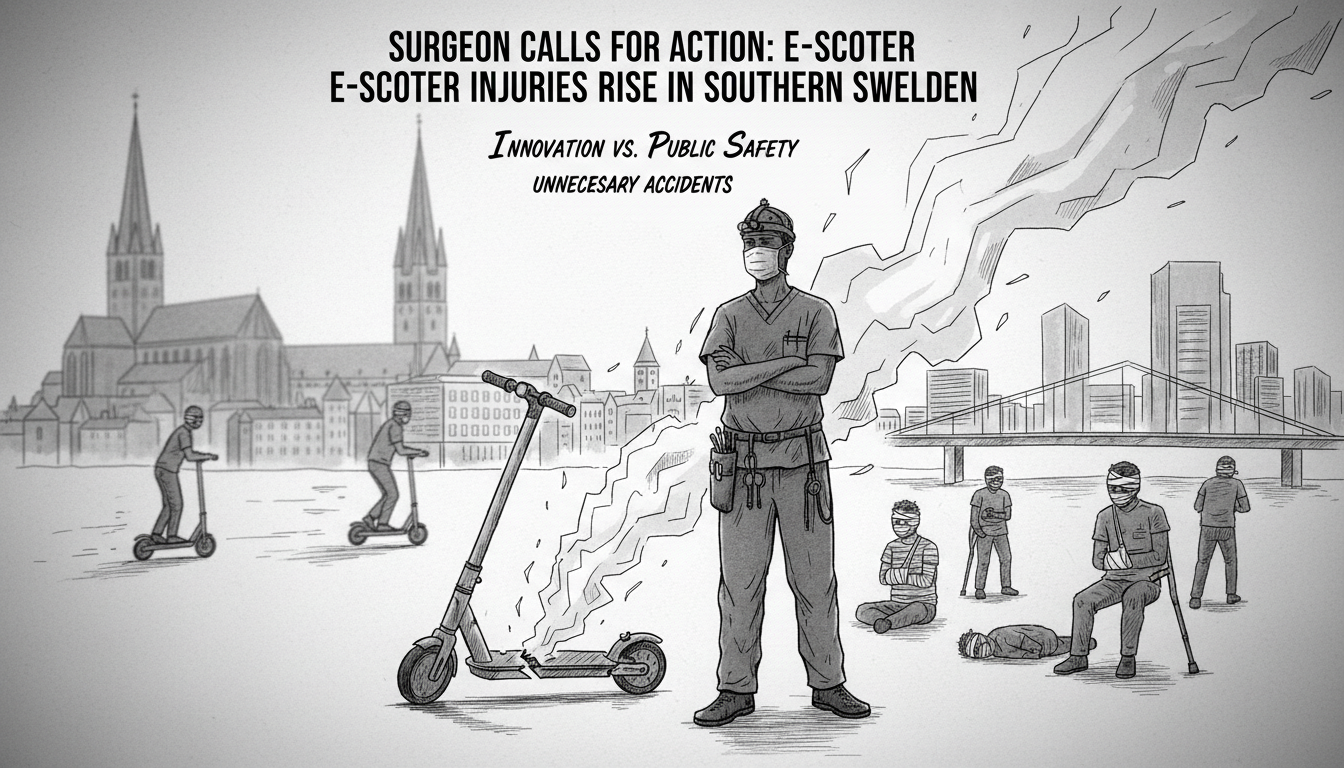
A leading surgeon in southern Sweden is sounding the alarm. He says preventable injuries from electric scooters are filling hospital beds. The number of patients seriously hurt in e-scooter accidents is climbing in the Skåne region. This trend worries medical professionals who see the aftermath.
Philipp Martin is an orthopedic surgeon at Lund University Hospital. He calls the situation frustrating. 'It is so unnecessary. These are truly injuries we can prevent,' Martin said in an interview. He believes simple measures could stop many accidents. His plea comes as cities like Malmö and Lund see more scooters on their bike paths and squares.
This is not just a traffic issue. It is a Swedish lifestyle and urban planning challenge. E-scooters exploded in popularity as a convenient last-mile solution. They fit the Swedish ethos of practicality and sustainable transport. Yet their integration into city life has been bumpy. Tourists and locals alike zip through Stockholm's Gamla Stan or along Malmö's canals. The relaxed rules around helmet use and parking are now under scrutiny.
Martin proposes three specific actions to reduce harm. He suggests stricter regulations on where people can ride. He advocates for better public education on safe riding practices. Finally, he points to potential technical improvements to the scooters themselves. These could include speed limiters in crowded areas or more stable designs.
The conversation touches on broader Swedish society trends. Sweden often embraces new technology with an initial period of light regulation. The goal is to encourage innovation. The government then adjusts rules based on real-world data and outcomes. The e-scooter debate follows this pattern. First came freedom and convenience. Now comes the call for safety and order, a classic Swedish balance.
For international readers and expats, this is a key part of understanding modern Sweden. The country is constantly negotiating between individual freedom and collective responsibility. An e-scooter is a simple device. But its story involves urban design, public health, and social trust. The outcome will shape how Swedish cities feel for years to come. Will the iconic squares remain peaceful, or become obstacle courses?
The next steps are unclear. Local politicians in Stockholm, Gothenburg, and Malmö are watching the injury statistics. They must weigh personal mobility against public safety. The surgeon's voice adds a powerful, human cost to the equation. His operating room sees the consequences of policy decisions made on the street. The hope is that his call leads to a smarter, safer model for micro-mobility. One that preserves the fun and function of scooters without the broken bones.