
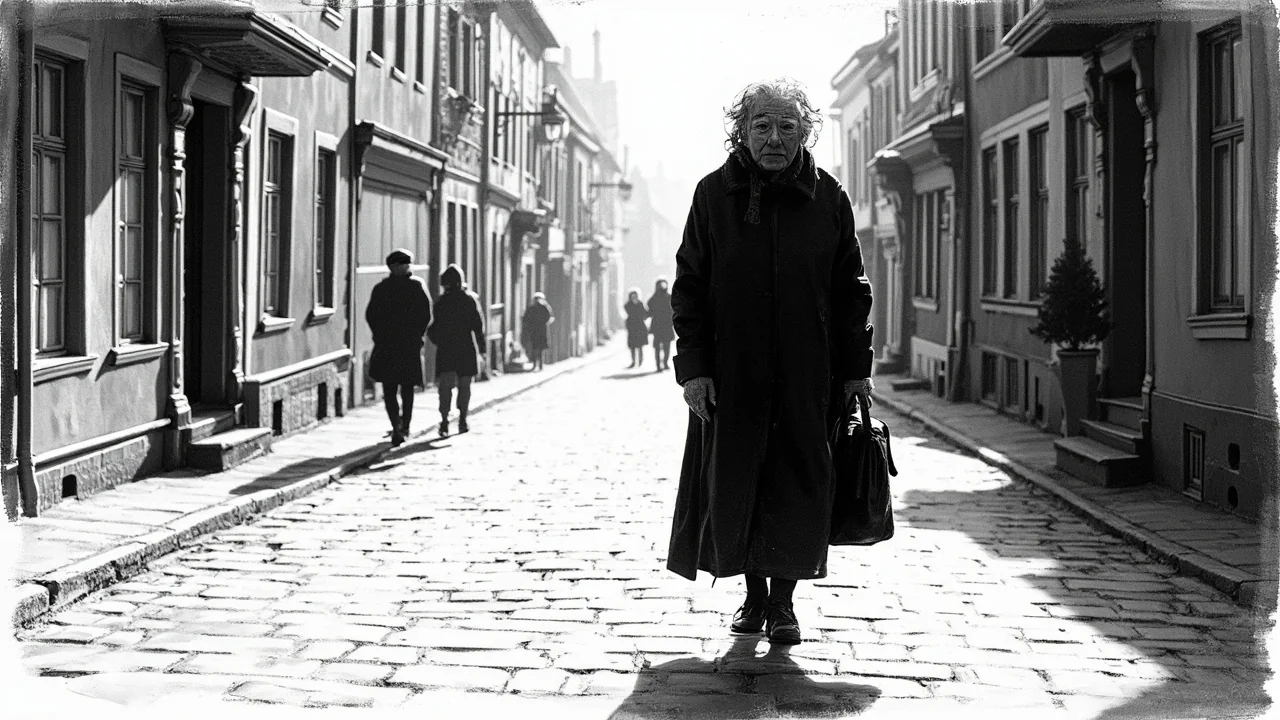
Sweden police are investigating a brutal home invasion and attempted rape in Huskvarna. An 85-year-old woman was attacked in her own home late Saturday night. One or more perpetrators forced their way in, stole valuables, and fled before a major police response began around 1 AM. No arrests have been made. This violent crime against a vulnerable senior has shaken the local community and sparked a wider conversation about safety in Swedish society.
A Night of Terror in a Quiet Community
Huskvarna, part of Jönköping municipality, is typically a quiet place. It's known for its history in manufacturing, not violent midnight crimes. The attack occurred in the woman's private residence, a space that should be a sanctuary. Forcing entry into an elderly person's home represents a profound violation. It crosses a basic social boundary respected even by many criminals. The addition of an attempted sexual assault makes the crime particularly heinous. Police have launched a major investigation but are urging public help. They ask anyone who saw or heard anything unusual in the Huskvarna area to contact them immediately.
This case touches a deep nerve in Swedish culture. The principle of trygghet – a sense of security and safety – is fundamental. It's woven into the social contract. People expect safety in their homes, especially in their later years. An attack like this doesn't just harm the victim. It erodes communal trust. Neighbors in typical Swedish residential areas, from förorter (suburbs) to smaller towns like Huskvarna, are now looking over their shoulders. The crime raises urgent questions. Who would target an 85-year-old woman? Was this a random act or targeted? The lack of immediate arrests amplifies the community's anxiety.
The Broader Context of Safety and Crime
While Sweden remains a very safe country by global standards, high-profile violent crimes generate intense debate. Discussions often focus on integration, policing, and sentencing. This incident will likely fuel those debates again. Statistics show reported crimes against the elderly, while relatively low, have a devastating impact. The fear they generate is disproportionate to their frequency. For an older person, recovering from the physical and psychological trauma of a home invasion is incredibly difficult. Their sense of independence can be shattered permanently.
Experts in victim support and gerontology often highlight this point. An attack on an older person is an attack on their autonomy. Many elderly Swedes value living independently in their own homes, a concept supported by the welfare state. A crime like this forces a terrible choice: stay in a home that now feels violated, or give up hard-won independence. The psychological scars from the violation and the attempted sexual assault will require long-term, specialized support. Local social services in Jönköping will be crucial in the victim's recovery.
Community Response and Cultural Reflections
The response in Huskvarna will be telling. Swedish communities often rally in the face of tragedy. There may be silent demonstrations, community meetings, or increased neighborhood watch activities. The local kommun (municipality) will likely review support for elderly residents living alone. This could include checking in on security measures or promoting social contact networks. There's a strong tradition of looking out for one's neighbors, known as grannsamverkan. This crime is a stark test of that spirit.
From a cultural perspective, such events challenge the Swedish self-image. The narrative of a peaceful, orderly society where everyone is cared for clashes with brutal reality. It prompts difficult conversations about vulnerability. Are the elderly becoming targets? What does it say about societal values? These questions will be discussed in dagens newspapers, on social media, and in fikarum (coffee rooms) across the country. The crime disrupts the normal rhythm of life, where news is often about politics or lagom lifestyle trends, not violence against seniors.
Looking Ahead: Justice and Healing
The immediate focus is on the police investigation. The phrase Polisen utreder (the police are investigating) is common, but the pressure for results is immense. Forensic evidence from the scene will be critical. So will any CCTV footage from the area. The stolen valuables might also provide a trail. Until an arrest is made, a cloud of fear will hang over the community, particularly for older residents. Every unexplained noise at night will now carry a new weight.
For the victim, the path is long. Beyond the police case, she will need a circle of support. This includes professional counselors from victim support organizations, possibly doctors, and certainly family and friends. The Swedish system of offertstöd (victim support) will be activated. Her recovery is the most important story, though it will happen away from the headlines. The community's ability to offer quiet, respectful support will be a measure of its strength.
This single crime in Huskvarna echoes beyond the town limits. It forces Sweden to confront uncomfortable truths about safety, age, and violence. It asks whether the social fabric that protects the vulnerable is fraying. As the police work the case, the nation watches and waits. It hopes for justice for an 85-year-old woman whose only mistake was being home at night. And it wonders, how do we prevent this from happening again? The answer will define the kind of society Sweden chooses to be.