
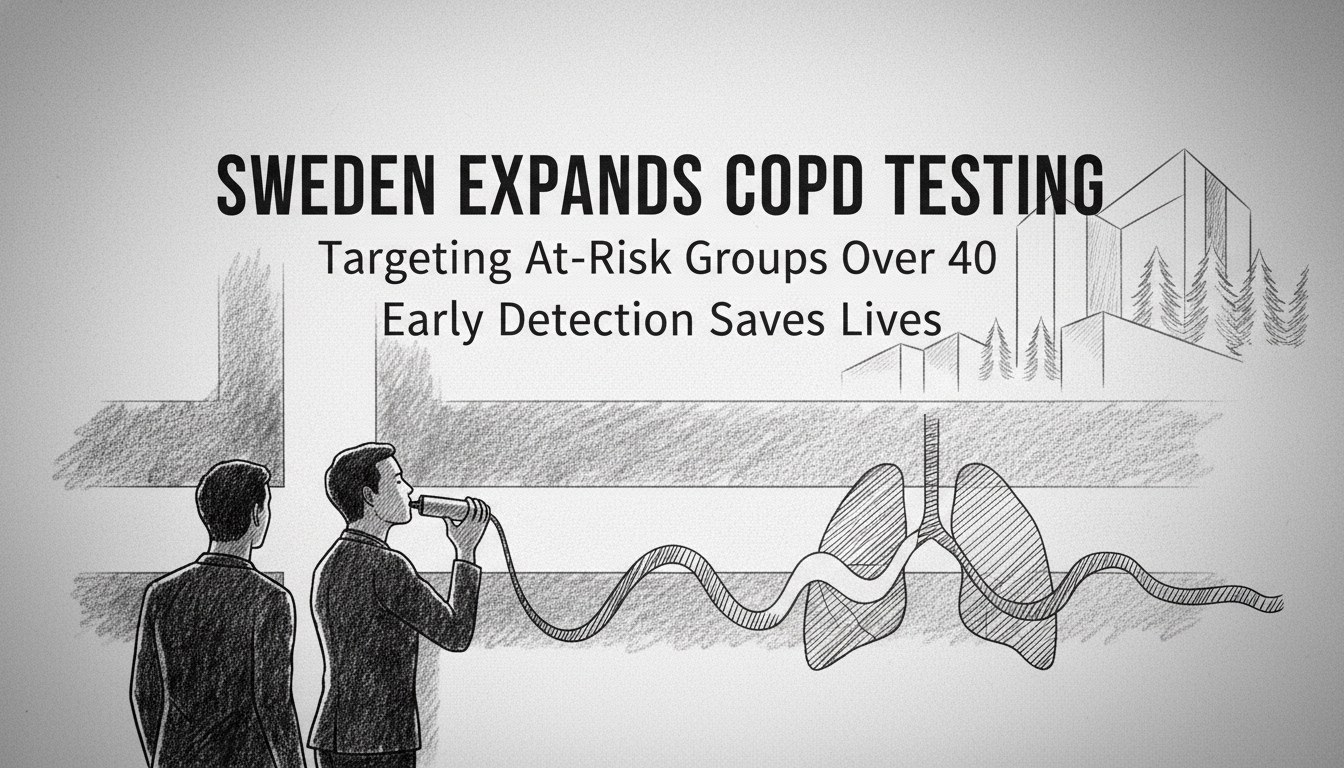
A Swedish health region is launching a major campaign to identify undiagnosed cases of chronic obstructive pulmonary disease. The initiative offers free lung capacity tests at local healthcare centers throughout the week.
Health officials estimate approximately 500,000 Swedes live with COPD, but many remain unaware of their condition. The testing program specifically targets adults aged 40 and older who have smoked at least one pack of cigarettes daily for ten years or more. These individuals can receive spirometry testing, which measures lung function.
COPD symptoms often develop gradually and initially resemble common cold symptoms or what smokers might dismiss as normal smoking-related coughing. Only after decades do more severe symptoms like fatigue and breathlessness during physical activity become noticeable.
Smoking represents the primary risk factor, with about 80 percent of COPD cases occurring among current or former smokers. However, prolonged exposure to smoky environments or occupational hazards like dust and certain chemicals can also cause the condition.
This testing expansion reflects Sweden's proactive approach to public health management. The country's regional healthcare system allows for targeted interventions based on local population needs. Sweden has historically maintained lower smoking rates than many European counterparts, yet COPD remains a substantial health burden due to aging populations and historical smoking patterns.
The campaign's timing aligns with growing concerns about respiratory health following recent global health challenges. Early detection of COPD can significantly improve quality of life and reduce healthcare costs long-term. Patients diagnosed early can access treatments that slow disease progression and manage symptoms effectively.
International readers should note that Sweden's healthcare system provides universal coverage, meaning these tests involve no out-of-pocket costs for residents. The country's emphasis on preventive care often leads to earlier disease detection compared to healthcare systems where cost concerns might deter testing.
For expatriates living in Sweden, this campaign demonstrates the healthcare system's focus on preventive measures. Foreign residents with relevant risk factors can access the same testing services through the public healthcare system.
The broader implication involves how Nordic countries approach chronic disease management through systematic screening rather than waiting for symptomatic presentation. This contrasts with many healthcare systems that primarily respond to existing health complaints rather than proactively identifying silent conditions.
What happens next depends on testing results. If the campaign identifies substantial numbers of undiagnosed cases, other Swedish regions might launch similar initiatives. Health authorities will also monitor whether early detection leads to better long-term outcomes for those identified through the screening program.