
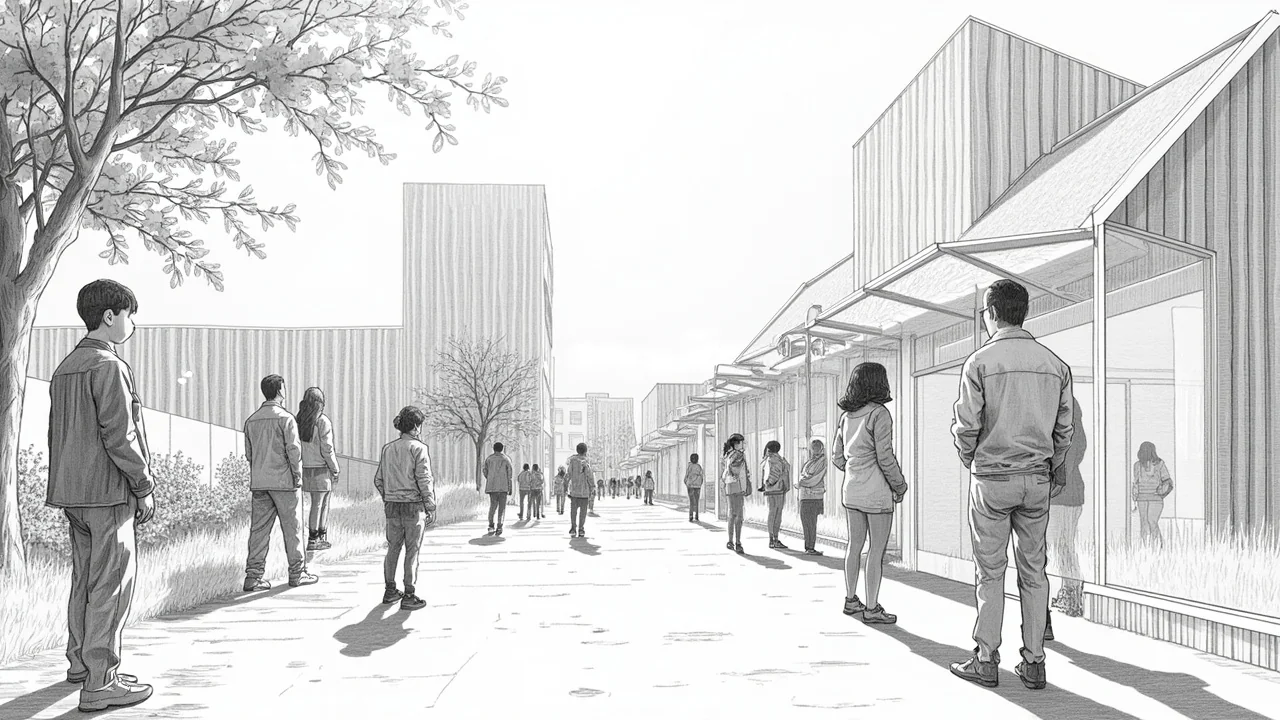
Sweden's new Framtidens hus in Tensta will feature eight specialized rooms, aiming to transform leisure for 16-19 year-olds after two centers closed in 2020. For 18-year-old Amina Hassan, the memory of her local youth center shutting down still stings. She spent afternoons there in Husby, but it vanished overnight due to safety concerns. Now, she hears whispers of a new place opening this year. Her eyes light up at the thought. 'We need somewhere to go that feels safe and ours,' she says, standing near Tensta's central square. This suburb northwest of Stockholm has waited years for a revival. The new hub promises just that.
From Closures to Community Hope
In late 2020, Stockholm's Järva district made a tough call. It permanently shut Ungdomens hus in Rinkeby and Reactor in Husby. Both were popular youth centers. Reports of insecurity and criminal elements had plagued them. Local authorities saw no other way. The decision left a void for hundreds of teens. Parents worried about idle time leading to trouble. Community leaders fretted over lost connections. Sweden's immigration-rich suburbs often face such challenges. Tensta, Rinkeby, and Husby are vibrant yet complex areas. They are home to diverse families from across the globe. Cultural integration here is a daily reality. This closure highlighted a broader societal trend. How does Sweden support its youth in multicultural neighborhoods? The answer now lies in a new model.
Inside the New Youth Concept
Framtidens hus, or 'Future House,' is not just another youth center. It is an activity-based concept focused on studies, work, and meaningful leisure. Currently, it operates from Rinkebystråket 91 in Rinkeby and Edvard Griegsgången 9 in Husby. The Tensta location will open later this year. I toured the Husby site last week. The space buzzes with energy. Teens cluster in a tech lounge, coding on laptops. In the music studio, a band practices Swedish pop covers. The air smells of fresh paint and possibility. Facilities include a rehearsal room, atelier, dance studio, podcast studio, study rooms, and a stage. 'We want to equip kids for life,' says project manager Lars Bengtsson. He has worked in suburban Stockholm for decades. 'This is about more than fun. It's about building futures.' The focus on studies and work is intentional. Sweden's job market demands skills. This hub offers tutoring and career workshops. It also hosts cultural events tied to local traditions. Think Midsummer parties or autumn film festivals.
Voices from Tensta and Beyond
Community reaction is cautiously optimistic. At a fika break in Tensta's café, locals share mixed feelings. 'We've seen promises before,' says Fatima Özkan, a mother of three. She immigrated from Turkey 20 years ago. 'But if this keeps kids off the streets, I'm for it.' Her son, Mehmet, 17, is more enthusiastic. He dreams of using the podcast studio. 'I want to tell stories about our neighborhood,' he says. Others point to the need for sustained support. Erik Johansson, a social worker in Järva, notes the importance of trust. 'Past centers failed partly due to lack of engagement. This time, the district is directly involved.' He hopes for long-term funding. Sweden's society trends show increasing investment in suburban projects. Immigration news often highlights integration efforts. This hub fits that narrative. It aims to blend Swedish lifestyle with diverse cultural expressions. For example, the dance studio might host both ballet and traditional Somali dances.
A Cultural Shift in Suburban Stockholm
Tensta's new hub reflects a broader change. Swedish culture news often spotlights urban innovations. But suburbs are crafting their own solutions. Tensta has a rich history. Built in the 1970s, it's known for its concrete architecture and green spaces. Today, it's a melting pot of languages and cuisines. The youth hub could become a cultural venue. Imagine poetry slams in the lecture hall or art exhibitions in the atelier. Stockholm events today increasingly include suburban offerings. This hub might host summer concerts or tech fairs. It's a chance to redefine the area's identity. 'We're not just fixing a problem,' says Lena Karlsson, a cultural planner. 'We're creating a destination.' She mentions how Swedish society trends value community-driven spaces. The hub allows teens to lead activities. They can propose events or start clubs. This empowers them. It also fosters a sense of ownership. That's key for sustainability.
Looking Ahead to Opening Day
The Tensta location is still under wraps. Officials say it will mirror the existing hubs. Expectations are high. Opening day might coincide with autumn festivities. Perhaps a celebration during the Tensta Festival, a local event showcasing music and food. The district plans to involve youth in the launch. 'They'll help design the program,' says Bengtsson. This approach signals a shift. From top-down decisions to collaborative planning. The ultimate goal is clear. Reduce insecurity by providing positive alternatives. Support educational and career paths. Enrich leisure with cultural depth. Sweden's immigration news often focuses on challenges. Here's a story of potential. As Amina puts it, 'Maybe this is our turn to shine.' The success of Framtidens hus will depend on community uptake. Will teens flock to it? Early signs in Rinkeby and Husby are promising. Attendance has grown monthly. The blend of study support and creative outlets seems to work.
What This Means for Swedish Youth Policy
This initiative could influence national policy. Other Swedish cities are watching. Malmö and Gothenburg have similar suburban dynamics. They might replicate the model. The focus on ages 16-19 is strategic. These are critical years for transition to adulthood. Providing structure and resources can change trajectories. Swedish lifestyle often emphasizes balance between work and leisure. This hub embodies that. It's not just about keeping busy. It's about building skills and connections. Analysis suggests that such investments pay off. They can reduce social costs in the long run. But they require commitment. Funding must be secure. Staff need training. Community trust must be earned. As Sweden grapples with integration and youth engagement, Tensta's experiment offers hope. It's a fresh start after past setbacks. The opening later this year will be a test. Can a house with eight rooms become a home for future dreams? Only time will tell. For now, the buzz in Tensta is palpable. And that's a good sign.