
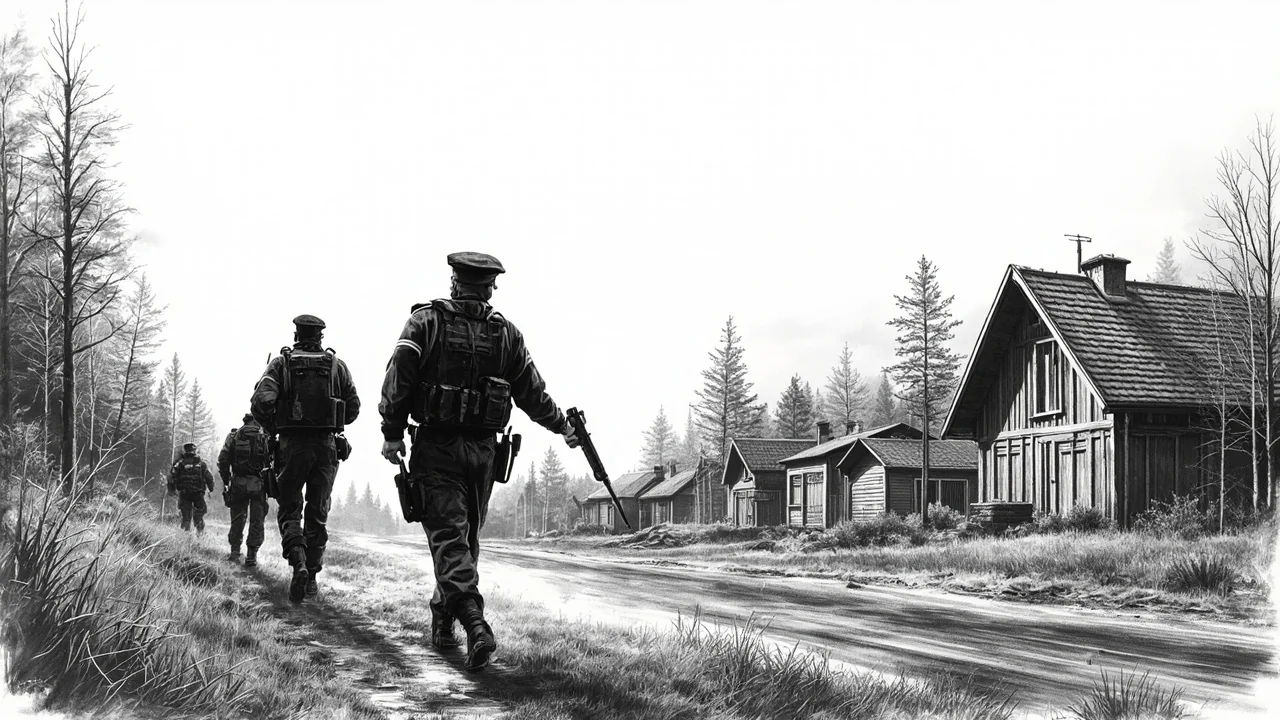
Sweden police evacuated dozens of residents in Osby, Skåne, on Sunday following a shooting incident from a private villa. A man fired at least one shot from a property in the Högstagården area, triggering a major police response and a hours-long standoff that left a small community in lockdown.
The call came in at 12:30 PM on an otherwise quiet Sunday. Police immediately urged residents in the neighborhood to stay indoors. They were told to avoid windows and doors. "We have no information that anyone is injured," said police press spokesperson Evelina Olsson in a statement that afternoon. "It remains unclear whether the man is alone in the villa or if there are more people inside."
By 1:30 PM, police had still not made contact with the man inside. Officers began going door-to-door. They evacuated approximately 30 homes in the immediate vicinity. The operation was described as either an evacuation or an 'inrymning'—a Swedish term for moving people to a safer location within the area.
A Community on Edge
Osby is a municipality of around 13,000 people, known for its lakes and forests. It is not a place accustomed to such dramatic police operations. Events like this send shockwaves through tight-knit communities. For hours, the normal Sunday calm was replaced by the presence of armed police and the anxiety of not knowing what was happening next.
Neighbors watched from a distance, their routines upended. This kind of incident challenges the perceived safety of Swedish residential areas. It forces a conversation about gun violence, even in smaller towns. Sweden has grappled with rising gun crime in recent years, though it often clusters in major urban areas. An incident in a place like Osby feels particularly jarring.
The Police Response Protocol
The police response followed a well-established protocol for barricade and hostage situations. Securing the perimeter is the first priority. Evacuating nearby buildings is a standard preventative measure. It protects the public from potential stray gunfire or an escalation.
"We have patrols who will contact those most directly affected and give them instructions on how to act," Olsson explained during the event. The decision between a full evacuation and sheltered in-place orders depends on the specific threat assessment. Officers on the scene must make rapid judgments about the gunman's potential reach and intentions.
Specialized units, likely from the regional Piketen (task force), were deployed. Their role is to contain the situation and negotiate a peaceful resolution. Every minute of a standoff increases tension. It also allows time for intelligence gathering. Police work to understand who is inside the property and what might have precipitated the crisis.
The Bigger Picture of Gun Violence
While details of this specific case are still emerging, it occurs against a backdrop of national concern. Swedish authorities have been battling an increase in organized crime-related shootings. These often involve gang conflicts. However, isolated incidents involving individuals in personal crises also occur. They present a different set of challenges for law enforcement.
Gun ownership in Sweden is relatively high for hunting and sport. But legal firearms are rarely used in crimes. Illegal weapons, often smuggled from abroad, fuel the violence. Each shooting incident, regardless of motive, puts pressure on police resources. It also erodes public sense of security. Communities are left wondering if and when violence might appear on their doorstep.
Life During a Lockdown
For the evacuated residents of Högstagården, Sunday became a day of disruption and fear. Being told to suddenly leave your home is a profound violation of domestic safety. Some may have gone to stay with family or friends. Others might have been directed to a temporary community center or similar shelter by authorities.
The psychological impact of such events is significant. It lingers long after the police tape is taken down. Children, in particular, can be deeply affected by the sight of armed officers and the stress felt by adults around them. The community will need time to process what happened. Trust in the immediate environment is shaken.
Local officials often mobilize social services in the aftermath. They provide support to those who were evacuated or traumatized by the event. This part of the response is crucial for long-term recovery. It helps a community move from fear back toward normalcy.
What Happens Next?
The immediate goal for police was to resolve the standoff without injury. After that, a meticulous investigation begins. Forensics teams would examine the villa for evidence. They will work to establish exactly how many shots were fired, from what type of weapon, and in what direction.
The motives of the individual involved will be central to the case. Was this a domestic incident? A mental health crisis? Or something connected to broader criminal activity? The answers will determine the legal path forward and help assess any ongoing risk.
For the town of Osby, the incident will likely dominate local conversation for weeks. It may prompt questions about police visibility and community support networks. Smaller municipalities sometimes have fewer round-the-clock mental health resources. This can be a factor in crisis situations.
A Search for Normalcy
As the situation eventually de-escalated, residents would have been allowed to return home. They would come back to a neighborhood that looks the same but feels different. The sense of quiet will be tinged with memory. This is the hidden cost of such violence—the theft of peace of mind.
Swedish society continues to search for solutions to prevent gun violence. This requires efforts on multiple fronts: intercepting illegal weapons, supporting at-risk youth, and strengthening mental health services. Each incident, whether in Malmö or a smaller town like Osby, adds urgency to this work.
The Osby shooting is a stark reminder. No community is entirely insulated. The response of police, the resilience of residents, and the support that follows will define how this chapter ends for Högstagården. The hope is always for a resolution that safeguards life. And for a return to the quiet Swedish Sundays this town is known for.