
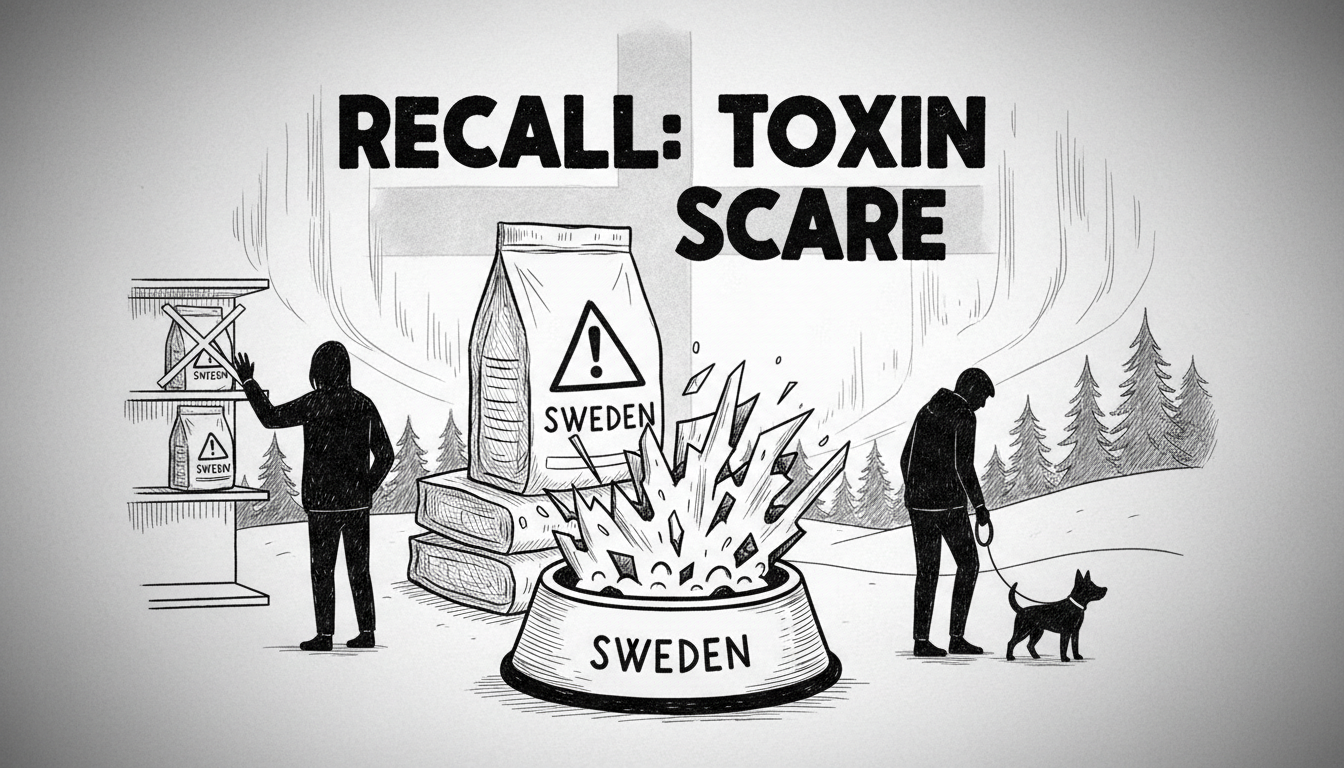
Sweden's pet food market faces a significant safety alert as manufacturer Petgood halts sales of its 'Complete Adult Dog' product. The decision follows test results revealing elevated levels of naturally occurring potato toxins in a specific batch. This incident highlights the complex interplay between natural ingredients, industrial processing, and regulatory oversight in the animal feed sector.
Petgood confirmed the sales stoppage in a statement to consumer media. The affected batch carries a best-before date of July 2026. Company officials stated their own internal measurements differed sharply from the external findings. An internal investigation is now underway, with new tests delegated to an independent laboratory. As a precautionary measure, distribution of the identified product lot has been suspended immediately.
A Precautionary Halt and Scientific Discrepancy
The core of the issue lies in glycoalkaloids, toxic compounds naturally present in plants of the nightshade family, including potatoes. While trace amounts are common, elevated concentrations pose health risks. Petgood's decision represents a classic application of the precautionary principle, a cornerstone of EU and Swedish consumer safety policy. The company prioritizes potential animal welfare over commercial continuity pending conclusive evidence.
"Our initial data does not align with these reported results," a Petgood spokesperson said. "However, consumer safety is our absolute priority. We have therefore initiated a full review and commissioned independent analysis." This scientific discrepancy between internal quality control and external testing will form the investigation's central focus. The outcome will influence both the product's future and the company's testing protocols.
Regulatory Landscape and Industry Accountability
Pet food production in Sweden operates under strict EU regulations governing animal feed. These rules cover permissible ingredients, hygiene standards, labeling, and traceability. The Swedish Board of Agriculture and the National Food Agency share oversight responsibilities. While not classified as human food, pet food safety is treated with high seriousness to protect animal health and prevent contaminants from entering broader ecosystems.
Dr. Lena Falk, a veterinary toxicologist consulted for analysis, explained the specific risk. "Glycoalkaloids like solanine and chaconine can cause gastrointestinal and neurological distress in dogs," Falk noted. "Levels vary greatly based on potato cultivar, growing conditions, and storage. Industrial processing should mitigate this, which makes this case particularly noteworthy for quality control review."
The Broader Implications for Natural Ingredient Trends
This incident arrives amid a growing market trend toward pet foods containing human-grade, natural ingredients like sweet potato and regular potato. These are marketed as wholesome alternatives to traditional cereals. The Petgood case serves as a critical reminder that 'natural' does not automatically equate to 'risk-free.' It underscores the necessity for robust, continuous safety monitoring even for ostensibly benign components.
"Every raw material carries intrinsic risks," Falk added. "Modern pet food formulation relies on consistent supply chains and standardized ingredients. A deviation in the raw potato material, perhaps from a specific supplier or harvest, could explain the anomaly. The investigation must trace the ingredient back to its source." This points to potential vulnerabilities in the complex global supply chains for pet food constituents.
Consumer Response and Market Trust
For Swedish pet owners, the recall triggers immediate concerns about their animals' health and the reliability of premium brands. Petgood, which positions itself on a platform of high-quality, sustainable nutrition, now faces a significant trust challenge. The company's response speed and transparency will be scrutinized by consumers and retailers alike. Effective communication to customers who purchased the affected batch is now a critical operational task.
The Swedish consumer protection landscape empowers organizations to conduct independent product tests, as happened here. These findings often prompt faster action than routine regulatory audits, creating a vital secondary safety net. This public-private vigilance system is a defining feature of Sweden's high consumer standards, applying equal pressure to both multinational corporations and niche market players like Petgood.
Investigation Pathways and Potential Outcomes
The independent laboratory tests commissioned by Petgood will seek to verify the initial toxin findings. Analysts will examine multiple samples from the same production lot. Scientists will also review the manufacturing process to identify any point where toxin levels could have been concentrated rather than reduced. The company's own quality assurance data from the production date will undergo forensic examination.
Possible outcomes range from a confirmed batch-specific contamination to a methodological dispute between testing labs. A confirmed fault could lead to a full public recall and destruction of the inventory. It might also necessitate a review of the supplier contract for potato ingredients. If the independent lab refutes the high toxin levels, Petgood will likely seek to reinstate the product, though reputational damage may linger.
Analysis: A Test Case for Modern Pet Food Safety
This event is more than a single product recall. It represents a test case for the safety frameworks surrounding the modern, natural-ingredient pet food industry. It questions whether existing regulations and testing frequencies are adequate for evolving product formulations. The incident also highlights the tension between rapid, consumer-led investigative journalism and corporate-controlled quality assurance timelines.
From a policy perspective, no immediate intervention from the Swedish government or the Riksdag is expected. The existing regulatory framework is designed to handle such incidents through mandated corporate action. However, a pattern of similar issues across the industry could trigger legislative review. The focus in Stockholm remains on ensuring the self-correcting mechanisms of the market and regulation function as intended.
Looking Ahead: Transparency and Restoring Confidence
The coming weeks will be decisive for Petgood. The company must balance a thorough investigation with clear, ongoing communication. Pet owners will demand to know what specific risks, if any, were present and whether any animals exhibited symptoms. The brand's commitment to transparency will directly impact its ability to recover market position. Competitors will also be reviewing their own potato-based product lines as a direct result of this alert.
Ultimately, this precautionary sales halt reinforces a key principle: safety in the pet food chain is non-negotiable. It demonstrates that Sweden's ecosystem of manufacturers, testers, and regulators can generate swift action when potential hazards are identified. The final measure of success will be a resolved incident that strengthens systemic safeguards for all Swedish pets, ensuring that the pursuit of natural nutrition does not compromise fundamental animal welfare standards. The entire industry will be watching Petgood's next steps closely.