
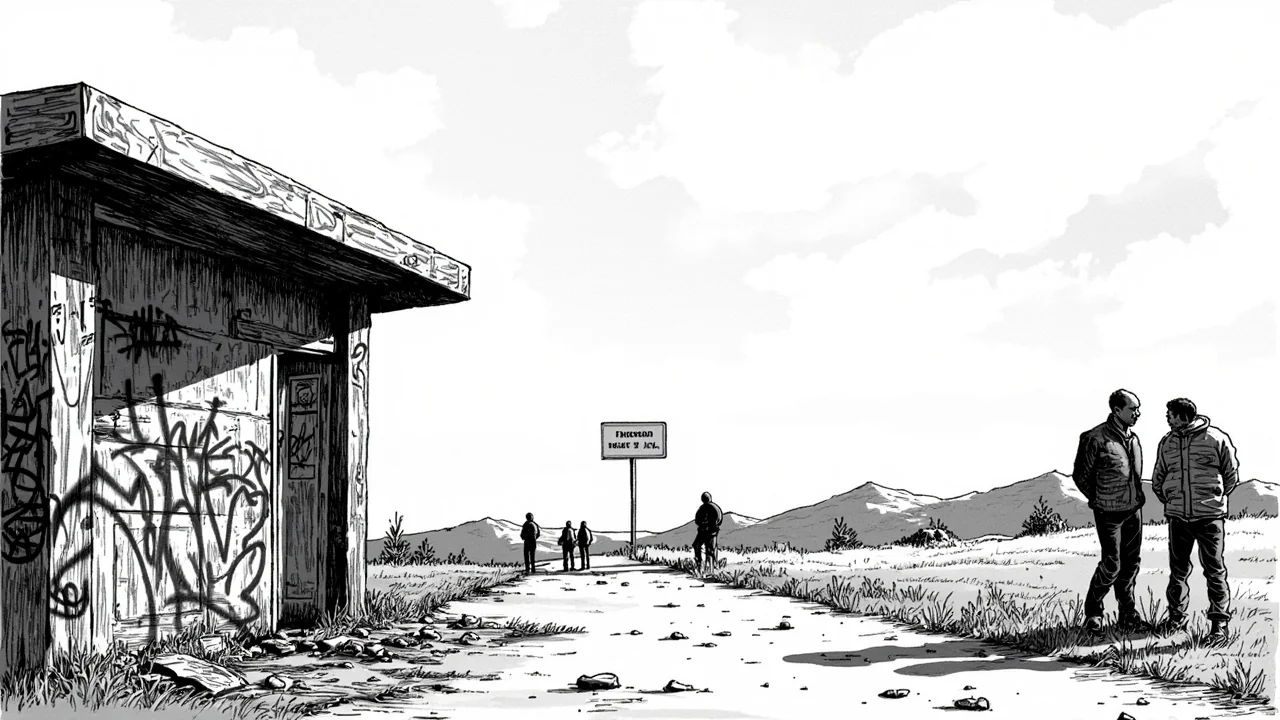
Sweden's E10 highway travelers now face a 74-kilometer drive to the nearest rest stop after vandalism destroyed toilets at a popular Kiruna facility. The incident has forced the closure of a key rastplats, or rest area, cutting off a vital pit stop for both locals and tourists exploring the Arctic north. For many, this act of senseless destruction highlights broader tensions in maintaining public infrastructure in remote regions.
Jan Eliasson, project leader for Maintenance at the Swedish Transport Administration (Trafikverket), confirmed the closure in a statement. “It is incredibly sad and unnecessary that the rest stop has been vandalized,” he said. “We see no other alternative than to close it completely until further notice, as the toilets are unusable and the rest stop therefore does not fulfill its function.” The rest area is located near the E10 highway below the Luossavaara ski slope, a spot beloved by Kiruna residents and visitors alike.
A Crucial Haven on the E10 Corridor
This rest stop was more than just a place to use the bathroom. In the vast, sparsely populated landscapes of Swedish Lapland, rastplatser serve as essential oases. They offer a moment of respite during long drives through breathtaking but demanding terrain. The closed facility provided accessibility features for people with functional variations, aligning with Sweden's strong ethos of public inclusivity. Its loss is felt acutely, with the next available stops being 74 km north to Pessisjåkka, 65 km south to Lappesuando, or 63 km southeast to Suptangen. In a country where road trips are a summer ritual, such distances pose real challenges for families, elderly drivers, and commercial transport.
The Human Cost of a Closed Door
Imagine a family driving from Stockholm to see the midnight sun in Abisko. With young children in the back, a planned stop at this Kiruna rest area suddenly vanishes from the itinerary. Truck drivers hauling goods along the E10, a major artery for Arctic logistics, must now adjust their schedules. For Kirunabor, as locals are called, this spot was a casual meeting point or a starting place for winter skiing. “The rest stop aims to give travelers the opportunity to rest on their trip, but we have noticed that it is also an appreciated feature among Kiruna residents and tourists in the area,” Eliasson noted. The vandalism, therefore, strikes at community cohesion as much as infrastructure.
Understanding Swedish Rastplats Culture
To grasp the impact, one must understand the role of these facilities in Swedish society. They are meticulously maintained, often featuring picnic tables, waste disposal, and historical markers. They reflect the Swedish principle of allemansrätten, or the right of public access, which emphasizes shared responsibility for nature. A vandalized toilet isn't just a repair bill; it's a breach of the social contract. In cities like Stockholm, events often focus on urban culture, but here in the north, the simple reliability of a clean rest stop is a cornerstone of daily life and tourism. This incident contrasts sharply with the typical Swedish narrative of order and functionality.
Voices from the North: Frustration and Resilience
While official statements outline the practical problems, the human reaction is one of frustration. Anna Lundström, a tour guide based in Kiruna, shared her perspective. “It’s a shame. We direct visitors here all the time for a safe break with a view. Now, we have to warn them about the long stretch ahead without services.” This sentiment echoes across online community forums where residents lament the pointless destruction. There’s a palpable sense that such acts undermine the hard work put into making remote regions accessible and welcoming. It’s a blow to local pride, especially in a town like Kiruna, which is undergoing a massive relocation due to mining subsidence and strives to present itself as a resilient community.
The Broader Trend: Vandalism in Public Spaces
This is not an isolated event. Across Sweden, reports of vandalism in public spaces sporadically surface, often linked to youth activity or neglect. However, in remote areas, the consequences are magnified. Repair crews must travel long distances, and closures last longer. The Trafikverket emphasizes that their rest stops have varying standards, but all are accessibility-adapted. This vandalism directly impacts those who rely on these features most. Societal trends often spotlight urban issues, but this story reminds us that infrastructure challenges in the north are equally critical to Swedish identity and functionality.
What Happens Next? No Easy Answers
Trafikverket has filed a police report, but there is currently no prognosis for when the rest stop might reopen. The administration must assess the damage, order repairs, and potentially consider security measures, all of which take time and resources in a region where the climate and logistics complicate everything. Eliasson’s statement underscores the dilemma: without usable toilets, the site cannot operate. For now, travelers must plan meticulously, packing extra supplies and timing their trips around the distant alternatives. This situation may prompt a broader conversation about investing in more durable, vandal-resistant designs for northern facilities.
A Final Thought on Shared Space
As the midnight sun casts long shadows over the Luossavaara slope, the closed rest stop stands as a quiet testament to a community's inconvenience. In Sweden, where society highly values trust and collective well-being, such episodes of destruction feel particularly jarring. They challenge the notion that public goods are respected by all. For travelers on the E10, the 74-kilometer gap is more than a distance; it’s a reminder of how fragile our shared infrastructures can be. Will this incident foster greater community vigilance and care for public spaces? Only time will tell, but for now, the path north just got a little longer and more arduous.