
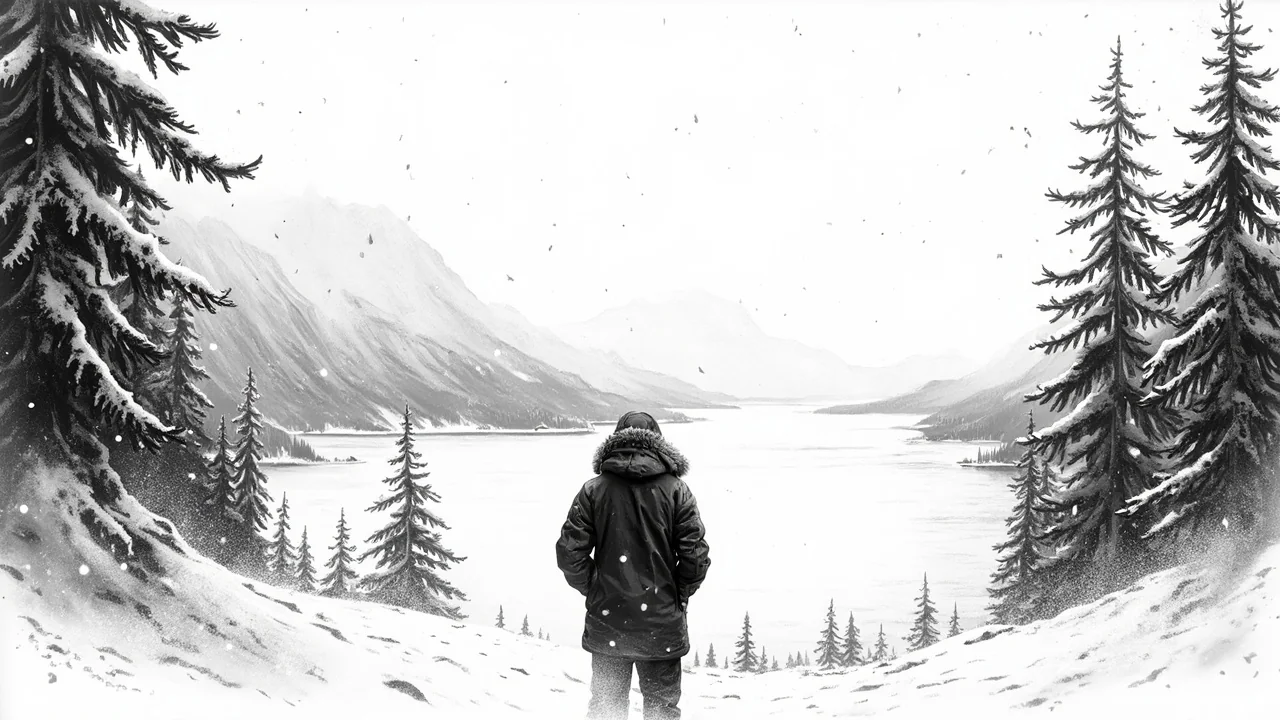
Sweden's winter of 2026 has delivered historic snowfall levels across its northern territories, testing municipal services and national infrastructure. Data compiled from meteorological stations reveals accumulations exceeding 150 centimeters in parts of Norrbotten and Västerbotten counties. The Swedish Meteorological and Hydrological Institute (SMHI) has maintained multiple orange and yellow warnings for heavy snow and difficult driving conditions throughout the first week of January. This persistent weather pattern has shifted from a seasonal inconvenience to a significant administrative and logistical challenge for local and national authorities.
A Winter of Exceptional Intensity
The current snow season began with notable intensity in late November 2025. Unlike typical winters where snowfall is interspersed with milder periods, this season has seen consistent, heavy precipitation in the form of snow across the northern two-thirds of the country. Kiruna, Sweden's northernmost city, has recorded a snow depth of 162 centimeters, which is 45% above the 30-year average for this date. In coastal areas like Umeå, where maritime influences often moderate snowfall, depths of 98 centimeters have been measured, paralyzing parts of the city's transport network. The sheer volume and consistency of the snowfall have prevented normal melt cycles, leading to rapid accumulation.
This situation places immense strain on municipal snow-clearing budgets and manpower. "We have deployed all available resources, including contractors, and are operating around the clock," said a spokesperson for the Luleå Municipality's technical services department. The Swedish Transport Administration has reported that national highway maintenance budgets for the northern regions are being exhausted at twice the projected rate. This has triggered internal discussions within the Swedish government about potential supplementary funding for affected counties.
The Riksdag's Role in Crisis Preparedness
The scale of this winter event brings national policy into sharp focus. Sweden's crisis preparedness framework, debated and funded by the Riksdag, delegates primary responsibility for snow clearance to municipalities. However, extreme events that disrupt national infrastructure or threaten supply chains can activate state-level support mechanisms. The Swedish Civil Contingencies Agency (MSB) is currently monitoring the situation but has not yet declared a state of heightened alert. This balance between local autonomy and national support is a recurring theme in Swedish public administration, often tested by severe weather.
Analysts point to the 2022 Riksdag decision to bolster climate adaptation funding as a critical factor in the current response. That legislative package, championed by the former Minister for Climate and the Environment, earmarked funds for municipalities to upgrade heavy-duty equipment. "The investments made after the severe winters earlier this decade are being tested now," noted Lars Fahlén, a professor of public policy at Stockholm University. "The question for the Riksdag will be whether the current framework is sufficient or if more centralized, climate-contingent emergency funds are needed." The performance of local services under this duress will likely inform future government policy on climate resilience.
Economic and Social Ripple Effects
The economic impact extends beyond municipal budgets. Retail supply chains are experiencing delays, with some grocery stores in isolated rural areas reporting sporadic shortages of fresh produce. The construction industry, a significant economic driver in the north, has faced widespread project stoppages. School closures have been frequent, affecting thousands of families and forcing parents to take unexpected leave from work. The Swedish Public Employment Service has noted a slight, temporary increase in reported absenteeism linked to transportation difficulties in the most affected regions.
Socially, the prolonged and intense winter conditions are having a documented effect on public well-being. Healthcare providers in regions like Jämtland Härjedalen report increased visits related to seasonal affective disorder and injuries from slips and falls. At the same time, community solidarity initiatives have sprung up, with volunteers checking on elderly neighbors and assisting with private snow removal. This duality—strain and resilience—characterizes the Swedish response to natural challenges.
Infrastructure and Transportation Under Pressure
Sweden's national rail operator, SJ, has cancelled or delayed numerous services on the northern mainlines, particularly the Malmbanan iron ore line and the coastal route north of Gävle. These disruptions have logistical consequences for the mining and forestry industries. Air travel has been heavily impacted, with airports in Kiruna, Luleå, and Umeå experiencing repeated closures for runway clearing, causing a cascade of delays across the national network. The Swedish Transport Administration's winter readiness plans, which include strategic stockpiles of road salt and designated snow-dumping sites, are being utilized at maximum capacity.
The government's infrastructure priorities, often set in the annual budget bill passed by the Riksdag, emphasize robust all-weather connectivity. The current crisis provides a real-time audit of those policies. Critics argue that rail and road maintenance in the north has suffered from chronic underinvestment compared to the more populous south. Proponents of the current government policy point to the fact that the system, while strained, has not collapsed, suggesting the planning is adequate. This debate will undoubtedly resurface in future parliamentary discussions about the national transport plan.
Scientific Context and Climate Considerations
Meteorologists are cautious about directly linking a single severe winter to long-term climate change. However, they note that a warming Arctic can contribute to more volatile and extreme winter weather patterns in Scandinavia, including the potential for increased precipitation. SMHI's long-term climate scenarios project wetter winters for Sweden, with a higher proportion of that precipitation falling as rain in the south but potentially as snow in the north during specific atmospheric conditions. This winter's pattern aligns with research on more persistent, blocking high-pressure systems that can channel cold, moist air into the region for extended periods.
The data from this winter will be integrated into SMHI's models, which in turn inform the Swedish government's environmental and civil contingency planning. The Minister for Climate and the Enterprise has previously stated that adapting to climate variability is as important as mitigating emissions. Events like the winter of 2026 provide concrete data points for that adaptation work, influencing everything from building codes and energy grid resilience to the specifications for future public procurement of snow-clearing vehicles.
Looking Ahead: Policy and Preparedness
The immediate forecast suggests more snow for northern Sweden, with no significant thaw expected for at least ten days. This means the challenges for municipalities and citizens will continue. The true test of Stockholm's political and bureaucratic response will come in the spring, during the evaluation phase. The Swedish National Audit Office often reviews the handling of extraordinary events to assess value for money and effectiveness. Their findings, presented to the Riksdag, can drive legislative change.
Furthermore, the experience of this winter will shape party platforms and political debates leading into the next election cycle. Voters in affected regions will judge their representatives on the effectiveness of the response. The interplay between local county administrations and the national government based in Rosenbad will be scrutinized. Ultimately, Sweden's renowned societal cohesion and systematic approach to problem-solving are being tested by a relentless natural force. The depth of the snow is measurable; the depth of the nation's preparedness and resilience is what is now being revealed.