
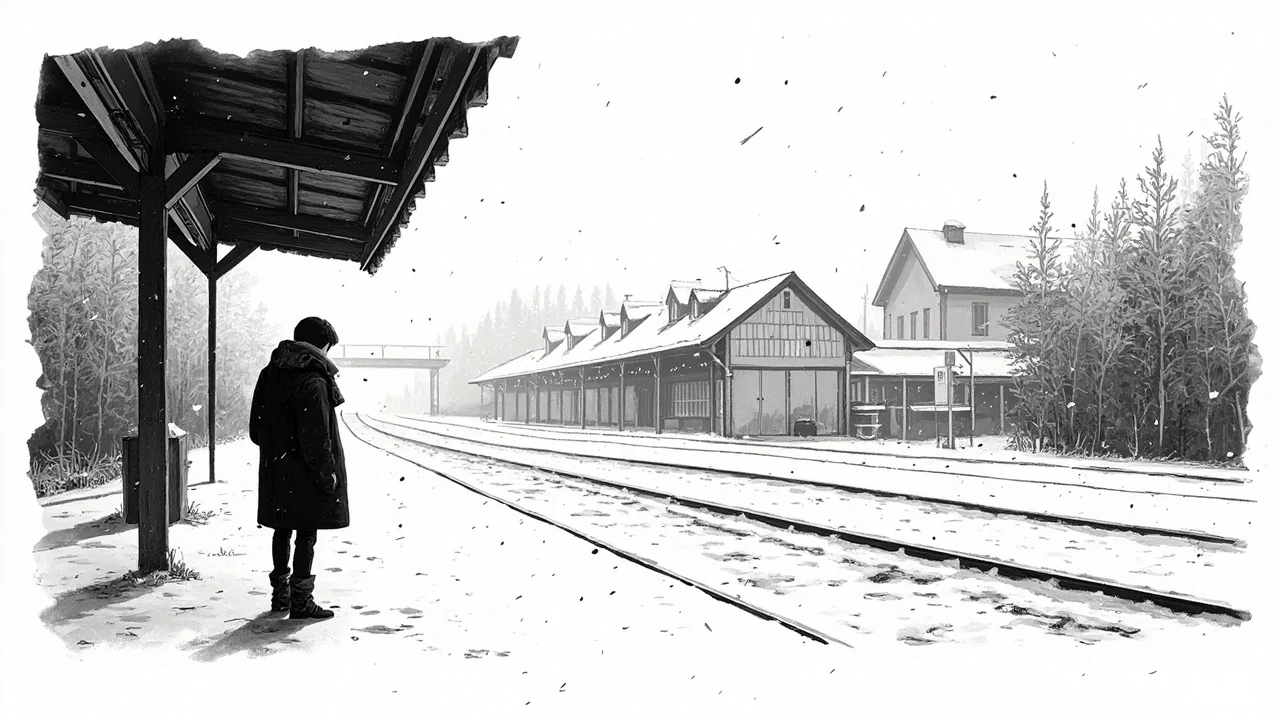
Sweden train cancellations have left Greta Andersson stranded in Umeå for eleven days. She missed work and classes in Gothenburg. Her story highlights a winter travel crisis gripping the nation.
Greta, a 24-year-old student, planned to return home on New Year's Day. She celebrated Christmas and New Year in Umeå with family. Three canceled trains later, she remains stuck in the northern city. 'It's lucky I could stay with my mom,' Greta says. Her voice carries the fatigue of unexpected limbo.
She studies and works part-time in Borås and Gothenburg. The delay has cost her four work shifts. Financial strain adds to her frustration. Each rebooking attempt hit full trains, a common issue during peak disruptions. 'It's first come, first served,' she explains. 'I booked the first available trains, so I'm leaving two days later than planned.'
A System Failure in the Snow
Johannes Cleris, a communicator for state railway SJ, calls Greta's case unfortunate. 'She shouldn't have waited this long,' he says. 'Had she just called or chatted with our customer service, we'd have fixed it long ago.' His statement reveals a gap between digital systems and human assistance.
Greta's rebookings don't show as connected in SJ's system. Each change creates a new reservation. This technical glitch leaves customers like her navigating blindly. SJ now urges stranded travelers to contact customer service directly. They offer compensation up to 3,000 kronor for significant delays. Yet, for Greta, the damage is done.
Winter's Wrath on Swedish Rails
Sweden's winter beauty comes with harsh challenges. Weeks of snowstorms and extreme cold have paralyzed rail networks. This isn't isolated to Umeå. Lines from Stockholm to Malmö have faced similar issues. The Swedish Transport Administration often cites 'extreme weather' as the cause.
In Umeå, temperatures can drop below -20°C. Ice coats tracks, and snow drifts block routes. Local authorities work tirelessly to clear them. But resilience has limits. Sweden's infrastructure, while modern, struggles with climate volatility. This winter has been particularly severe across the Nordic region.
Cultural Trust Meets Reality
Swedes pride themselves on efficiency and reliability. Public transport is a cornerstone of daily life. In cities like Stockholm, the Pendeltåg (commuter train) is a lifeline. Disruptions shake this cultural trust. 'We expect things to work,' says Lars Bengtsson, a transport analyst I spoke with. 'Winter tests that expectation every year.'
Fika breaks and punctuality are cultural hallmarks. Greta's ordeal contrasts sharply with these ideals. She represents thousands affected this season. In neighborhoods like Vasastan in Stockholm or Linnéstaden in Gothenburg, commuters share similar tales. Social media buzzes with complaints under hashtags like #tågkaos (train chaos).
The Human Cost of Disruption
Beyond missed work, there's emotional toll. Greta's studies in Borås suffer. She worries about catching up on lectures. Her part-time job in Gothenburg's retail sector needs her. This isn't just about travel. It's about life momentum halted.
Families across Sweden face similar plights. Elderly travelers miss medical appointments. Tourists cancel plans to visit the Ice Hotel in Kiruna or the Liseberg amusement park in Gothenburg. The economic ripple effect is significant. Local businesses in transit hubs feel the pinch.
Navigating the Bureaucratic Maze
SJ's advice to contact customer service seems straightforward. But during peak disruptions, phone lines jam. Chat bots overflow. Greta's experience shows the system's flaws. 'I thought rebooking online was the way,' she admits. 'Now I know better.'
Experts suggest proactive measures. Book flexible tickets in winter. Monitor weather forecasts closely. Have backup plans, like overnight stays with friends. Sweden's 'Allemansrätten' (right to roam) offers freedom, but urban travel relies on rigid schedules. This tension defines modern Swedish life.
Broader Implications for Swedish Society
This crisis sparks debates about infrastructure investment. Sweden aims for fossil-free transport by 2045. Railways are key. Yet, winter resilience needs more focus. Climate change may bring harsher winters, paradoxically, despite global warming. Preparedness is crucial.
Comparisons with neighbors like Norway arise. Norway's railways also face snow, but they invest heavily in winter tech. Sweden could learn from this. Cultural events like the Umeå Winter Festival or Stockholm's Light Festival depend on reliable transport. Disruptions threaten these community gatherings.
A Personal Reflection from Stockholm
As a society reporter, I see these stories often. From my base in Stockholm's Södermalm district, I hear echoes of Greta's plight. Friends complain of canceled trains to Uppsala or delayed commutes to Solna. Sweden's efficiency narrative cracks under winter pressure.
Greta hopes her latest rebooking succeeds. She dreams of her own apartment in Gothenburg's Majorna district. Her fika coffee waits untouched. Her story is a reminder. Even in a society known for order, nature holds sway. It asks us: How do we balance human schedules with elemental forces?
Looking Ahead: Solutions and Solidarity
SJ promises improvements. They plan better communication during disruptions. Compensation schemes may expand. But for now, travelers must advocate for themselves. Greta's case shows the power of speaking up. After media attention, SJ resolved her booking quickly.
Community solidarity shines through. Locals in Umeå offer rides on Facebook groups. Universities extend deadlines for affected students. This 'hjälpsamhet' (helpfulness) is a Swedish virtue. It softens the blow of systemic failures.
Winter will pass. Trains will run smoothly again. But the memory of stranded days lingers. For Greta, and many others, this experience reshapes trust in public systems. It calls for a national conversation on resilience. As snow melts, will Sweden's travel infrastructure emerge stronger? Only next winter will tell.