
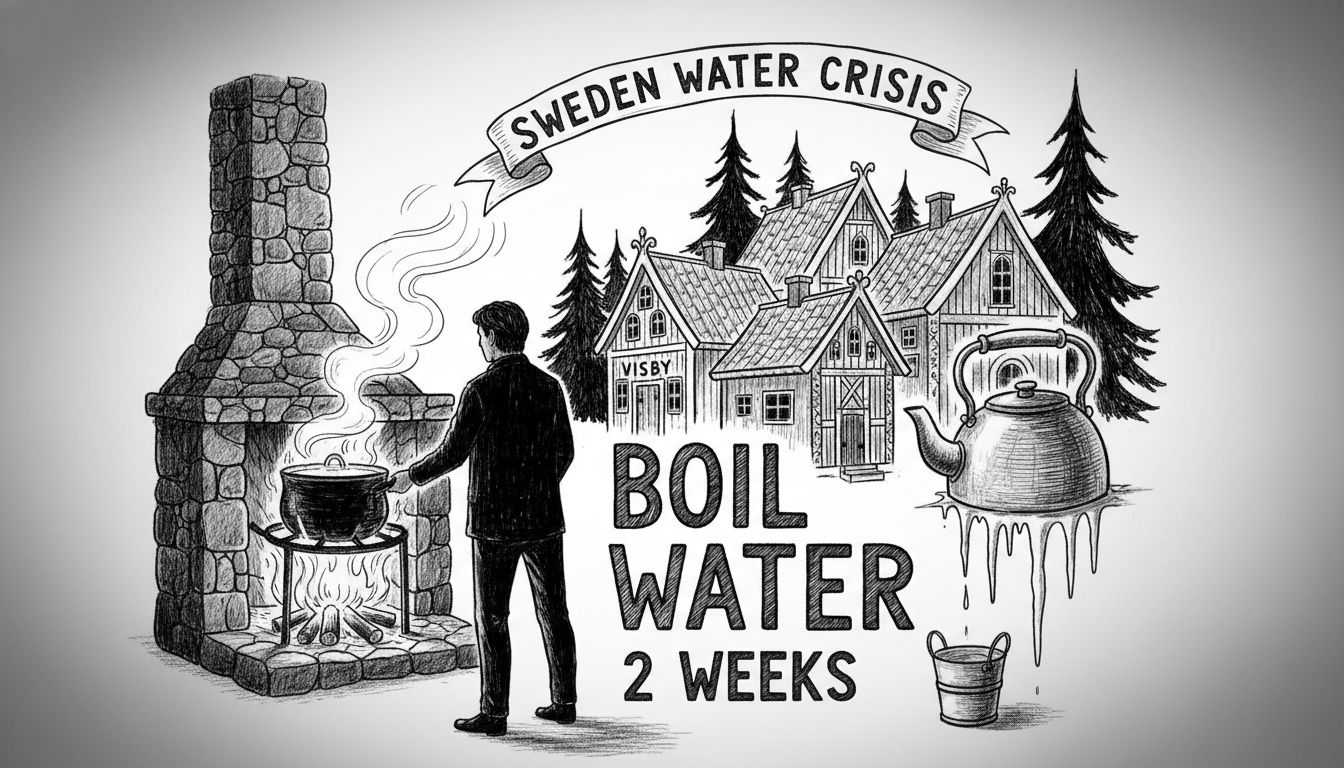
Sweden's picturesque island of Gotland is grappling with a persistent public health alert. For two weeks, residents across the Visby area have been told to boil their drinking water. The advisory, initially a precaution, has hardened into a necessity. New test results confirm the potential presence of dangerous parasites. Region Gotland's latest update states the water may contain Giardia and Cryptosporidium. These organisms can cause severe stomach cramps, nausea, and diarrhea. The boil order affects thousands in Brissund, Själsö, Väskinde, Visby, Vibble, and Västerhejde.
This is not a minor inconvenience. It strikes at the heart of Swedish societal trust in flawless public infrastructure. In a country where tap water is famously pure, the advisory feels alien. It disrupts daily life in a UNESCO World Heritage city built for tourists and locals alike. Cafes must boil water for coffee. Parents worry about their children's safety. The timing, as summer approaches, adds another layer of anxiety for the tourism-dependent island.
A Silent Threat in the Taps
The parasites at the center of this scare are microscopic but potent. Giardia and Cryptosporidium are common waterborne pathogens worldwide. They spread through contaminated fecal matter entering water supplies. Infection, known as giardiasis or cryptosporidiosis, leads to gastrointestinal distress. Symptoms include watery diarrhea, stomach pain, and dehydration. For the elderly, young children, or those with weakened immune systems, the illness can be severe. Boiling water for one minute is the surest way to kill these hardy parasites. Simple filtration or chemical treatment is often insufficient against Cryptosporidium's resilient outer shell.
“This is no longer just a precaution,” the regional authority's statement read. “The recommendation is based on new sample results.” The shift in language is significant. It moves the situation from a theoretical risk to a confirmed threat. Local officials are urging strict compliance. They advise using boiled or bottled water for drinking, brushing teeth, washing fruits and vegetables, and making ice. The message is clear: do not trust the tap.
The Strain on a Summer Island
Visby, with its iconic medieval wall and cobblestone streets, is the capital of Gotland. Its population swells dramatically each summer. Tourists from across Sweden and Europe arrive to enjoy the Baltic Sea island's unique charm. The annual Medieval Week festival transforms the town. This ongoing water crisis casts a shadow over the upcoming high season. Hospitality businesses face operational headaches and concerned customer queries. The fundamental promise of a safe, welcoming environment is momentarily shaken.
Lena Forsberg, a Visby resident, describes the daily reality. “You forget, and then you catch yourself,” she says. “You go to rinse a cucumber or fill the kettle and you stop. It becomes a constant background worry. We have a stockpile of bottled water in the hallway. It feels strange, like we’re not in Sweden anymore.” Her sentiment echoes a common disbelief. Swedish water quality standards are among the world's highest. This breach of trust is culturally jarring.
How Did This Happen on Gotland?
Gotland's water supply presents unique challenges. The island relies on a mix of surface water and groundwater. Its geology is primarily limestone, which can create vulnerable aquifer systems. Contamination can occur from agricultural runoff, wildlife, or faulty wastewater management. Heavy rainfall can wash pathogens into water sources. Conversely, drought can concentrate contaminants. Identifying the exact source is a complex detective job for environmental engineers. It requires extensive sampling of the water network and the surrounding environment.
Professor Henrik Lindmark, an environmental microbiologist, explains the process. “When you get a positive sample, the first task is containment through advisories,” he says. “The next, more difficult task, is source tracking. You must map the entire watershed and infrastructure. A small crack in a pipe or a contaminated wellhead can be the culprit. On an island, the ecosystem is interconnected. Solving it is critical to preventing a repeat.” Region Gotland has not yet publicly identified the contamination source. Their focus remains on public protection and expanded testing.
A Test of Trust and Infrastructure
This event tests the resilience of local governance. Region Gotland must communicate clearly, manage the logistical response, and investigate the cause. They must also maintain public confidence. So far, communication has been direct through official channels. The absence of reported widespread illness suggests the advisory was issued in time. This is a success for the monitoring system, even as it reveals a vulnerability.
For Swedes, it prompts broader questions. Climate change brings more extreme weather. Can aging water infrastructure everywhere handle increased stress? Is the renowned Swedish model of public welfare prepared for more frequent shocks? This is not just a Gotland problem. It is a case study for municipalities nationwide. Investing in resilient, modern water treatment is no longer optional. It is a prerequisite for maintaining the quality of life Swedes expect.
The Path to Clear Water Again
The immediate path forward is tedious but straightforward. Residents must continue boiling water until authorities give the all-clear. This will only come after consecutive rounds of testing show the water is consistently safe. Flushing the system and potentially shocking it with chlorine might be part of the remediation. The long-term solution involves fixing the identified breach. It may require infrastructure upgrades or changes to land use near water sources.
The crisis on Gotland is a reminder. Even in societies with exemplary standards, nature and complex systems can interact in unexpected ways. It highlights the quiet, essential work of public health agencies. Their vigilance is the only thing standing between a hidden threat and a public outbreak. For now, the people of Visby wait. They watch their kettles boil, hoping the steam carries away more than just parasites—but also their unease. The real test will be when the tap runs clear again, and trust, once more, can be poured without a second thought.