
Sweden recorded 71,000 new company registrations last year, yet only 23,000 were started by women. This stark gender gap highlights a persistent challenge in Swedish entrepreneurship. But in Umeå, a northern university city, women are defying national statistics with strategic business launches. Local guidance centers report that 55% of founders who start after advice are female. Their companies also show higher survival rates. This trend offers lessons for Sweden's broader startup ecosystem.
Lee Lannerblad exemplifies this shift. She co-founded a tech startup in Umeå after graduating with a classmate. "I have many women as role models," Lannerblad said. Their journey began at Nyföretagarcentrum, a national business advisory service. Within a year, they launched their company and secured a spot in a local incubator. This rapid progression from idea to incorporation is becoming more common among women in the region.
The Umeå Guidance Effect
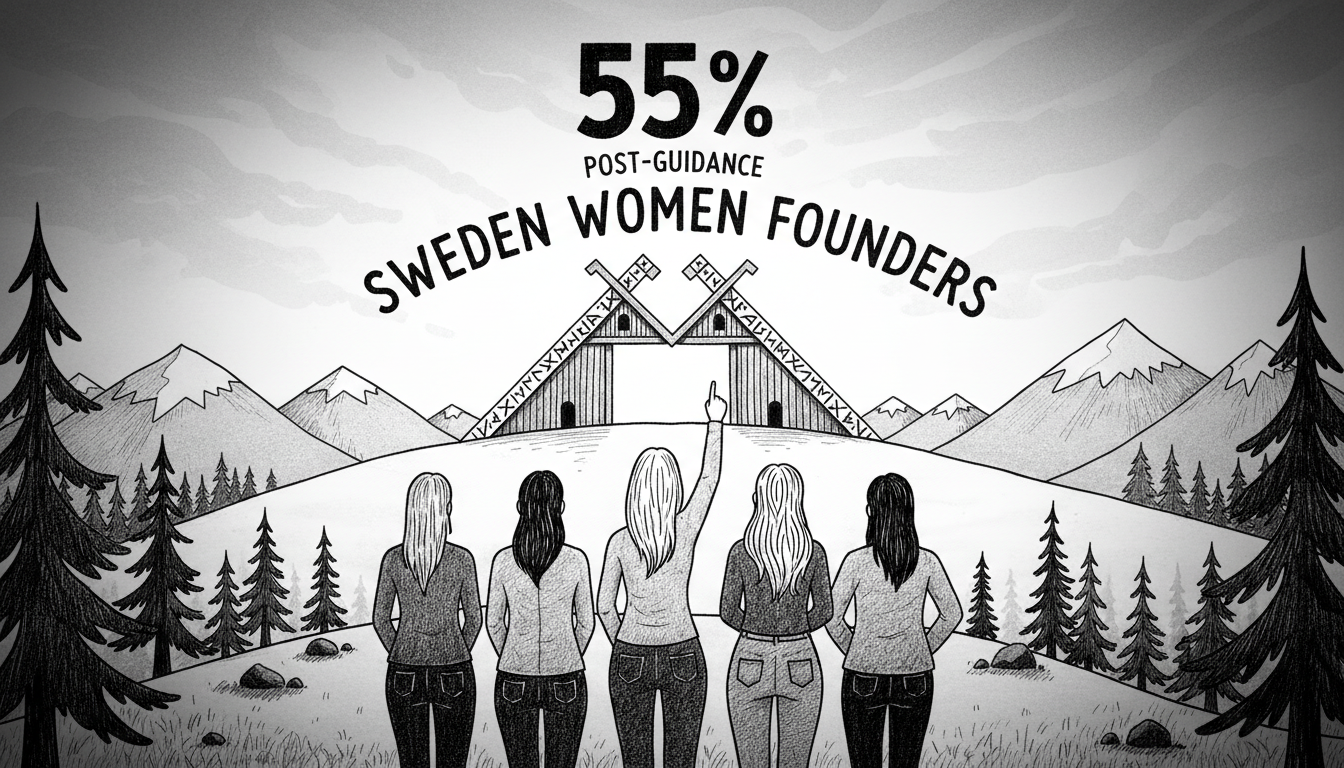
Nyföretagarcentrum's data reveals a counter-narrative. Nationally, women are a minority among new founders. In Umeå, 45% of advice-seekers were women, but 55% of those who actually started a business post-guidance were female. Harry Goldman, CEO of Nyföretagarcentrum, confirms this pattern is countrywide. "Women are in the majority among those who start companies after receiving advice," Goldman said. The center provides free mentorship, financial planning, and network access. This structured support seems to resonate more with female entrepreneurs. It helps them navigate early-stage hurdles like registration and funding.
Strategic Planning and Higher Survival
Women-led startups in Sweden demonstrate notable resilience. Goldman attributes this to meticulous preparation. "Women are much more strategic and plan in a completely different way," he noted. Data from his organization shows these companies have a greater survival rate than those started by men. Experts echo this view. Studies indicate women often adopt cautious, long-term business strategies. They prioritize sustainable growth over rapid scaling. This approach can lead to stronger financial performance over time. In tech sectors, this mindset is valuable amid fierce competition.
Role Models and Mentorship Matters
Lannerblad's reference to female role models is critical. Research consistently shows mentorship boosts women's entrepreneurship confidence. Sweden has actively promoted gender equality in business for decades. Government initiatives offer grants and training for women founders. Organizations like Almi and Innovationsbron provide targeted support. In Umeå, the university ecosystem connects students with seasoned entrepreneurs. This network effect is palpable in areas like Södermalm in Stockholm, a known startup district. But Umeå's collaborative environment fosters similar dynamics. Access to advisors who share similar experiences reduces isolation.
Sweden's Entrepreneurial Landscape
Sweden's economy thrives on innovation. Stockholm ranks as a top European startup hub. Districts like Östermalm host venture capital firms and accelerators. Yet, regional cities like Umeå are gaining traction. They offer lower costs and strong academic ties. Umeå University is a catalyst for tech ventures. National statistics still show a gender imbalance. Only 32% of new companies are women-led. This gap persists despite Sweden's egalitarian reputation. The government aims to increase female entrepreneurship through policy. Tax incentives and childcare support are part of the mix. But local, hands-on guidance may be the missing link.
Analysis: Closing the Gap
Nyföretagarcentrum's model suggests personalized advice is key. Their counselors work one-on-one with aspiring founders. They help develop business plans and connect to funding. For women, this demystifies the startup process. It builds concrete skills rather than just offering inspiration. The higher uptake post-guidance indicates women are ready to act when given clear tools. This has implications for Sweden's economic growth. More women founders could drive innovation in sectors beyond tech. Consumer goods, healthcare, and sustainability are ripe for female-led ventures.
Investors are taking notice. Swedish venture capital firms like Northzone and Creandum are increasingly backing diverse teams. They recognize the performance potential. However, only 1% of venture funding in Europe goes to all-female teams. Sweden is working to improve this. Accelerators like Sting and SUP46 have diversity programs. In Umeå, local investors are engaging with university spin-offs. The city's startup scene may be small but is growing. Success stories attract more talent and capital.
The Road Ahead for Nordic Startups
Lannerblad's startup is now part of Umeå's incubator. She and her co-founder are developing their product. They join a cohort where women are well-represented. This contrasts with Silicon Valley's male-dominated culture. Sweden's approach could offer a blueprint for other Nordic nations. Finland and Denmark also face gender gaps in entrepreneurship. Sharing best practices from Umeå's guidance center might help. The Nordic innovation hub depends on inclusive growth. As Goldman puts it, "Strategic planning leads to longevity." Women founders are proving that point.
Sweden's journey toward gender parity in business is unfinished. But local successes provide optimism. With continued support from organizations like Nyföretagarcentrum, more women may turn ideas into enterprises. The 55% figure in Umeå is a beacon for other regions. It shows that with the right resources, women can and do lead startup waves. The question now is how to scale this model nationwide. Can Sweden replicate Umeå's guidance success in Stockholm, Göteborg, and Malmö? The answer could reshape the future of Nordic business.