
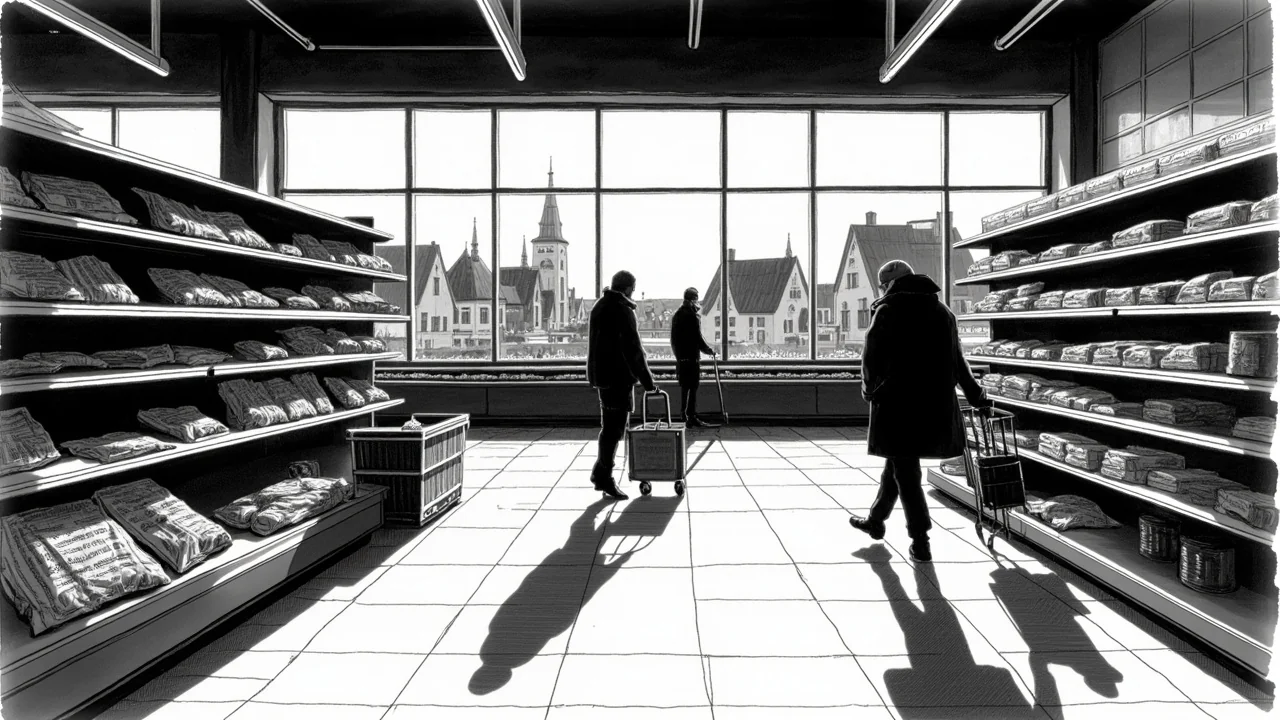
Sweden's grocery store meat aisles are facing a significant shortage of ground beef. A combination of holiday demand, severe winter weather, and a deeper structural crisis in Swedish agriculture has left shelves bare. The problem is more than a temporary inconvenience; it signals a 10% year-on-year drop in national beef production that will take years to reverse.
Isabel Moretti, CEO of Svenskt Kött, the industry association, confirms the scale of the issue. "The big challenge is that we have lost production in Sweden," she states. While the immediate triggers are clear—increased shopping for holiday meals and recent snowstorms disrupting logistics—the roots are economic and systemic. Swedish farmers, grappling with the same high costs and interest rates as consumers, have been forced to scale back.
"We are coming out of several years that have been economically tough and very unstable," Moretti explains. "Scaling up production again has been associated with high risk." This risk aversion has led to a tangible decline. A forecast based on Swedish Board of Agriculture statistics predicts a 10% reduction in Swedish beef production for 2025 compared to 2024.
A Perfect Storm of Disruption
The shortage is a classic case of a perfect storm. Major holidays like Christmas and New Year's always see a spike in meat purchases. Fewer working days during this period slow down production and replenishment cycles. On top of this seasonal pattern, recent heavy snowfall across Sweden created major transport and logistics headaches, delaying deliveries to stores.
Furthermore, the supply of slaughter-ready cattle naturally hits its lowest point around the turn of the year. This annual dip, combined with the surge in demand, creates a predictable pinch point. However, industry experts stress that this year's situation is exacerbated by the underlying production decline. The system has less resilience to absorb these seasonal shocks.
The Long Road to Recovery
When asked when consumers can expect consistently full meat counters, Moretti's answer is sobering. "It takes time," she says. "From the thought to having finished products is a process of three to four years." This timeline reflects the biological reality of cattle farming. A decision to increase herd sizes today won't result in more ground beef in stores for several years.
This long lead time means the effects of today's economic decisions—and hardships—will be felt by consumers deep into the future. It also highlights the vulnerability of domestic food production chains. A period of financial instability for farmers creates supply vulnerabilities that persist long after the economic climate improves.
Economic Squeeze on Swedish Farms
The core of the problem lies on Sweden's farms. For years, farmers have faced rising costs for feed, fuel, and fertilizer. Increased interest rates have made investments in expanding herds or upgrading facilities more expensive and risky. This comes after a period of global instability that has affected agricultural sectors worldwide.
Unlike consumers who can quickly change buying habits, farmers' decisions are long-term commitments. Choosing not to breed more cows or to send animals for slaughter earlier is a rational response to financial pressure, but it directly reduces future supply. The industry association emphasizes that farmers are not immune to the broader economic climate; their struggles directly translate to emptier shelves.
Short-Term Relief vs. Long-Term Trend
There is some immediate relief on the horizon. Moretti notes that the ground beef shortage should ease somewhat in the coming weeks. "It will be restocked," she says, as the holiday rush ends and weather improves. The logistical snarls will untangle, and the post-holiday drop in demand will allow supply chains to catch up.
However, this short-term replenishment should not be mistaken for a solution. The replenished shelves will still be backed by a smaller domestic production base. Sweden may become increasingly reliant on imported beef to meet demand, a shift with implications for food security, pricing, and the country's agricultural landscape. The price of ground beef and other beef products is likely to remain under upward pressure.
Analysis: A Warning Sign for Food Security
This shortage is a tangible case study in national food security. It demonstrates how interconnected economic policy, farmer livelihoods, and consumer access truly are. When the production base shrinks, the entire supply chain becomes more fragile and less able to handle predictable disruptions like holidays or bad weather.
For policymakers, it raises questions about how to support a resilient domestic food production system. For consumers, it's a reminder that the availability of staple foods cannot be taken for granted. The situation also puts a spotlight on the true cost of food production and the economic sustainability of farming.
What Consumers Can Expect Next
In the near term, shoppers may continue to see sporadic shortages or limited selections of ground beef, particularly of specific fat percentages or brands. Butchers and grocery stores will likely prioritize what supply they have. Consumers might need to be more flexible, opting for different cuts of beef or alternative proteins.
The long-term outlook depends heavily on the economic conditions for Swedish farmers. If profitability returns and stability increases, the multi-year process of rebuilding herds can begin in earnest. Until then, the specter of empty shelves may return during future periods of high demand or logistical stress. The Swedish beef shortage is more than a headline; it's a symptom of a deeper economic strain on the foundations of the country's food supply.
Will this shortage become a catalyst for broader support for Swedish agriculture, or simply a temporary inconvenience forgotten by spring? The answer will determine what's on the menu for years to come.