
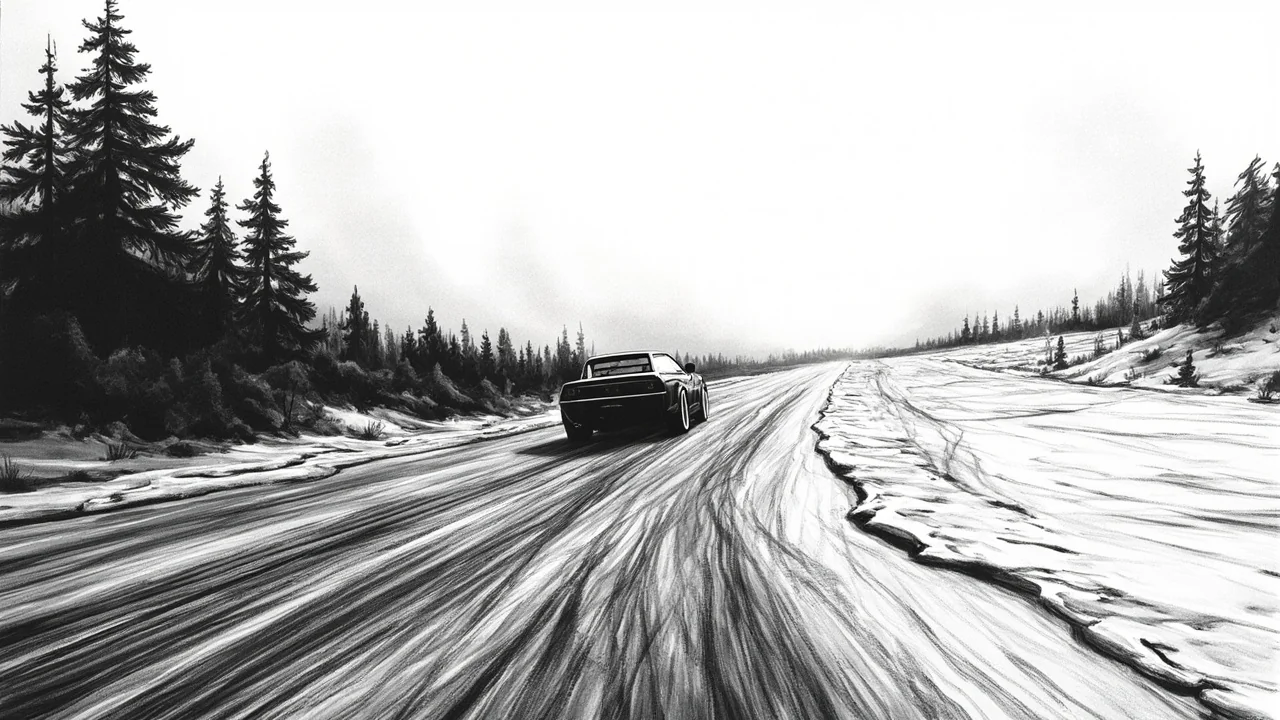
Sweden's deep freeze is about to break with a dangerous twist. As temperatures climb from a bitter -40°C in the far north to just above freezing in the south, forecasters warn of widespread black ice. This sudden shift from extreme cold to wet conditions creates a perfect recipe for treacherous roads and sidewalks across the country.
Meteorologist Lasse Rydqvist is tracking the system. "I saw it was just under 40 below in Karesuando. It's truly cold right now," he notes, highlighting the dramatic starting point. "But when that changes, and we get rain on these frozen surfaces, the risk of slipping increases significantly."
For many Swedes, this is a familiar yet dreaded annual pattern. The transition period between proper winter and milder weather often proves more hazardous than the deep cold itself. In Stockholm, residents in neighborhoods like Södermalm and Vasastan are already swapping stories about particularly slippery patches on their morning commutes.
The Science of Slipping
This phenomenon isn't just bad luck. It's basic physics meeting Swedish geography. When weeks of sub-zero temperatures freeze the ground solid, the first rain or wet snow doesn't soak in. Instead, it forms a nearly invisible layer of ice on roads, bike paths, and pedestrian walkways. This black ice is especially problematic because it's so hard to see.
"We often see a spike in emergency room visits during these transition days," says Dr. Elin Mårtensson, an emergency physician at Karolinska University Hospital. "It's not the extreme cold that brings people in. It's the falls. Wrist fractures, hip injuries, head trauma—these become much more common when the ice is new and people haven't adjusted their behavior yet."
The risk isn't uniform. Southern Sweden, including cities like Malmö and Gothenburg, will experience the thaw first. Areas that used studded winter tires during the cold snap now face melting slush that refreezes overnight. In central Stockholm, the city's maintenance crews are on high alert, ready to deploy extra gravel and salt at known trouble spots.
A Cultural Adjustment
Swedish society has a deeply ingrained relationship with winter. The concept of 'fika' moves indoors. Cities string up millions of fairy lights to combat the darkness. There's a collective understanding of how to dress and move during proper winter. But these in-between weeks disrupt that rhythm.
"You develop a kind of muscle memory for real winter," explains Lars Bengtsson, a veteran driving instructor in Uppsala. "You walk with shorter steps, you plan your route differently, you're mentally prepared. When it warms up just a few degrees, that alertness fades. People let their guard down. That's when they fall."
This cultural shift is visible in daily life. Schoolyards, usually filled with children playing even in the cold, become quieter as parents fear the unseen ice. The popular winter running paths around Lake Mälaren in Stockholm see fewer joggers. Even the simple act of walking the dog becomes a more cautious endeavor.
For Sweden's large immigrant population, this period presents a unique challenge. New arrivals from warmer climates may have just acclimated to the deep cold, only to face a different kind of hazard. Community centers and language schools often add practical safety tips to their curricula during this season.
Infrastructure Under Pressure
The weather shift tests municipal preparedness. Road maintenance departments must pivot quickly from snow clearance to ice prevention. The Swedish Transport Administration issues regular warnings to motorists, emphasizing that summer tires—even good ones—are useless on ice. They recommend keeping winter tires on until stable spring temperatures arrive, usually in April.
Public transportation also feels the strain. Tram lines in Gothenburg and Stockholm can be disrupted by ice on the tracks. Bus schedules become less reliable as drivers navigate slippery streets. For a society that prides itself on punctuality, these disruptions cause significant daily friction.
Pedestrian infrastructure reveals its weaknesses. A beautifully designed square in front of the Kulturhuset in Stockholm can become an ice rink. The cobblestone streets of Gamla Stan, charming in the summer, are notoriously slippery when wet and cold. This forces a conversation about whether form should sometimes follow function in urban design, especially in a northern climate.
The Economic Chill
Beyond safety, there's an economic cost. Workplace accidents related to slips and falls increase. Retail foot traffic in city centers can drop as people choose to avoid risky walks. The construction industry faces delays when sites become too dangerous for work.
Conversely, some businesses see a boost. Pharmacies stock up on bandages and pain relievers. Stores selling ice grips that attach to shoes report seasonal sales spikes. Physical therapists brace for a wave of patients recovering from fall-related injuries.
For Sweden's older population, the fear is more profound. A bad fall can mean a loss of independence. Many elderly citizens become virtual prisoners in their own homes during icy periods, relying on home delivery services and family help. This social isolation is a hidden consequence of the weather.
Looking Ahead in a Changing Climate
This annual pattern may be changing. Climate scientists note that while Sweden is warming overall, weather volatility is increasing. The swings between extreme cold and mild, wet conditions could become more pronounced. This means the dangerous freeze-thaw cycles might occur more frequently throughout the winter, not just at the season's edge.
"We need to start thinking of this not as a brief transition, but as a recurring winter hazard," says climate researcher Anna Kjellström. "Our infrastructure and our public awareness campaigns may need to adapt. The classic Swedish winter with stable snow cover is becoming less common in the south."
For now, the advice remains simple but vital. Meteorologist Lasse Rydqvist urges caution. "Pay attention to the forecast, not just the temperature. Look for that combination of rising temperatures and precipitation. That's the warning sign."
As Swedes navigate the coming days, they'll perform a familiar dance of caution. They'll test the ground with a tentative foot. They'll choose boots over stylish shoes. They'll leave a little earlier for work. It's a shared, unspoken understanding—a seasonal adjustment to a hazard that is as much a part of Swedish culture as midsummer and cinnamon buns. The true test isn't surviving the cold, but navigating the treacherous beauty of its departure.
Will this be the winter's last slippery trick, or just an intermission before another freeze? For millions of Swedes, that uncertainty is the most challenging forecast of all.