
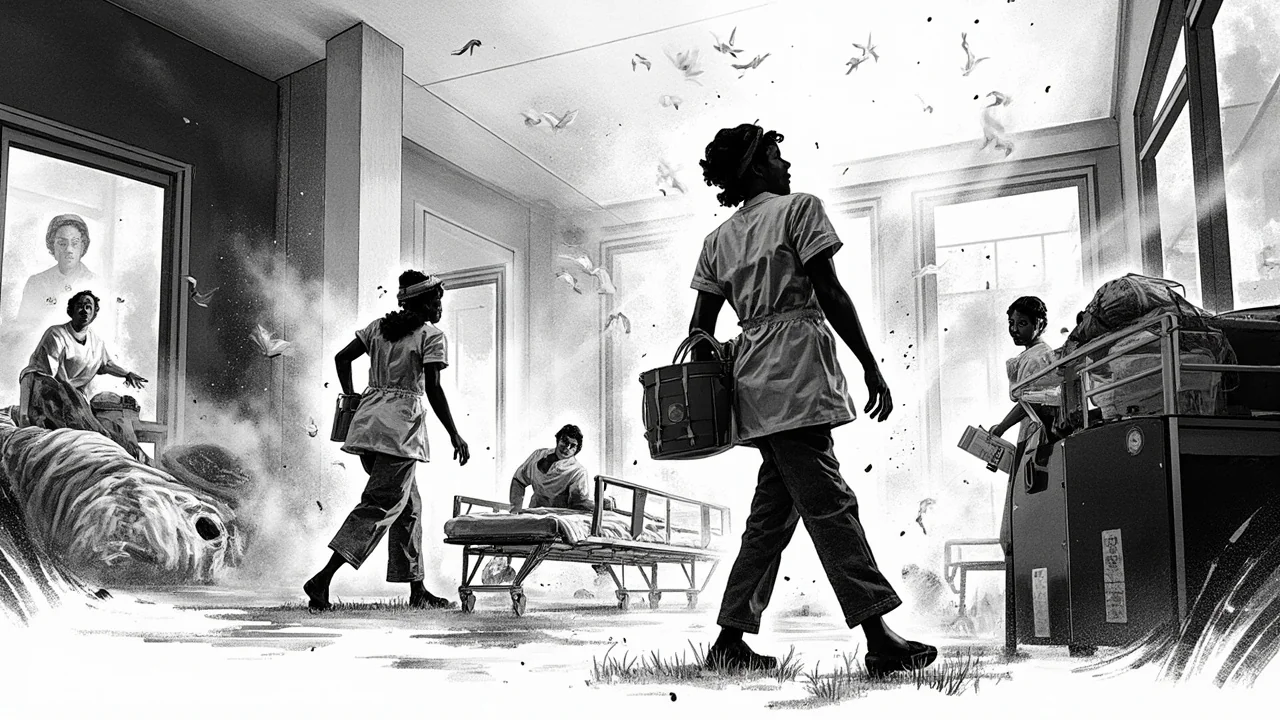
Sweden's healthcare system is buckling under a severe flu outbreak that has pushed emergency rooms to their breaking point. In Norrköping, patients are being treated as inpatients in the ER due to a lack of hospital beds, creating dangerous conditions and overwhelming frontline staff. "We want to help as best we can, but we just don't have the time," says one nurse, describing a situation that experts warn directly threatens patient safety.
My Aldas, a nurse called in to work extra shifts on a special care team at Norrköping's emergency department, describes a relentless pace. "It becomes a huge amount to do, so you really have to plan, structure, and coordinate to make it as good as possible for everyone," she explains. The pressure isn't from a lack of skill, but from an impossible workload. Patients who should be on proper wards are instead lining the corridors and bays of the ER, receiving a lower standard of care because the resources simply aren't designed for it.
A Perfect Storm of Seasonal Illness
The Swedish Public Health Agency reports influenza levels have now reached last year's peak. This seasonal wave has crashed into a healthcare system already strained by winter pressures. "We've noticed it. A huge number of people are coming in with it, in all age groups, from children to the elderly," says Aldas. Across the Östergötland region, every emergency department has reported severe pressure throughout the Christmas and New Year period. This isn't an isolated incident in one city; it's a regional system showing significant stress fractures.
The core problem is a bottleneck. When the ER is flooded with flu cases and other emergencies, patients who need to be admitted to the hospital find there are no beds available. They then become "boarded" in the emergency department, receiving care from ER staff who are simultaneously trying to manage new, incoming emergencies. This creates a chaotic and risky environment where the specific, attentive care required for admitted patients is nearly impossible to deliver.
The Human Cost of Overcrowding
Cristian Jonsson, a board member for the Swedish Association of Health Professionals in Östergötland, outlines the grim consequences. "This means, for example, a higher risk for elderly people who fall when they try to get to the toilets themselves, that important medications are missed or the wrong medication is given, patients can get mixed up, bedridden patients can get pressure sores which creates a lot of suffering and risk of infection." These are not abstract risks but daily realities in an overcrowded unit. Patient safety, a cornerstone of the Swedish welfare model, is being compromised.
The strain moves beyond patient care to the wellbeing of the staff. Nurses like Aldas are working in a constant state of triage, knowing they cannot provide the level of care they were trained to give. This moral injury—the psychological distress of being unable to meet professional and ethical standards—is a growing concern in Swedish healthcare. It leads to burnout, high turnover, and further deepens staffing shortages, creating a vicious cycle.
A Systemic Challenge Beyond the Flu
While the current influenza wave is the immediate trigger, healthcare unions and analysts point to deeper, systemic issues. Years of restructuring, ward closures, and an emphasis on outpatient care have reduced the number of available inpatient beds across Sweden. The system has become lean, with little buffer for seasonal surges or unexpected crises. When a high-occupancy hospital meets a spike in admissions, the emergency department becomes the default waiting room.
The response in Norrköping, calling in extra staff to form dedicated care teams for the boarded patients, is a crisis mitigation tactic. It acknowledges the problem but is a costly and unsustainable stopgap. It pulls nurses from other duties or asks them to work overtime, a solution that cannot hold for weeks on end. It treats the symptom—the crowded ER—but not the underlying disease of insufficient inpatient capacity and a strained workforce.
Searching for Solutions in a Strained System
The situation in Östergötland raises urgent questions about Sweden's healthcare preparedness. The Swedish model, admired globally for its equity, is built on accessibility and high standards. Stories of elderly patients at risk of falling in ER corridors because they can't get timely help to the bathroom clash sharply with that image. It forces a conversation about resources, priorities, and what level of care citizens can expect, especially during predictable annual events like the winter flu season.
Some argue for increased investment in permanent hospital beds and staff. Others point to the need for better primary and community care to prevent unnecessary ER visits. Strengthening home care services for the elderly could also keep vulnerable populations out of hospitals. There is no single, simple answer, but the crisis in Norrköping makes it clear that the status quo is failing both patients and caregivers.
As the flu season continues, the nurses, doctors, and orderlies in Norrköping and across Sweden will keep showing up. They will continue to plan, structure, and coordinate, fighting to provide dignity and safety in an overwhelmed system. My Aldas's quiet determination—"to make it as good as possible for everyone"—highlights the professional ethos holding the line. But her words also carry a warning: goodwill and overtime are not infinite resources. Sweden must find a way to support its healthcare workers before more than just the flu season reaches a critical peak.