
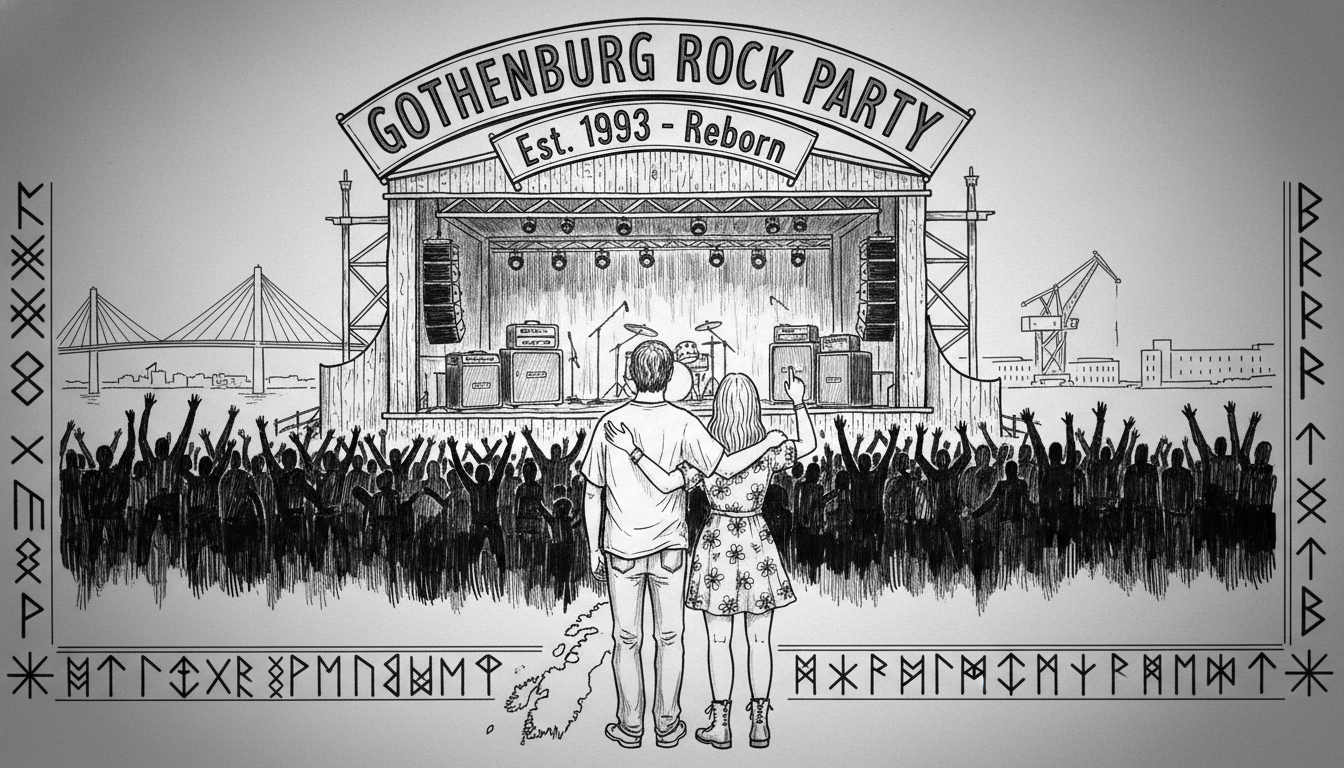
Sweden's major Gothenburg festival is changing its name after 19 years. The event known as Kulturkalaset is returning to its original 1990s title: Göteborgskalaset. The move is a deliberate nod to nostalgia, aiming to recapture the spirit of a festival once defined by langos bread and shrimp feasts. "It's not a return to the old, more of an upgrade. Göteborgskalaset 2.0, simply put," says project leader Anna Mjörnvik.
For nearly two decades, the city's premier summer celebration has operated under the broader banner of Kulturkalaset, or "The Culture Feast." The shift back to a name that literally means "The Gothenburg Feast" signals a strategic refocus. Organizers want to strengthen the event's identity as intrinsically linked to its host city. This is more than a simple rebrand. It is an attempt to weave the festival's history into its future, tapping into collective memory to build renewed excitement.
A Feast for the Senses and the Soul
Göteborgskalaset is not a single concert or exhibit. It is a sprawling, city-funded cultural takeover. For several days each August, parks, squares, and streets across central Gothenburg pulse with activity. The program traditionally features an eclectic mix of music, theater, dance, film, and visual arts. Much of it is free, embodying the Swedish principle of Allemansrätten—the right of public access—applied to culture. The event's core mission is to democratize art, making it accessible to everyone from families in Majorna to students in Linnéstaden.
Yet, for many, the festival's soul has always been equally about food. The mention of its 1990s incarnation instantly evokes specific sensory memories. The sizzle of langos, the Hungarian fried bread, topped with garlic and sour cream. The sprawling, communal tables of räkmacka, open-faced shrimp sandwiches, representing a classic Swedish summer. These culinary traditions created a unique social atmosphere. They turned the festival from a series of performances into a shared civic experience.
Why Revert to a 90s Brand?
In a world saturated with events, name recognition and emotional connection are invaluable. Cultural commentators see this reversion as a clever strategic move. "It’s about anchoring the festival in a specific time and place that people remember fondly," says Lars Bengtsson, a Stockholm-based cultural analyst. "The name 'Kulturkalaset' is generic. It could happen in any city. 'Göteborgskalaset' is unmistakably local. It speaks of tradition, local pride, and a particular kind of West Coast hospitality."
The change targets two key audiences. First, it appeals to a generation of Gothenburgers who experienced the festival in their youth. For them, the name carries a potent dose of nostalgia. Second, it offers a clearer, more geographically specific identity for new visitors and younger residents. In an era where cities fiercely compete for tourists, a strong, unique brand is crucial. This isn't just looking backward; it's using heritage as a foundation for future growth.
Anna Mjörnvik's description of "Göteborgskalaset 2.0" is telling. It acknowledges the past while insisting on progress. The festival will not simply resurrect a 1990s playlist and menu. Instead, it will fuse that beloved, approachable spirit with contemporary programming. Expect to see the iconic langos stands alongside street food vendors offering global cuisines. Stages that once hosted Swedish pop bands will now feature a mix of local hip-hop, international indie acts, and traditional folk music.
The Broader Swedish Festival Landscape
This renaming occurs within a dynamic Swedish cultural scene. Across the country, cities balance tradition with innovation. Stockholm's Kulturfestival maintains a broad, inclusive name. Malmö's Malmöfestivalen has long leveraged its city-specific title. Gothenburg's decision places it firmly in the latter camp, emphasizing place over a generic concept.
It also reflects a broader trend in Swedish society: a renewed appreciation for local identity. In the face of globalization, there is a conscious effort to celebrate what makes a place distinct. For Gothenburg, a city known for its industrial heritage, maritime culture, and down-to-earth attitude, the festival is a key platform for expressing that character. The name change makes that mission explicit.
What Visitors Can Expect
While the full program for the newly renamed Göteborgskalaset is under development, its pillars remain. The festival will continue to transform public spaces like Götaplatsen and the Avenue. Free outdoor concerts will draw crowds. Theater troupes will perform in unexpected venues. Food markets will showcase both Swedish classics and international flavors.
The critical addition is the layer of historical context the name brings. Organizers are likely to incorporate subtle nods to the festival's evolution. This could include retrospective photo exhibitions or "classic" food zones alongside newer offerings. The goal is to create a dialogue between the city's past and its vibrant present.
For the people of Gothenburg, the reaction seems positive. "I remember going to Göteborgskalaset as a teenager," says Erik Lund, a 42-year-old teacher. "It felt like the whole city was out celebrating. The name 'Kulturkalaset' never quite had the same ring to it. This feels like coming home." This sentiment is precisely what organizers hope to cultivate—a sense of ownership and belonging among residents.
A Template for Cultural Renewal?
The success of this rebranding will be measured in attendance and atmosphere. Will the nostalgic pull actually bring out larger, more engaged crowds? Will it deepen the connection between the event and the citizens? Other Swedish cities with long-running festivals will be watching closely. In a time of tight cultural budgets, finding cost-effective ways to rejuvenate an institution is a pressing concern. A name change, rooted in authentic history, might prove to be a powerful tool.
Ultimately, Göteborgskalaset 2.0 represents a fusion of memory and ambition. It recognizes that a festival's strength comes not just from its program, but from its story. By reclaiming its 1990s name, Gothenburg is not erasing the last 19 years. It is integrating all chapters of its history into a clearer, more compelling narrative. The feast is reset, but the table is richer for it. When the music starts next summer, it will play under a name that whispers of the past while shouting its location to the world: this is Gothenburg's feast, for everyone.