
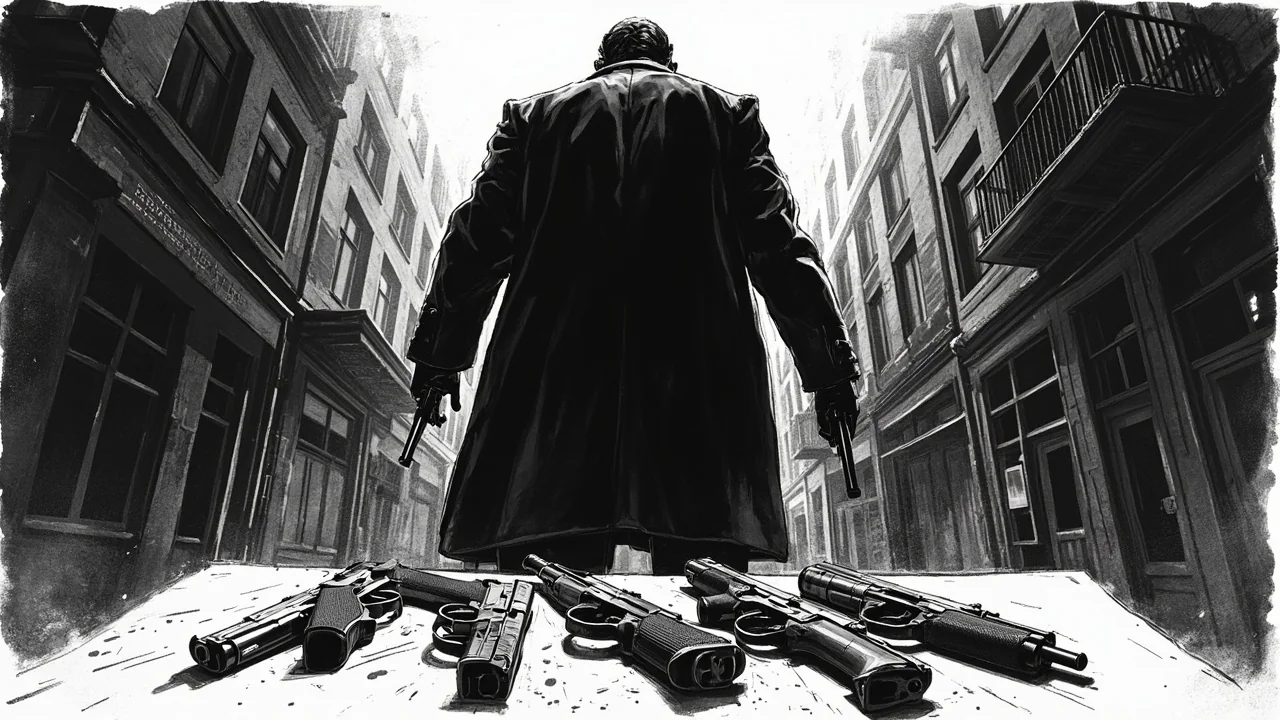
Sweden's illegal weapons market caught up with two friends five years after their business venture. The pair invested 280,000 kronor in ten modified, ready-to-fire tear gas pistols. They assembled a financier, a transporter, and a warehouse keeper. Now, with one of the main perpetrators having since become a doctor, the anonymous group faces justice. This case opens a window into the shadowy economy of Swedish gun crime and the long arm of the law.
From Student Idea to Criminal Enterprise
The story begins with what the court called a 'business idea.' Two friends saw an opportunity. They pooled resources with others, gathering a substantial sum. 280,000 kronor is not pocket change. It represents a serious investment. The target commodity was specific: ten pistols, originally designed for tear gas. These weapons had been modified. They were converted to fire live ammunition, making them deadly. The group operated with a clear division of labor. One found the money. Another handled logistics and transport. A third secured storage. This structure mirrors legitimate business, but its product was violence.
For years, this operation remained hidden. The weapons entered the underground market. They disappeared into Sweden's criminal networks. The friends moved on with their lives. One pursued higher education, entering the demanding field of medicine. He studied, trained, and eventually took the oath to do no harm. This stark contrast defines the case. By day, a healer. By night, a past linked to arming criminals. It shows how illicit activities can exist alongside a respectable facade.
The Long Investigation and Cultural Context
Swedish police investigations into organized crime often take years. This is not unusual. Building cases around anonymous groups requires patience. Detectives must follow financial trails, communications, and witness testimonies. The five-year gap between crime and conviction highlights this meticulous process. It also reflects a growing focus on tackling the source of weapons. Sweden has seen a troubling rise in gun violence linked to gang conflicts. Much of it stems from metropolitan areas like Stockholm's southern suburbs, or Malmö.
Public debate is intense. Many Swedes express concern over societal fragmentation. The conversation often touches on integration, segregation, and opportunity. Criminal gangs frequently recruit young people in vulnerable areas. They offer quick money and a sense of belonging. The sale of weapons like these pistols fuels this cycle. It provides the tools for retaliation and intimidation. This case, while small in scale, is a cog in a larger machine. It shows how supply chains operate to meet demand.
A Doctor's Double Life
The transformation of one perpetrator into a medical professional is the story's most compelling twist. It raises difficult questions. How does someone sworn to uphold life reconcile with a past that endangered it? The Swedish medical board, “Socialstyrelsen,” has strict ethical guidelines. A criminal conviction for such a serious offense would trigger a review of a doctor's license. The principle of trust is paramount. Patients must believe their doctor acts with integrity.
This aspect resonates deeply in Swedish culture. There is a strong societal value placed on honesty and transparency, often called “tillit” or trust. A breach like this shocks the system. It also challenges stereotypes. Criminality is not always visible. It can wear a white coat. The case serves as a reminder that crime crosses all social and professional boundaries. The driver behind it is usually simple: financial gain.
The Mechanics of the Black Market
Tear gas pistols, often sourced from Eastern Europe, are a known problem. They are relatively easy to convert. Criminal networks use online, encrypted platforms to arrange deals. Payment is handled through cryptocurrencies or cash drops. Transport involves complex logistics, using cars or vans across European borders. Once in Sweden, the weapons are stored in anonymous locations, like the one this group used. They are then sold for a significant markup. A pistol bought for 28,000 kronor might sell for double or more on the street.
The group's model was straightforward. It was a classic import-wholesale operation. They assumed anonymity would protect them forever. They were wrong. Swedish law enforcement has increased international cooperation. They work closely with agencies like Europol. Financial investigations are also key. Tracing the flow of 280,000 kronor can leave a digital paper trail. This evidence is often what finally connects individuals to the crime, long after the guns have been fired or resold.
Societal Impact and Legal Repercussions
The sentencing sends a clear message. Crimes related to illegal weapons are treated with extreme severity. Sweden has toughened penalties for gun crimes in recent years. A conviction for large-scale weapons trafficking can mean several years in prison. The court considers the potential harm. These ten pistols could have been used in multiple murders, robberies, or acts of intimidation. The sentence reflects that potential for violence, not just the act of sale.
For society, each illegal gun represents a failure. It speaks to challenges in policing borders and disrupting networks. Community leaders in affected areas often speak of the fear these weapons bring. They damage the fabric of neighborhoods. They make public spaces feel unsafe. This is a recurring theme in Swedish society news. The debate centers on prevention: more youth programs, better economic opportunities, and stronger community policing. The goal is to stop the demand as well as the supply.
A Story of Time and Consequence
This is ultimately a story about time. Time to plan a crime. Time to build a career. And time for justice to arrive. The five-year delay shows that the Swedish legal system does not forget. It pursues. For the individuals involved, those five years were a period of assumed freedom. One built a future in medicine. That future is now in jeopardy. The professional and personal fallout will be immense.
The case is a small but telling chapter in Sweden's ongoing struggle with organized crime. It underscores a harsh reality. The consequences of bad decisions can surface years later, in the most unexpected ways. It asks us to consider the dual lives people can lead. And it proves that in the digital age, few crimes remain permanently anonymous. The past has a way of finding its way to the present, even for a doctor who forgot where he started.
What does it take to rebuild trust after it's been shattered so fundamentally? That may be the longest sentence of all.