
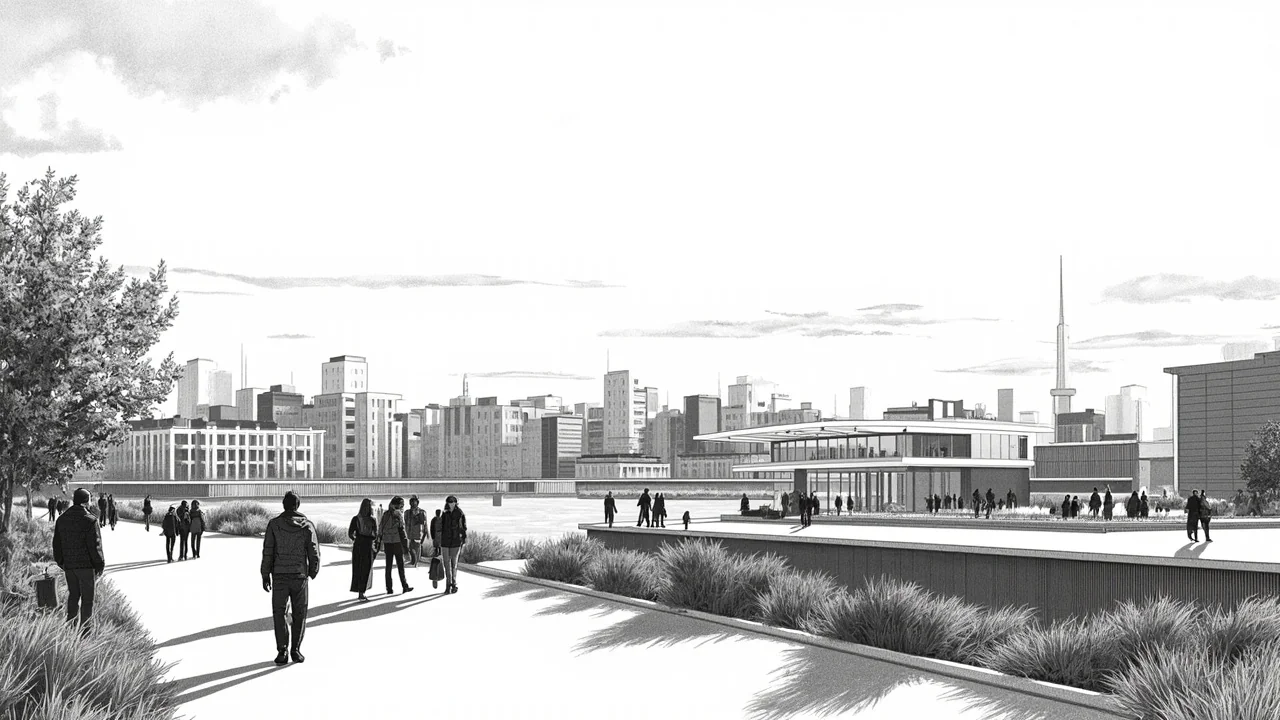
Sweden's Sigtuna Municipality has formally approved a vision plan for a major new city district east of Märsta. The decision by the municipal council unlocks a long-term development project adjacent to Stockholm Arlanda Airport. This strategic move follows updated national noise mapping that permits residential construction closer to flight paths.
"I am very satisfied with this vision, which is the result of collaboration both internally and across a broad political spectrum," said Stina Gunnarsson, project leader for Sigtuna Municipality. "Now we have this to adhere to in the long term. The idea is for it to be a well-anchored vision." The plan represents a significant shift in regional urban planning, turning currently vacant land into a future community.
From Empty Fields to Future Community
The designated area, currently characterized by empty grasslands, dumped tires, and a closed-off road, is poised for transformation. The catalyst for this development was the Swedish Transport Administration's 2021 revision of official noise maps. Modern aircraft are significantly quieter than the models used in the previous 2008 mapping. This technical update provided the legal and environmental foundation for Sigtuna's ambitious housing project.
Municipal planners have seized this opportunity. The newly adopted vision plan provides the strategic framework for the district's development over the coming decades. It moves the project from conceptual discussion into a concrete planning phase, guiding future detailed zoning and infrastructure investments. The process reflects a common Swedish municipal approach to large-scale development.
A Collaborative and Consultative Process
The formulation of the vision plan was not conducted in isolation. Sigtuna Municipality engaged in extensive public consultation throughout the past year. Several formal consultations allowed residents to voice opinions and provide feedback on early proposals. This step is a standard but critical part of the Swedish planning process, ensuring local concerns are heard before binding decisions are made.
In a notable initiative, schoolchildren from the local Centralskolan acted as an expert panel. They provided input on what features and amenities they would prioritize in the new neighborhood. Incorporating the perspectives of future young residents highlights a forward-thinking approach to creating a livable, family-friendly environment from the outset.
The Long Road from Vision to Reality
While the council's approval is a major milestone, it marks a beginning rather than an end. A vision plan in the Swedish context sets overarching goals and principles. The next stages involve creating detailed development plans, securing financing for essential infrastructure, and attracting construction partners. This process typically spans many years, often a decade or more for projects of this scale.
The district's location east of Märsta station is strategically significant. It offers potential for strong public transport connections via the existing rail line to Stockholm and proximity to Arlanda Airport. Planners will likely focus on creating a sustainable, transit-oriented community to reduce car dependency. The final character of the district—its housing density, architectural style, and public spaces—will be defined in subsequent, more detailed plans.
Analysis: A Test Case for Sustainable Expansion
This project arrives amid intense national debate on housing shortages, particularly in the greater Stockholm region. The Swedish government has repeatedly called for municipalities to enable more home construction. Sigtuna's plan represents a direct response to that pressure, utilizing previously restricted land near major transport infrastructure.
The reliance on updated noise data is analytically crucial. It demonstrates how evolving technology and environmental standards can unlock new urban development possibilities. Other municipalities near airports or major roads may examine similar opportunities based on newer, more accurate environmental assessments.
However, significant challenges remain. The cost of developing entirely new infrastructure—roads, water, sewage, electricity, and digital networks—is enormous. These costs must be balanced against the income from land sales and future tax revenue. Furthermore, the project must integrate seamlessly with existing communities in Märsta to avoid creating a isolated satellite.
The Political and Bureaucratic Framework
The approval process within Sigtuna's municipal council reflects Sweden's consensus-driven political culture. Stina Gunnarsson's reference to "broad political" collaboration suggests the vision secured support across party lines. This cross-party backing is often essential for long-term projects that will outlive any single election cycle and require stable planning.
Execution will involve multiple layers of Swedish bureaucracy. While Sigtuna Municipality leads the planning, coordination with regional authorities and national agencies like the Transport Administration will be continuous. The plan must also align with the County Administrative Board's regional development strategies and national environmental quality objectives.
Looking Ahead: The Next Steps for Sigtuna
With the vision plan ratified, municipal officials will begin the meticulous work of implementation. The coming years will see detailed architectural competitions, environmental impact assessments, and negotiations with utility providers. The first physical signs of development—likely initial roadworks and utility trenching—are still several years away.
The success of this venture will be measured not just in the number of homes built, but in the creation of a vibrant, functional, and sustainable community. It serves as a prominent example of how Swedish municipalities are tackling the dual challenges of housing demand and strategic growth. The empty fields east of Märsta station now hold the mapped-out potential for a new chapter in the region's development.