
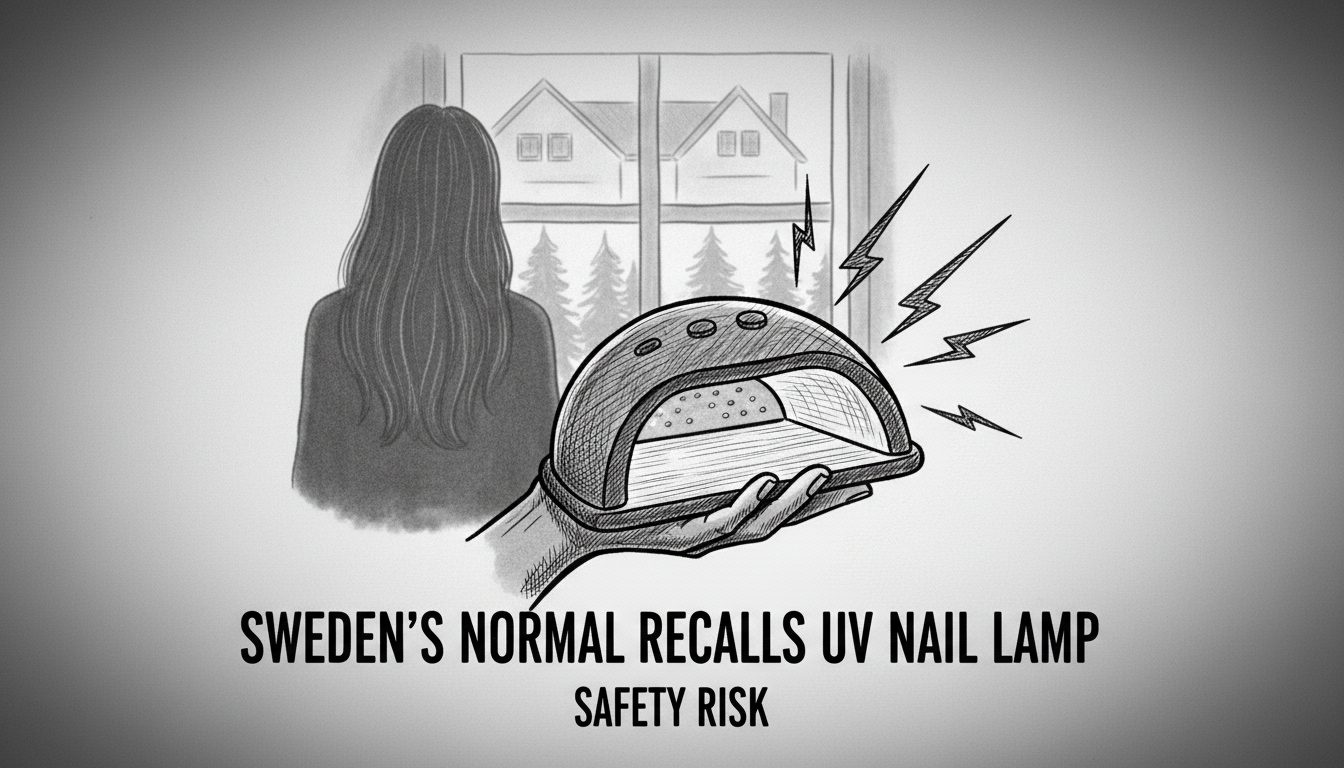
Sweden's Normal retail chain has issued a product recall for a specific UV nail lamp, citing a serious safety defect. The company urges all customers who purchased the "Gelpolish Factory UV-nagellampa" to stop using it immediately and return it for a full refund, even without a receipt. This swift action highlights Sweden's proactive consumer protection culture, where safety often trumps convenience.
For many Swedes, a trip to Normal is a routine part of city life. The stores, found in shopping centers from Mall of Scandinavia to local neighborhood hubs, are known for affordable cosmetics, home goods, and quirky gadgets. The recalled UV nail lamp fits perfectly into this landscape—a product promising salon-style manicures at home. Its recall isn't just a corporate notice; it's a disruption to a small, personal ritual of self-care for countless customers.
A Defect in the Details
The specific problem lies in the lamp's BQ-36 power adapter unit. Normal's press release states the defect "presents a safety risk," a phrase that product safety experts take very seriously. While the company has not detailed the exact nature of the risk, faults in power adapters can range from overheating and electrical shorts to potential fire hazards or electric shock. "When a retailer identifies a fault in a component like a power adapter, acting with maximum caution is the only responsible path," says Lars Pettersson, a product safety consultant based in Stockholm. "The priority is to remove the risk from homes."
Normal's response follows a well-established protocol in Swedish retail. Consumer protection laws here are strong, mandating that companies address safety issues transparently and promptly. The offer of a refund without requiring a receipt is a key part of this. It lowers the barrier for consumers to act, understanding that many small purchases are made casually and receipts are easily lost. This customer-friendly approach aims to ensure the dangerous product is returned, not just left in a drawer.
The Swedish Safety Net in Action
Product recalls are not uncommon globally, but the Swedish system emphasizes ease and trust. The Swedish Consumer Agency (Konsumentverket) often works alongside retailers to communicate risks. While this recall was initiated by Normal and the product's manufacturer, it operates within a framework designed to protect people first. "The efficiency of a recall depends heavily on clear communication and making the return process effortless," Pettersson explains. "A strict receipt policy would undermine the entire safety objective."
This incident touches on a broader trend in Swedish society: the booming DIY beauty and wellness market. From nail art kits to at-home facial tools, consumers are increasingly bringing the salon experience into their apartments in Södermalm or suburban villas. This shift, accelerated by pandemic habits, places new responsibility on retailers to ensure these sometimes-technical products are safe for untrained use. A UV lamp, which uses ultraviolet light to cure gel polish, is more complex than a simple bottle of nail varnish.
What Customers Need to Do Now
If you own the "Gelpolish Factory UV-nagellampa" purchased from Normal, the instructions are clear. First, unplug the device and do not use it again. Second, take the entire product to any Normal store in Sweden. You will receive a full refund for the purchase price. No receipt is necessary—the company will process the return based on the product itself. Store staff are informed of the recall and should handle the process smoothly.
For consumers, this is also a reminder to register products when possible and to pay attention to recall notices. These are frequently published on company websites, via press releases, and sometimes through the Swedish Consumer Agency's channels. In an age of online shopping and global supply chains, being an informed consumer is part of the social contract. "A recall is a safety net, but an aware consumer is the first line of defense," Pettersson notes.
Beyond the Recall Notice
This single recall prompts larger questions about product sourcing and quality control for budget retailers. Normal, known for its low prices, operates by sourcing products efficiently. This model brings affordable goods to market but requires rigorous quality checks to maintain safety standards. The discovery of a "very serious fault" in the BQ-36 adapter will likely trigger an internal review of testing procedures for similar electronic beauty tools.
Furthermore, the manufacturer's role is crucial. How was the defect discovered? Was it through internal testing, customer reports, or a supplier alert? While Normal has taken the lead in the public recall, the manufacturer's accountability is part of the longer-term solution to prevent recurrence. Swedish consumer law allows authorities to investigate the root cause if a pattern emerges, ensuring systemic issues are addressed.
For now, the focus remains on immediate action. The recall is a practical example of Sweden's commitment to trygghet—a sense of security and safety that extends from social policy to the products on store shelves. It’s a compact between business and consumer: retailers must act with integrity, and consumers should feel confident that if something is wrong, the system will work to fix it. This trust is a cornerstone of Swedish consumer culture.
As the returned lamps accumulate in Normal's back rooms, the episode serves as a small but significant case study. It shows how a potential hazard in a commonplace item, something used for a bit of personal glamour, is met with a straightforward, no-questions-asked response. In the end, the story is less about the faulty adapter and more about the expectation that when safety is on the line, the right thing will be done. That expectation, deeply woven into Swedish society, is what truly gets tested with every recall notice.