
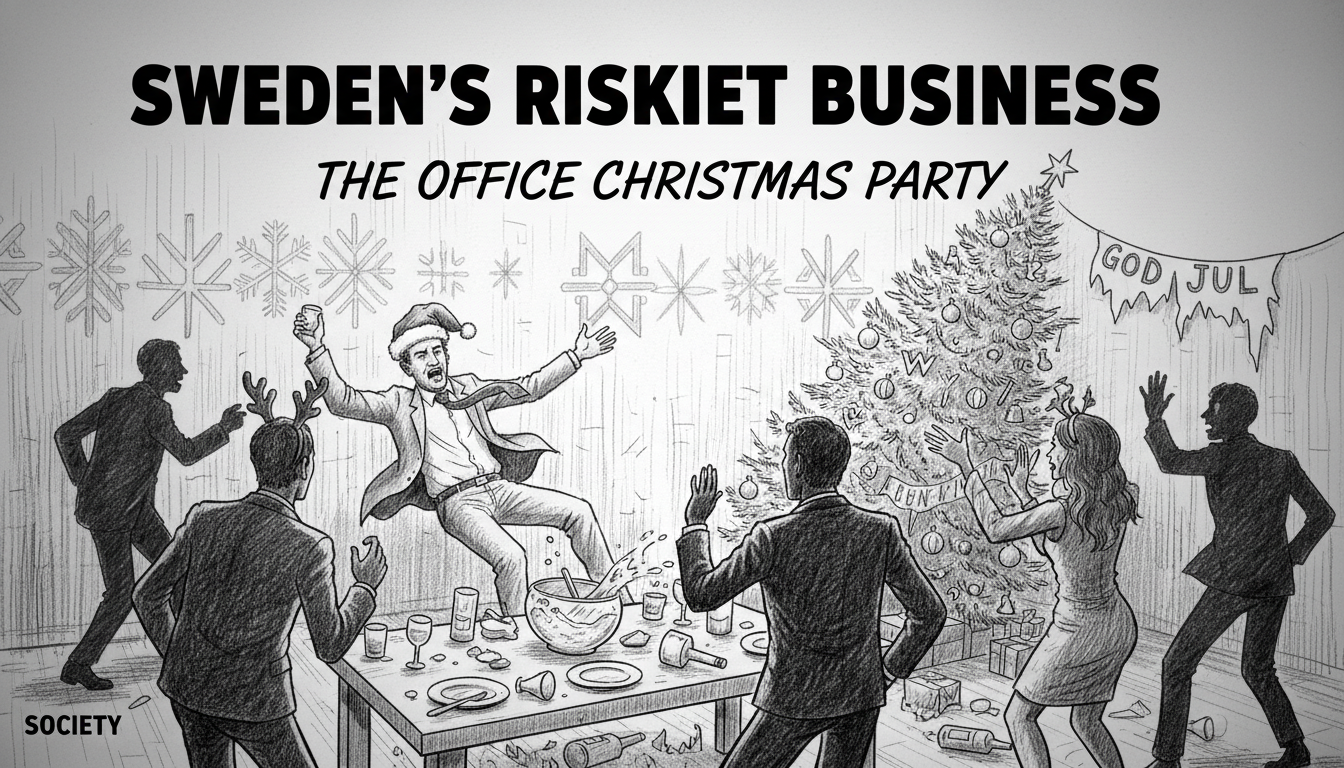
Four in ten Swedes report negative effects from alcohol at work events, turning the beloved holiday feast into a corporate liability. The traditional 'julbord,' or Christmas table, is a cornerstone of Swedish work culture. Companies from the finance towers of Östermalm to the startup hubs of Södermalm spend millions on these lavish, booze-laden buffets. Yet alcohol expert Anna Sjöström warns the festive season is a minefield for employers. 'Arguing, inappropriate flirting, and hangovers that cause shame about going to work the next day,' Sjöström states, listing the common risks. She places the responsibility squarely on management's shoulders to mitigate them.
From Festive Feast to HR Headache
The julbord is no small affair. A 2022 survey by hospitality group Visita showed 70% of Swedish restaurants offer the service. Employers typically foot the entire bill, viewing it as a key staff benefit and team-building exercise. The buffet features pickled herring, gravlax, Christmas ham, and meatballs. It also features snaps, beer, and wine in generous quantities. This combination of abundant food, free-flowing alcohol, and relaxed social boundaries creates a perfect storm. The 2019 study by Swedish alcohol organization IQ found 40% of Swedes have experienced negative consequences from drinking at company events. This statistic is a stark warning bell for HR departments across the country.
'We have a duty of care that extends beyond the office door,' says Henrik Falk, a Stockholm-based HR consultant who works with several tech scale-ups. 'The julbord is a work event, paid for by the company. Therefore, what happens there is the company's business. Swedish labor law is clear on the employer's responsibility to provide a safe environment.' Falk notes that incidents ranging from harassment to serious accidents have stemmed from poorly managed holiday parties. These events can lead to tribunal claims, toxic work environments, and costly talent departures. For a growing startup, such fallout can damage both culture and runway.
The Startup Scene's Sobering Approach
In the dynamic ecosystem of Swedish startups and scale-ups, a cultural shift is noticeable. Many young companies, particularly in fintech and tech, are re-evaluating the traditional model. They are balancing celebration with conscious culture-building. 'We skipped the formal julbord last year and did a winter ‘fika’ with a fantastic non-alcoholic glögg and gingerbread house competition instead,' says Linnéa Karlsson, CEO of a payment solutions startup in Stockholm. 'Feedback was overwhelmingly positive. People connected without the pressure, and everyone was fresh and productive the next day.'
This trend aligns with broader movements in Swedish work culture towards wellness and inclusion. Not all employees drink, some have religious considerations, and others simply prefer to avoid the associated health and social risks. A mandatory, alcohol-centric event can feel exclusionary. Venture capital firms, which closely monitor company culture within their portfolios, are taking note. 'A dysfunctional or high-risk social culture is a red flag,' notes an investor from a major Nordic VC, speaking on background. 'We ask founders about their plans for these events. It sounds minor, but it reveals a lot about their operational maturity and respect for their team.'
Expert Strategies for Risk Management
Anna Sjöström offers concrete alternatives for employers. Her primary recommendation is to opt for a 'jullunch' (Christmas lunch) instead of a dinner. 'A lunch event naturally limits the duration and the amount of alcohol consumed,' she explains. The daylight and the expectation of returning to work, even if just for the afternoon, impose a moderating structure. Her second major tip is to avoid overnight stays associated with the event. 'Removing the option of a hotel room eliminates a significant risk factor for excessive drinking and improper behavior,' Sjöström adds.
Beyond these structural changes, HR professionals advocate for clear, pre-emptive communication. This includes setting expectations about conduct, reminding staff that workplace policies on harassment and respect remain in full effect, and providing plentiful high-quality non-alcoholic options. Some firms appoint designated 'sober monitors' – responsible managers or team members who remain alcohol-free to ensure safety and assist colleagues. Another growing trend is to decouple the celebration from the sit-down dinner entirely. Companies are investing in activity-based events like curling competitions, craft workshops, or charitable volunteering followed by a relaxed, shorter meal.
The Bottom Line for Swedish Business
The julbord dilemma encapsulates a wider challenge in Sweden: modernizing deep-seated traditions within a progressive, globalized business environment. The financial cost is substantial, but the potential human and legal costs are far greater. For international employees, the Swedish julbord can be an intense cultural immersion. Managing it well is part of Sweden's employer branding on the world stage.
Ultimately, the experts agree the solution is not to cancel celebration but to curate it with intention. The goal should be an inclusive event that fosters genuine team cohesion without compulsory revelry. 'The spirit of the season is about goodwill, not hangovers,' concludes HR consultant Henrik Falk. 'A successful company event is one everyone remembers for the right reasons, and can look back on without regret or embarrassment.' As Swedish businesses, from legacy industries to nimble unicorns, plan their December calendars, the question lingers: Is the traditional, unrestrained julbord a sustainable business practice in the modern workplace?