
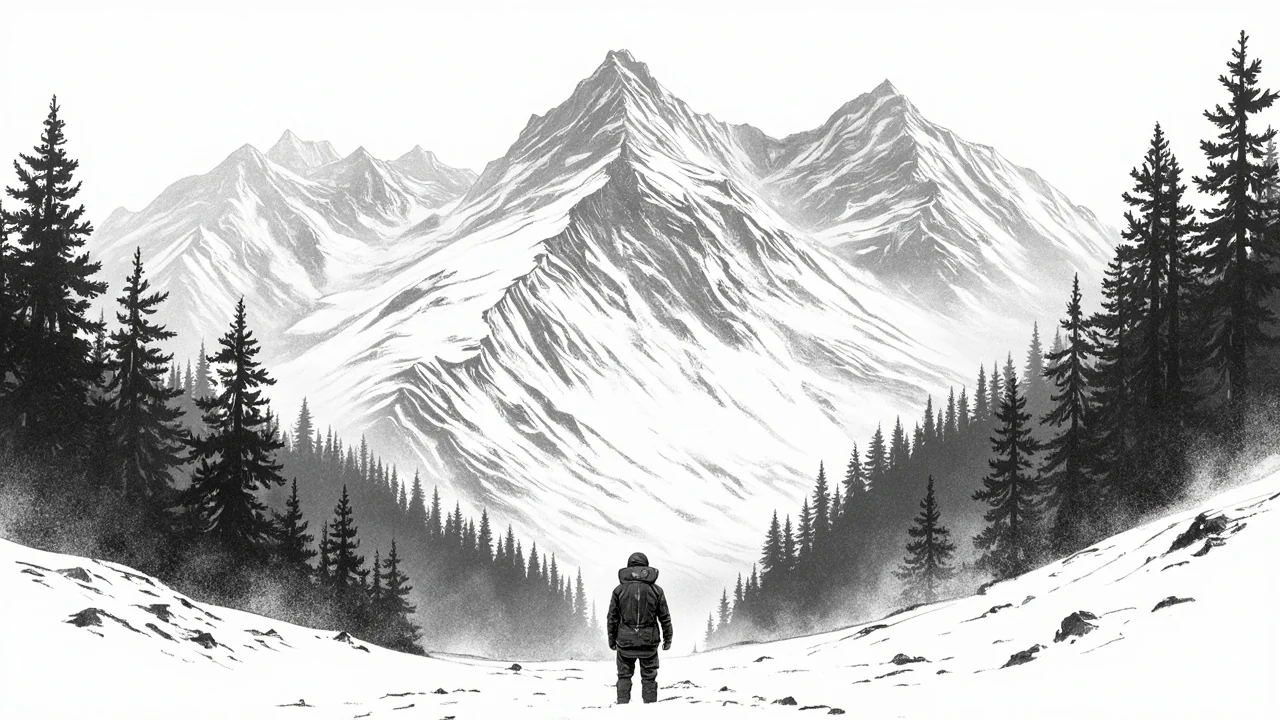
Sweden's southern Lapland mountains are experiencing significant avalanche danger this week. The Swedish Environmental Protection Agency's avalanche forecast service warns of hazardous conditions across popular winter sports areas. "We advise avoiding all steep terrain sloping north or east. In some places, you can easily trigger large and dangerous avalanhes," states the official forecast. The warning highlights a critical period for backcountry skiers and snowboarders as the winter season intensifies.
For locals in towns like Hemavan and Tärnaby, such warnings are a serious part of life. These communities, nestled at the foot of the mountains, have a deep respect for the power of nature. The forecast translates to a level three on the five-grade scale, indicating considerable danger. This means natural avalanches are possible, and human-triggered slides are likely. The instability stems from a specific snowpack structure where soft snow lies over harder, wind-packed layers.
"It's the classic weak layer problem," explains Lars Ström, a mountain safety guide with over twenty years of experience in the Vindelfjällen region. "We had a period of heavy snowfall, followed by strong winds from the northwest. That created a slab. Now, the fear is that the bond between that slab and the older snow beneath it is very fragile." Ström, who runs courses on off-piste safety, says this type of condition is particularly deceptive. It can appear stable until the weight of a single skier is enough to cause a catastrophic collapse.
A Widespread Warning Across the Fjäll
The alert doesn't stop at southern Lapland. A moderate avalanche danger—level two—is also in effect for western Vindelfjällen, southern Jämtland mountains, and western Härjedal mountains. This creates a broad zone of concern across some of Sweden's most frequented mountain regions. The Swedish Environmental Protection Agency (Naturvårdsverket) manages these forecasts through a dedicated website, Lavinprognoser.se, which has become an essential daily check for anyone heading into the backcountry.
The system relies on a network of weather stations, manual snowpack observations from mountain safety teams, and data from the Swedish Meteorological and Hydrological Institute (SMHI). Forecasters analyze how different layers of snow have formed and bonded over time. The current warning specifically singles out slopes facing north and east. These aspects have seen less sun and wind, often preserving the most dangerous, weak snow structures.
The Human Factor in Avalanche Terrain
Anna Forsberg, a Stockholm-based doctor and avid freeride skier, checks the forecast religiously before her trips. "It changes everything," she says, packing her gear for a weekend in Funäsdalen, which falls under the moderate danger zone. "A level three isn't a 'maybe.' It's a 'probably.' It means we stick to lower-angle slopes, no matter how tempting that steep line looks. We always carry beacons, probes, and shovels, and we know how to use them. But the best safety tool is the decision to avoid the danger altogether."
This cultural shift towards greater awareness is noticeable. Swedish outdoor brands prominently feature avalanche safety gear. Popular forums and social media groups are filled with discussions about snow conditions and safe route planning. The Swedish organization Friluftsfrämjandet and various ski clubs run avalanche awareness courses that are often fully booked. The message is clear: enjoying Sweden's magnificent winter landscape comes with a responsibility to understand its risks.
Beyond the Slopes: Community and Culture
The avalanche warning ripples beyond the recreational community. For the Sami reindeer herders, whose livelihood depends on moving herds across these landscapes, such forecasts are critical for planning. A large avalanche can block traditional migration routes or, in worst-case scenarios, bury animals. The knowledge of snow and terrain held within the Sami communities is a deep, generational understanding that complements the scientific data of the forecasters.
In mountain stations and hostels along the King's Trail (Kungsleden), staff brief guests about current conditions. "We have a map on the wall with the daily forecast printed out," says Mikael Pettersson, who manages a station in northern Vindelfjällen. "People come here from all over Europe. They might be expert skiers, but they don't know this specific snowpack. Our job is to make sure they have the local knowledge before they head out."
The Science of Staying Safe
The technical description in the forecast points to the core of the danger: places where soft snow transitions to harder, wind-packed surfaces. This creates what scientists call a "persistent weak layer." The softer snow underneath cannot support the cohesive slab on top. The tension is invisible from the surface. A stability test, like digging a snow pit to examine the layers, can reveal the problem. But on a level three day, experts advise against relying solely on such tests in steep terrain, as conditions can vary dramatically over short distances.
"The mountain doesn't care about your experience level," notes guide Lars Ström. "I've seen expert mountaineers get caught because they trusted a slope that 'looked fine.' The forecast is your first and most important piece of information. It tells you what the mountain is capable of today. Then, you make conservative choices based on that." The conservative choice, under a level three warning, often means sacrificing the thrill of a steep descent for the security of a safer route.
Looking Ahead in a Changing Climate
This current event fits into a broader pattern being studied by Swedish researchers. While avalanche danger is a natural part of the Scandinavian mountain environment, climate change is influencing snowpack structure. Warmer winters can lead to more frequent freeze-thaw cycles, creating different types of instability. The work of the forecasters is becoming increasingly complex as historical patterns shift.
For now, the warning stands. The beautiful, snow-covered slopes of southern Lapland hold a hidden risk. The communities that live in their shadow, and the visitors they welcome, must navigate this reality. The forecast is more than just a bulletin; it's a crucial thread in the fabric of Swedish outdoor culture—a reminder of the respect demanded by nature's grandeur. As the weekend approaches and more people travel to the mountains, the question remains: will everyone choose to listen?