
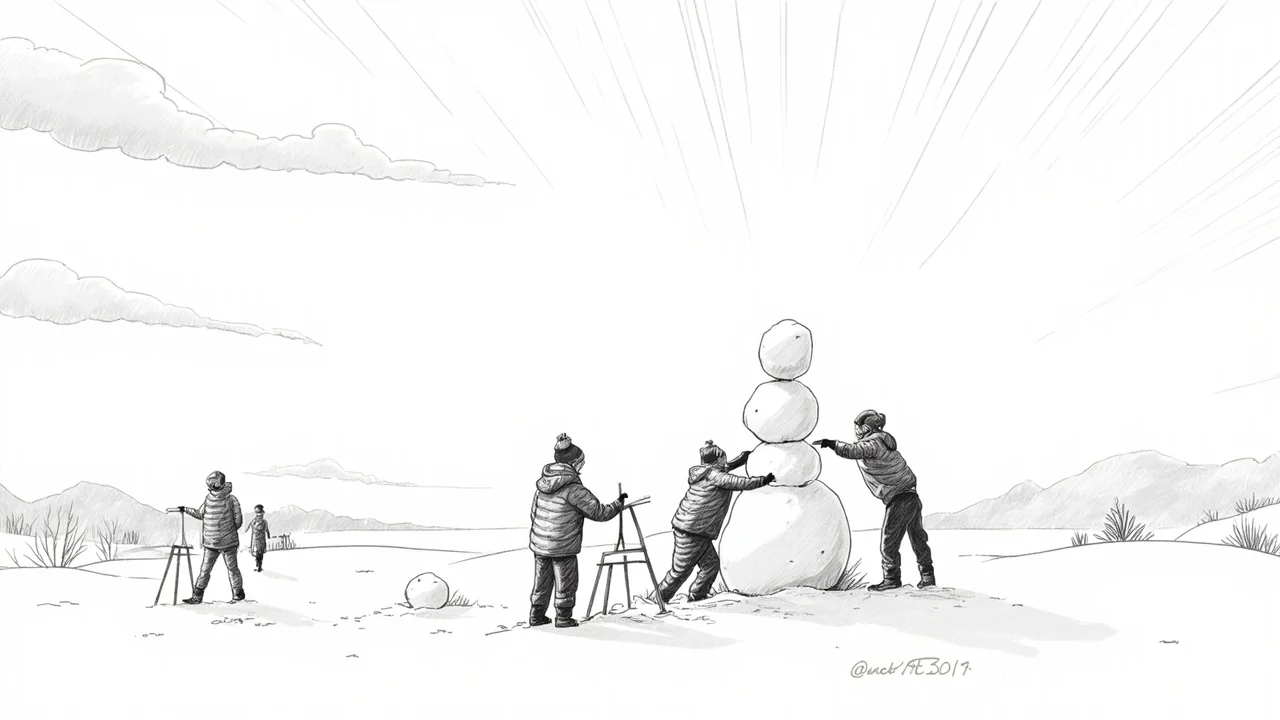
Sweden's west coast is trading snow chaos for a weekend of brilliant sunshine and biting cold. After days of heavy snowfall, Gothenburg is now bracing for clear skies and temperatures plunging towards minus ten degrees Celsius. The dramatic shift promises perfect winter light but spells disappointment for anyone hoping to build a classic snowman.
"There's no more snow in sight, and right now it looks mostly clear," says Niklas Einevik, a meteorologist with the Swedish Meteorological and Hydrological Institute (SMHI). "It's a bit cloudy during the day, but tonight it clears up and the winds bring down the cold. Tomorrow morning, it could get close to minus ten."
This is the quintessential Swedish winter paradox. The weather offers stunning, postcard-perfect scenes under a sharp blue sky, yet the very conditions that create this beauty make traditional winter play nearly impossible. For families across the city's neighborhoods like Majorna, Haga, and Linnéstaden, the weekend presents a choice: embrace the crisp, invigorating cold or retreat indoors with a cup of glögg.
From Snow Chaos to Arctic Clarity
The shift marks a stark end to a period of disruptive snowfall that blanketed the Gothenburg region. Streets were buried under a heavy, wet layer, testing the city's preparedness and the patience of commuters. Now, that same snowpack is set to act as a natural refrigerator. Northeasterly winds will sweep across it, locking in the cold air.
"On Saturday, it should be mostly sunny, and around 10 to 15 degrees below zero," Einevik explains. "The same goes for Sunday, and it could even get colder then because the snow retains the cold."
This phenomenon is well-known in Sweden. A thick snow cover reflects sunlight and actively cools the air above it, leading to these intense, clear winter spells often called klarblåst or clear and windy. It’s the weather of classic winter paintings and the reason Swedes invest so heavily in high-quality, stylish winter clothing. Function meets fashion when the mercury drops this low.
The Cultural Snöbollsdilemma (Snowball Dilemma)
Here lies the weekend's cultural conflict. The weather is ideal for a brisk walk along the frozen Göta älv river, photographing the iconic Feskekôrka fish market dusted with snow, or enjoying a fika in a cozy café. However, it fails the most basic test of childhood winter: snowball and snowman quality.
"It won't be packing snow; for that, it needs to be closer to zero," says Einevik. "So if you want to make snowmen, you might be disappointed. You'll have to hope for milder weather next week."
This is a genuine point of discussion in Swedish society, where seasonal activities are deeply woven into the annual rhythm. The inability to build a snögubbe or have a proper snowball fight represents a small but tangible loss of winter joy. It turns the snow from a playful medium into a purely decorative, albeit beautiful, landscape feature. Parents on social media and in playgrounds will likely be heard explaining, "Snön är inte kramsnö, älskling" (The snow isn't packing snow, darling).
Embracing the Stiliga Winter Lifestyle
So, what does one do in a Gothenburg gripped by such picturesque frost? The Swedish concept of friluftsliv—open-air living—doesn't pause for the cold. It adapts. The weekend will see residents layering up in functional woolens, their silhouettes crisp against the bright white snow.
Areas like Slottsskogen park will fill with people on skis or simply out for a walk, their breath forming clouds in the still air. The winter markets may see fewer casual strollers, but those who venture out will be treated to steaming cups of hot chocolate without the crowds. It’s a time for embracing mys—that untranslatable Swedish word for cozy contentment. Lighting candles, baking kanelbullar (cinnamon buns), and watching the sun set early over the icy cityscape become the main events.
This weather also highlights the Swedish infrastructure built for extremes. Heated bus shelters, well-maintained bike paths even in winter, and buildings engineered to retain heat all become quietly appreciated. The society is built to function, albeit at a slower, more deliberate pace, when winter bites hardest.
Looking Ahead to an Uncertain Forecast
The crystal-cold weekend offers a temporary reprieve, but the Swedish winter is never static. According to meteorologists, the coming week brings a new weather system from the west. The forecast remains uncertain, but it is expected to bring milder air without any significant new precipitation.
This could create a new set of conditions: slush, ice, and the grey, damp chill many find less appealing than the dry, severe cold. It might also, crucially, warm the snowpack just enough to finally create that elusive kramsnö for next weekend. The cycle of Swedish winter continues, each phase with its own character and challenges.
For now, Gothenburg is pausing in a state of frozen beauty. The weekend’s severe cold is a reminder of nature’s power in a nation that has learned to respect it. It strips away the messiness of melting snow and replaces it with a stark, clean, and demanding clarity. The city will glitter under the sun, a spectacle best enjoyed from behind a window with a warm drink, or bravely experienced firsthand wrapped in layers of wool. The snowmen will have to wait, but the winter postcard is ready.