
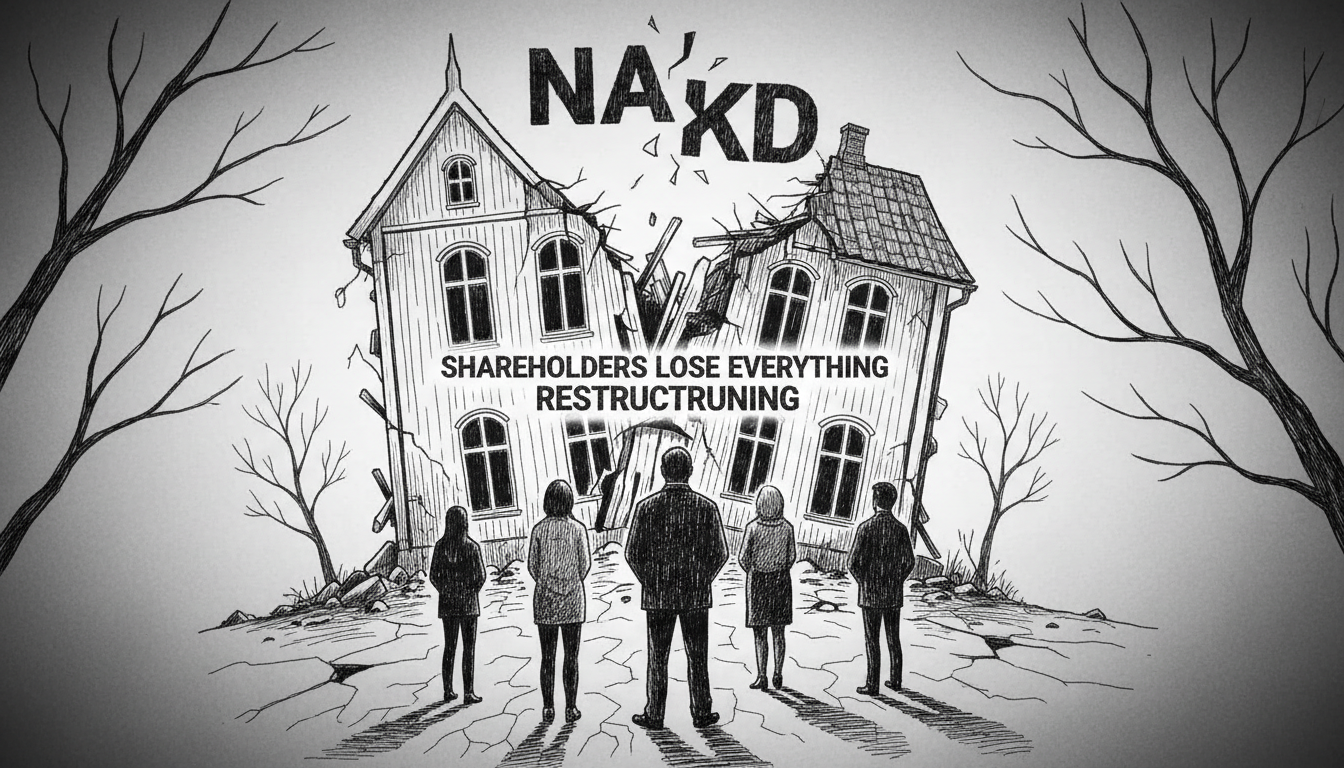
Nakd fashion company shareholders face total losses after court-approved reconstruction. The Gothenburg-based retailer entered restructuring proceedings last December. After nearly a year, the district court finally approved the reconstruction plan. This decision wipes out all shareholder value completely.
The Swedish fashion market shows increasing strain on traditional retailers. Nakd struggled with declining sales and mounting debts. The company operated numerous stores across Sweden before its financial collapse. Market analysts note similar pressures affecting other Nordic fashion chains.
Stockholm's Östermalm district housed Nakd's flagship location until recently. The upscale shopping area faces retail vacancies from multiple brand closures. Södermalm's fashion scene also felt the impact of Nakd's disappearance from high streets.
Nordic retail restructuring follows strict Swedish bankruptcy laws. Creditors typically recover some funds while shareholders bear maximum risk. The Swedish legal system prioritizes employee wages and tax claims during such proceedings.
International investors in Swedish startups should note this cautionary tale. Venture capital firms increasingly scrutinize retail business models. The Nordic innovation hub produces many successful tech companies but retail remains challenging.
What does this mean for Sweden's retail landscape? Physical fashion stores face unprecedented pressure from e-commerce. Consumer spending patterns shifted dramatically in recent years. Many shoppers now prefer online purchasing over traditional brick-and-mortar experiences.
Gothenburg's business community absorbs another corporate failure. The port city hosts numerous Swedish startups and established companies alike. Local economic development officials express concern about the retail sector's future.
Swedish venture capital funding increasingly bypasses traditional retail concepts. Investors favor technology-driven business models with scalable potential. The Nordic fintech sector continues attracting substantial investment while retail struggles.
The reconstruction process involved extensive negotiations with creditors. Company representatives worked for months to develop an acceptable plan. Employees faced uncertainty throughout the lengthy legal proceedings.
This outcome reflects broader challenges in European fashion retail. Multiple international brands have exited the Swedish market recently. Consumer preferences evolve rapidly while operating costs continue rising.
Nordic business districts must adapt to changing retail realities. Property owners consider alternative uses for vacant storefronts. Some locations might convert to offices or residential spaces instead.
The Swedish business innovation scene learns from these market adjustments. Entrepreneurs now approach retail concepts with greater caution. Investors demand clearer paths to profitability before committing funds.
Stockholm business district vacancies concern city planners and economists. They worry about reduced foot traffic affecting surrounding businesses. The urban ecosystem relies on vibrant retail to maintain neighborhood vitality.
Gothenburg faces similar challenges with its commercial real estate market. Local officials explore incentives to attract new retailers. The city aims to preserve its reputation as a regional shopping destination.
Nordic innovation hubs typically focus on technology rather than traditional retail. This specialization might explain the sector's struggles in the region. Successful Swedish startups often emerge from tech incubators rather than retail backgrounds.