
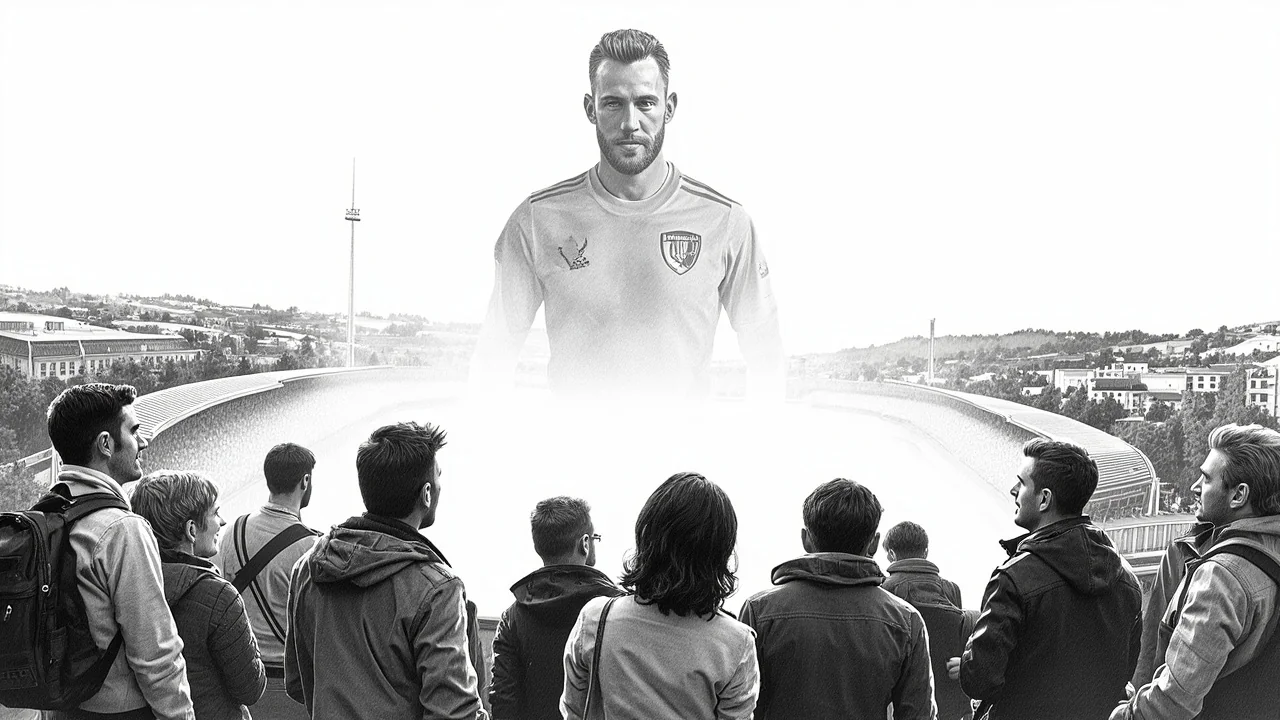
The Swedish government continues its legislative agenda from the Riksdag building in Stockholm. Swedish Parliament committees review new proposals daily. This political machinery operates alongside significant cultural trends. One such trend involves Swedish sports consumption patterns. Recent data reveals intense Swedish interest in an upcoming English football match. Search volumes for 'arsenal vs liverpool' in Sweden have surpassed one thousand queries. A related search for 'Viktor Gyökeres startar för Arsenal' adds another five thousand searches. This demonstrates a clear public focus beyond Stockholm politics.
Government policy in Sweden often addresses national identity and cultural engagement. The Riksdag has previously debated media rights and sports broadcasting. This football interest presents a cultural counterpoint to official Riksdag decisions. Analysts note this occurs while ministers at Rosenbad work on domestic reforms. The data suggests a population engaged in global culture. This happens simultaneously with close scrutiny of Swedish government actions.
The player focus involves Swedish striker Viktor Gyökeres. His potential start for Arsenal against Liverpool captivates local fans. This individual narrative intersects with broader Swedish support for international sports. The Premier League's global appeal finds a strong audience in Sweden. This consumption exists independently of the political discourse in government districts. It reflects a multifaceted society where policy and passion coexist.
Historical context shows Sweden has long been a football nation. The domestic Allsvenskan league commands loyalty. Yet international leagues, particularly the English Premier League, garner massive viewership. This external cultural consumption is a persistent feature. It continues regardless of the electoral cycle or specific government policy Sweden enacts. The data simply quantifies an enduring reality.
What does this mean for the Swedish government? It highlights a division of public attention. Citizens can follow complex Riksdag decisions on a Monday. They can then track a London football match on a Sunday. This dual engagement is the modern norm. Policy makers recognize this fragmented focus. Communications from Rosenbad must compete with global entertainment. This is the unchanged landscape for Swedish political messaging.
The match itself carries sporting significance. Arsenal and Liverpool are historic English clubs. Their rivalry influences league standings. For Swedish fans, the Gyökeres angle adds a layer of national pride. His performance is a point of collective interest. This shared experience unfolds in living rooms across the country. It is a unifying event outside the framework of official Swedish Parliament business.
In essence, the search data tells a simple story. Swedes are passionate about football. They follow their compatriots abroad with keen interest. This cultural fact remains steady. It persists through changes in administration and shifts in government policy Sweden. The Riksdag governs, but the people also live their lives. Their interests are diverse and often globally oriented. This report connects a sports story to the constant backdrop of Swedish political life. The machinery of state continues its work in Stockholm. Meanwhile, the public's eyes turn, at least for ninety minutes, toward a pitch in North London.