
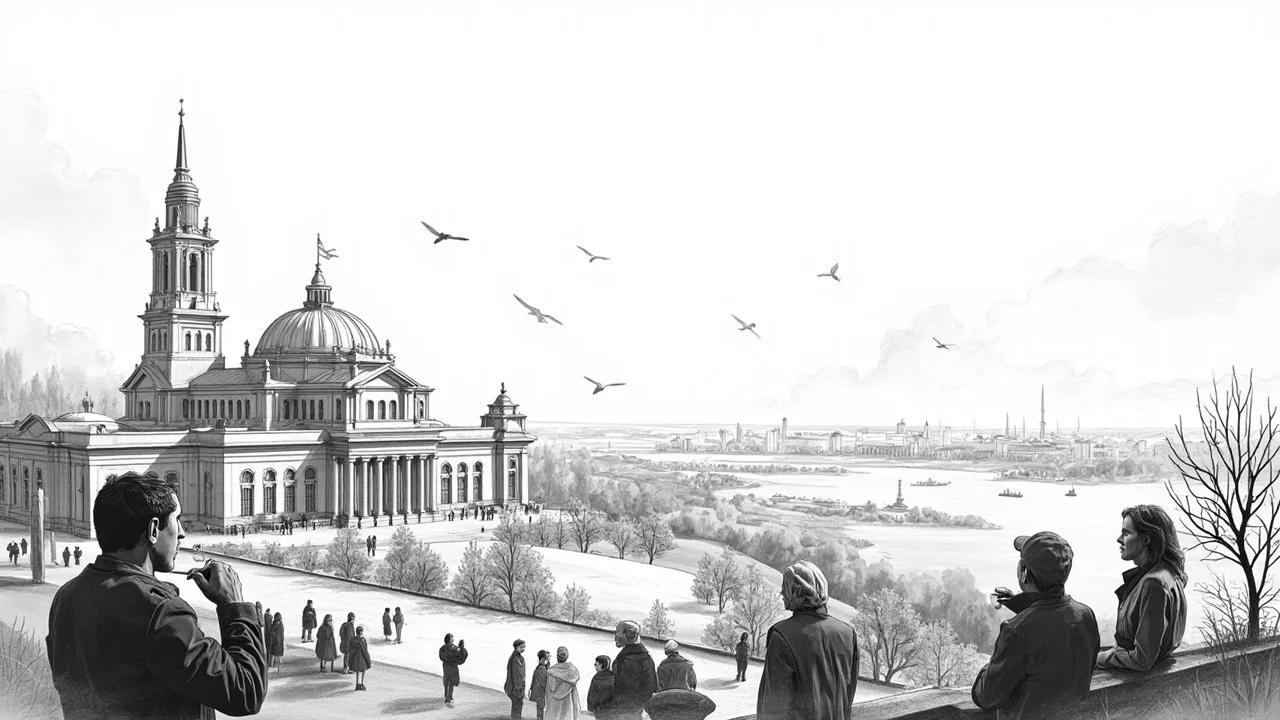
The Swedish government faces renewed questions about arts education funding. This follows data showing exceptionally high public interest in learning to draw. The Riksdag building in Stockholm has hosted previous debates on cultural policy. Ministers must now consider if current programs meet this clear public demand.
Data indicates Sweden leads Nordic searches for beginner drawing tutorials. This trend reflects a broader societal shift toward creative hobbies. The Ministry of Culture has historically supported arts through specific grants. Policy documents like the Cultural Cooperation Model outline state support for amateur arts.
Education Minister Lotta Edholm recently addressed the Riksdag on curriculum matters. She noted the balance between core subjects and creative development. 'The school's mission includes fostering creativity,' Edholm said in a committee hearing. Her statement referenced the national curriculum's goals for aesthetic expression.
A parliamentary committee reviewed arts education funding last year. The final report suggested modest increases for municipal cultural schools. The vote passed with support from the governing coalition and some opposition parties. The decision allocated funds specifically for equipment and instructor training.
Historical context is important for this discussion. Sweden has a long tradition of folkbildning, or popular adult education. Study associations and municipal adult education programs often include drawing courses. These institutions operate with partial government funding distributed by county councils.
The data presents a clear policy implication. High search volume signals unmet public need for accessible art instruction. This occurs despite existing structures like community centers and folk high schools. The question is whether current government policy in Sweden adequately channels this interest.
Analysts point to the potential benefits of state-supported creative pursuits. Drawing and similar activities can support mental well-being. They may also reduce public health costs linked to stress. This creates an economic argument for increased investment in arts accessibility.
From a bureaucratic view, responsibility is split. The Ministry of Culture handles broad cultural policy and grants. The Ministry of Education and Research oversees school curricula and municipal adult education. This division can sometimes slow coordinated policy development.
The next steps likely involve inter-ministerial discussions. Officials from Rosenbad may review the data on public interest. They could then propose adjustments to existing cultural grant frameworks. Any major funding change would require a new Riksdag decision and budgetary review.
The situation reveals a common challenge. Public interest often moves faster than government policy Sweden can adapt. The high search numbers show citizens proactively seeking skills. The state's role is to decide if and how to support this grassroots movement.
This is not just about drawing. It touches on wider issues of lifelong learning and community cohesion. Access to creative outlets can strengthen civil society. It provides neutral spaces for social interaction across different groups.
The government must weigh these social benefits against fiscal constraints. Allocating new funds requires cutting elsewhere or raising taxes. In the current economic climate, both options present political difficulties. The coming budget negotiations will show the priority given to this area.
For international observers, this is a classic Nordic policy case. It shows how data on citizen behavior can inform political debate. The process will be transparent, with committee reports and public votes. The outcome will demonstrate the current Swedish government's values regarding culture and education.