
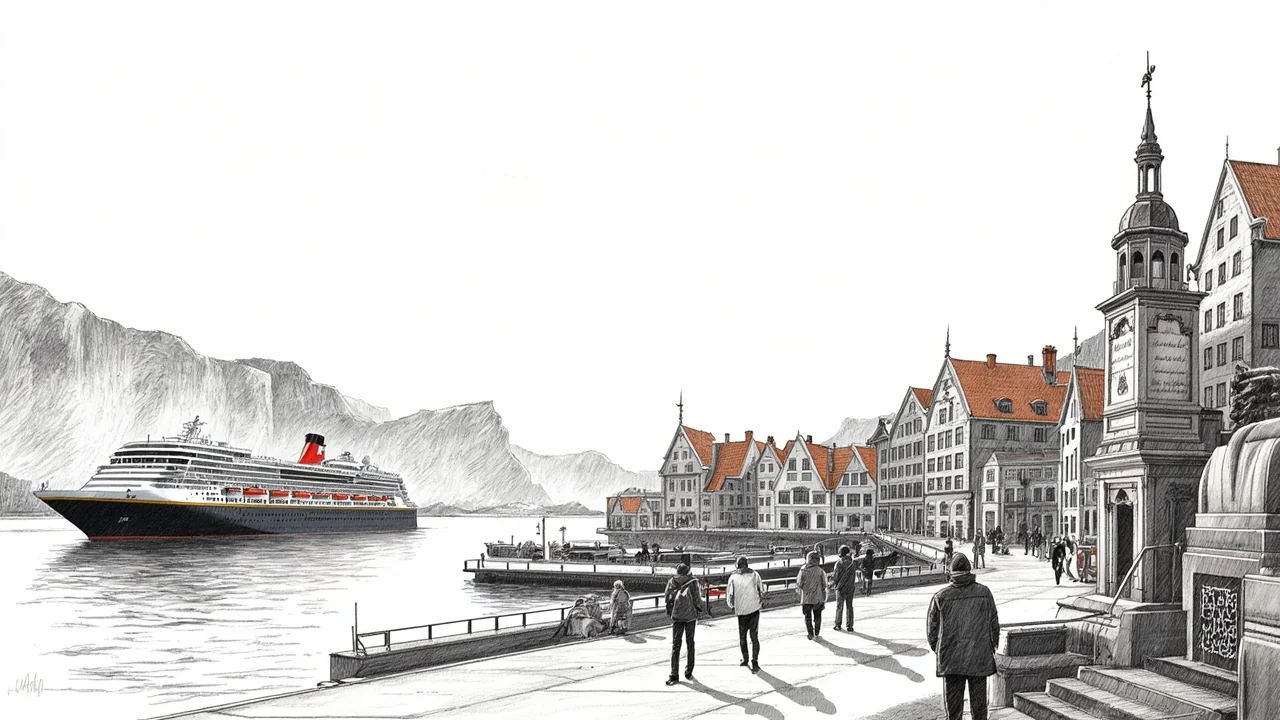
A projected surge in European cruise travel is placing new pressure on Swedish port infrastructure and environmental regulations. The Swedish government now faces critical decisions on managing increased maritime traffic, particularly in sensitive fjord regions. This comes as major cruise lines, including Holland America Line, announce expanded itineraries focusing on Nordic destinations like the Northern Fjords.
Industry reports indicate a strong recovery and growth phase for European cruising. Bookings for voyages to the Norwegian fjords and Baltic Sea are rising sharply. The Swedish Parliament will likely need to review port capacity and environmental oversight frameworks. Increased traffic in the Stockholm archipelago and other key areas demands coordinated policy.
Minister for Infrastructure and Housing, Andreas Carlson, has acknowledged the need for assessment. 'Balancing tourism growth with environmental sustainability and community impact is a priority,' Carlson said in a recent committee hearing. The government must evaluate the adequacy of current port fees and waste management protocols for larger vessel volumes.
Historical context shows the Riksdag has previously tightened regulations on maritime emissions in territorial waters. The current framework, established under the previous administration, may require updates. Key policy documents like the National Maritime Strategy and the Tourism Industry Action Plan are under review. The surge presents both an economic opportunity and a regulatory challenge for Stockholm politics.
For Nordic readers, this trend directly impacts local economies and environments. Port cities like Stockholm, Gothenburg, and Nynäshamn could see substantial economic benefits from passenger spending. Conversely, communities near pristine fjords express concerns about pollution and overcrowding. The Swedish government's response will set a precedent for sustainable maritime tourism.
The bureaucratic process will involve multiple agencies. The Swedish Maritime Administration, the Swedish Environmental Protection Agency, and local port authorities must align their directives. Decisions made in the Riksdag building will filter through to regional implementation. Stakeholder consultations with coastal municipalities and the tourism sector are expected this quarter.
Analysts note the government must act proactively. Waiting for peak season congestion or an environmental incident would be a political misstep. The opposition has already called for a clear stance on sustainable cruise tourism. This issue tests the coalition's ability to reconcile economic and environmental goals within its government policy for Sweden.
What happens next involves concrete Riksdag decisions. Proposals for adjusting port infrastructure funding or amending the Environmental Code could emerge. The timeline for any legislative changes would span several parliamentary sessions. The government's approach will signal its commitment to managing growth responsibly. International observers will watch how Sweden navigates this complex intersection of business, environment, and community interests.