
A major healthcare scandal is unfolding in southern Sweden as regional authorities cut ties with another medical clinic. The situation involves serious questions about patient care quality and financial accountability. This case highlights ongoing challenges within Sweden's healthcare system.
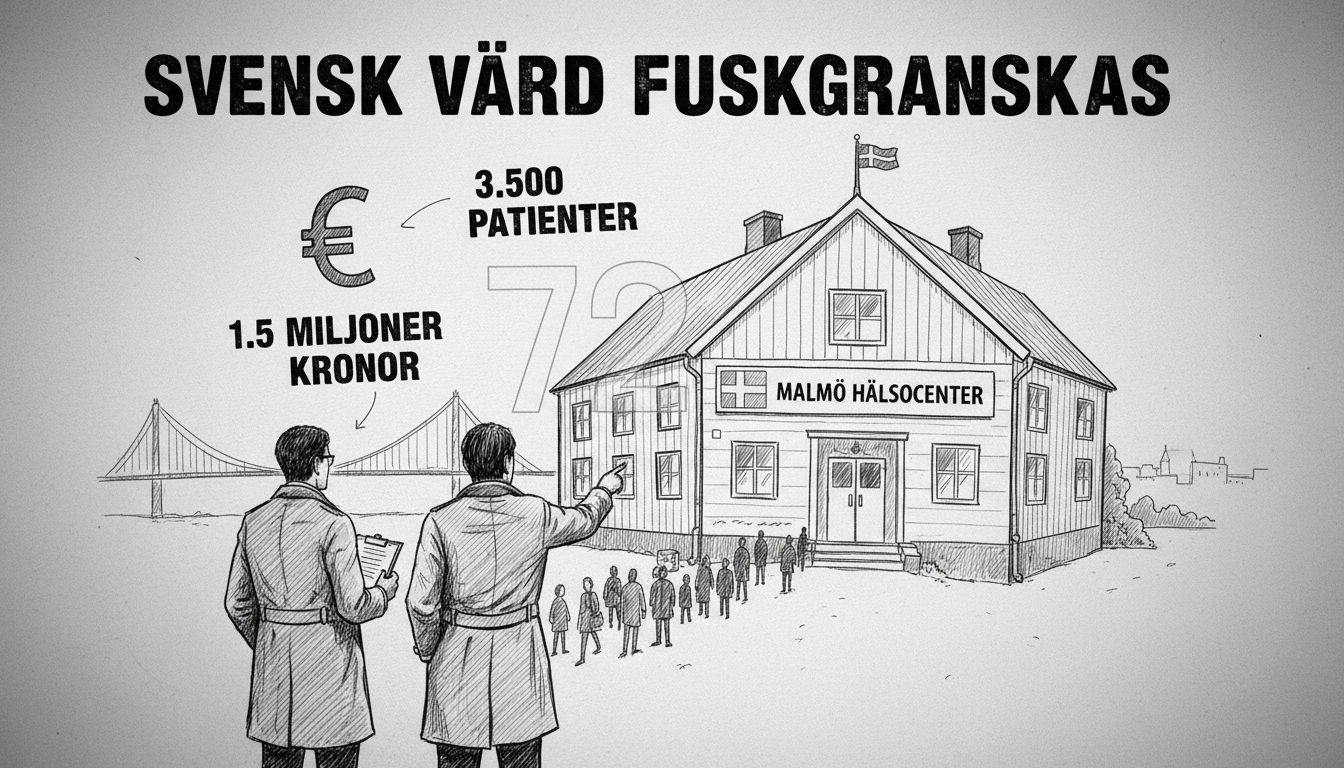
Regional investigators discovered shocking patient contact numbers at one Malmö clinic. Records show a single doctor logged 72 patient interactions in just one day. This included 51 physical appointments and 21 telephone consultations. The regional healthcare system paid approximately 953,000 Swedish kronor for that single day's work.
Now authorities are demanding the clinic repay the money plus penalties. The total claim reaches 1.5 million kronor. Officials say many remote consultations failed to meet basic requirements. They believe some services never actually occurred.
Medical quality concerns also emerged during the investigation. Diabetes patients received substandard care in most cases. Treatment guidelines were frequently ignored. This puts vulnerable patients at serious risk.
About 3,500 patients are affected by the clinic's closure. They will automatically transfer to their nearest alternative healthcare centers. The region has terminated contracts with several clinics recently. This suggests broader systemic issues.
Swedish healthcare operates through regional government management. Each region oversees medical services for its residents. This structure aims to provide universal healthcare access. Recent years have seen increasing strain on the system.
Healthcare fraud investigations have become more common across Sweden. The national system faces pressure from growing populations and budget constraints. Malmö's diverse population adds complexity to healthcare delivery. The city has seen significant demographic changes.
International residents in Sweden should understand how healthcare transitions work. When clinics close, patients receive automatic reassignment. They can also choose their preferred healthcare provider online. The system aims to minimize disruption.
This case raises questions about healthcare oversight. How can authorities better monitor service quality? What prevents similar situations elsewhere? Swedish society values trust in public institutions. Cases like this challenge that trust.
The investigation continues as officials examine the full scope of the issues. Patient safety remains the primary concern. The region filed a police report about suspected fraud. This could lead to criminal proceedings.
Sweden's healthcare model typically earns high international rankings. Recent challenges test its resilience. The system must balance accessibility with quality control. This case shows what happens when that balance fails.
Patients with concerns about their care should contact regional health authorities directly. They can request their medical records for review. Swedish law provides strong patient rights protections.
The coming months will reveal how this case affects broader healthcare policies. Other regions may tighten their oversight procedures. The national government might consider regulatory changes. Sweden's commitment to quality healthcare will likely drive reforms.