
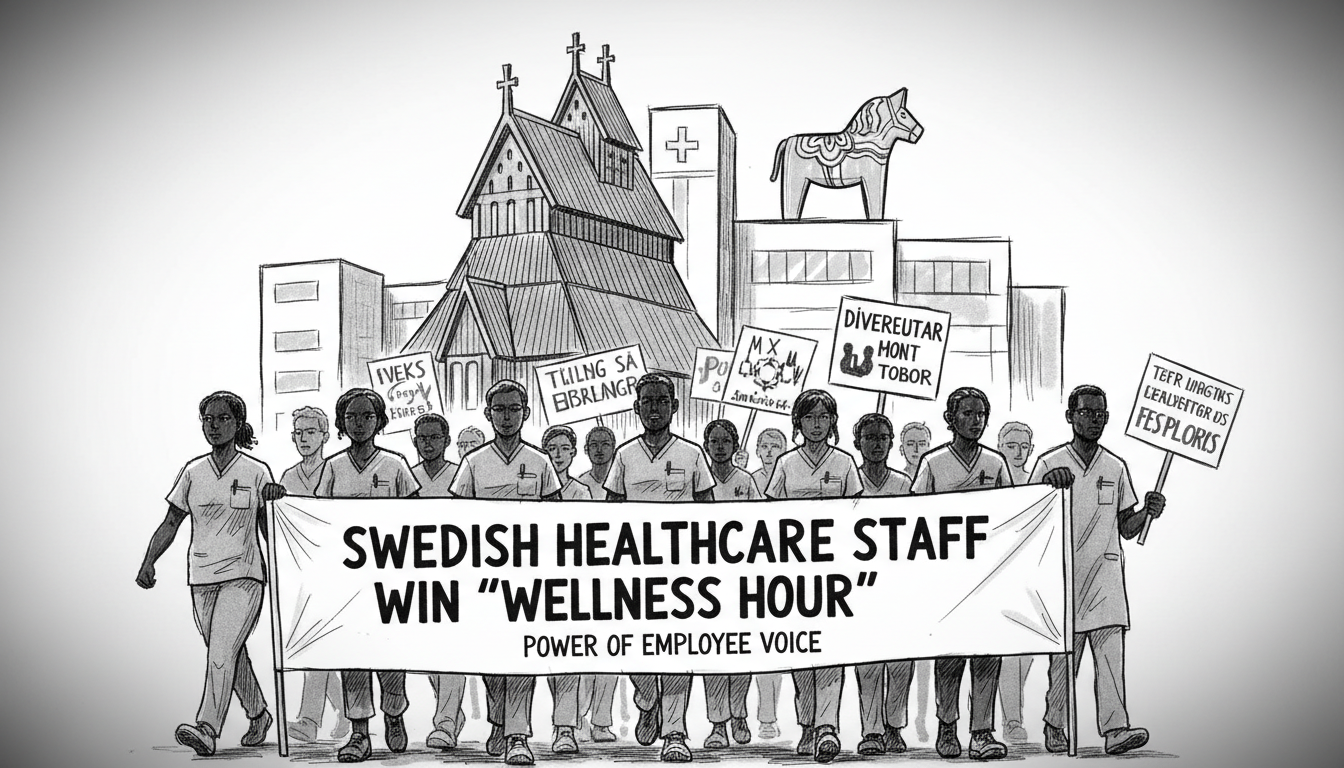
A major Swedish healthcare provider has reversed a controversial decision. The move came after strong internal protests from its own staff. The provider had planned to remove a cherished employee benefit known as the 'friskvårdstimme' or wellness hour. This weekly hour of paid time for physical activity is a common perk in Swedish workplaces. It is seen as key for preventing burnout in demanding sectors like healthcare.
News of the cut did not go down well. Employees took to the company's internal network to voice their frustration. One called the decision "bad and ill-considered." Another labeled it a "short-sighted and unfortunate move." A third pointed out perceived hypocrisy, noting the company wants to be a good employer but removed a benefit that doesn't cost much in real money. These reactions highlight a deep cultural value in Sweden. Worker well-being is not just a slogan but an expected part of the social contract.
The protests worked. Management listened and decided to keep the wellness hour. A press representative for the healthcare provider confirmed the reversal. The story is still developing as officials prepare a fuller comment on the changed decision. This episode is about more than just an hour of gym time. It is a snapshot of Swedish workplace culture and the power of collective voice. In Stockholm, from the hospitals in Solna to the clinics in Södermalm, this benefit helps staff manage high-stress jobs. It is a small but symbolic part of what makes the Swedish labor model unique.
For international readers, this might seem like a minor issue. In the context of Swedish society trends, it is significant. Sweden has a strong tradition of negotiating working conditions through unions and dialogue. The swift reversal shows that even large organizations must heed employee sentiment. It also underscores the importance placed on preventive health, or 'friskvård'. This concept is woven into the fabric of Swedish lifestyle, from employer-sponsored activities to public running trails and 'Allemansrätten' – the right to roam in nature.
The decision to back down is a pragmatic one. Healthcare is facing staffing shortages across the country. Removing a low-cost benefit that boosts morale and health would be counterproductive. It would send a terrible signal to a workforce already under immense pressure. The management's quick U-turn is a clear admission of that. They recognized a mistake before it caused real damage to trust and retention. In the end, this story is a win for common sense and a reminder of the Nordic balance between efficiency and humanity in the workplace.