
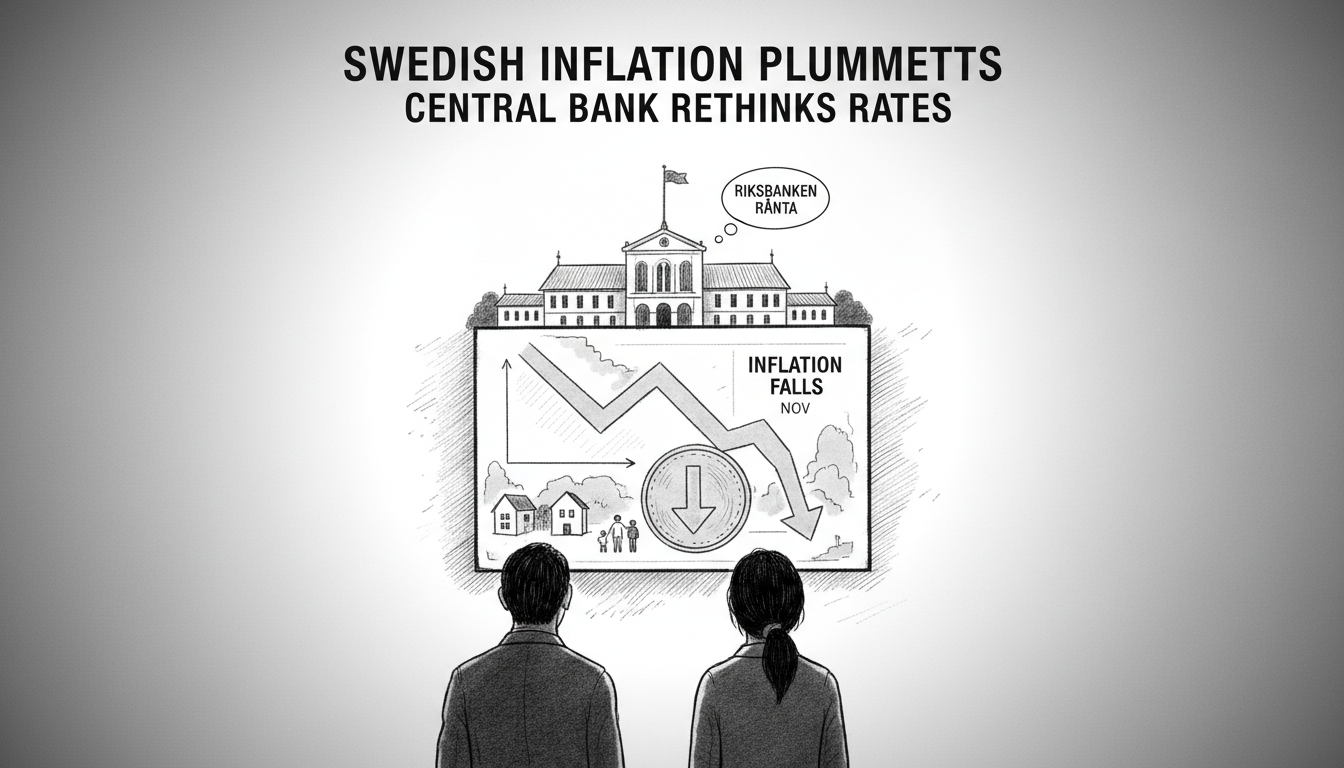
A surprise drop in Swedish inflation is sending ripples through the economy. Prices rose just 2.3 percent in November, down from 3.1 percent the previous month. This preliminary data, which excludes household mortgage costs, came in well below expectations. Two of Sweden's top inflation experts now warn this is just the beginning. They predict even lower price increases ahead. This trend could force the country's central bank to reconsider its entire monetary strategy.
For everyday Swedes, this news feels like a cautious sigh of relief. In Stockholm's Södermalm district, shoppers at the Hötorget market note subtle changes. 'I noticed milk and bread were a bit cheaper this week,' says local resident Elin. 'It's not much, but it helps.' This sentiment echoes across neighborhoods from Vasastan to Östermalm. After a prolonged period of financial strain, any positive shift is welcome. The high cost of living has been a dominant topic at fika tables and in media debates for years.
The sharp decline is more than a statistical blip. It represents a potential turning point. The central bank, the Riksbank, has aggressively raised interest rates to combat inflation. This policy has squeezed homeowners with variable-rate mortgages and cooled the housing market. If inflation continues to fall faster than predicted, pressure will mount for a change in course. Lower interest rates could follow, providing relief to indebted households. This scenario would mark a significant shift in Sweden's economic landscape.
Understanding this requires a look at the Swedish model. The country maintains a strong social safety net, but high inflation erodes its value. Pensions and benefits are indexed to inflation, so lower price growth helps preserve public finances. For international residents and expats, this news impacts everything from rent to grocery bills. Sweden's economy is deeply export-dependent, so stable prices are crucial for maintaining global competitiveness. The current trend suggests internal economic pressures are easing faster than analysts thought.
What does this mean for the future? The experts' warning points to a complex reality. A rapid disinflation could swing the focus from curbing prices to stimulating growth. The Riksbank faces a delicate balancing act. Move too slowly, and it risks unnecessary economic pain. Move too quickly, and inflation could flare up again. For now, the data provides a clear signal. The economic winds are shifting. The coming months will reveal if this is a lasting change or a temporary dip. One thing is certain. The conversation in Sweden is moving from crisis management to cautious optimism.