
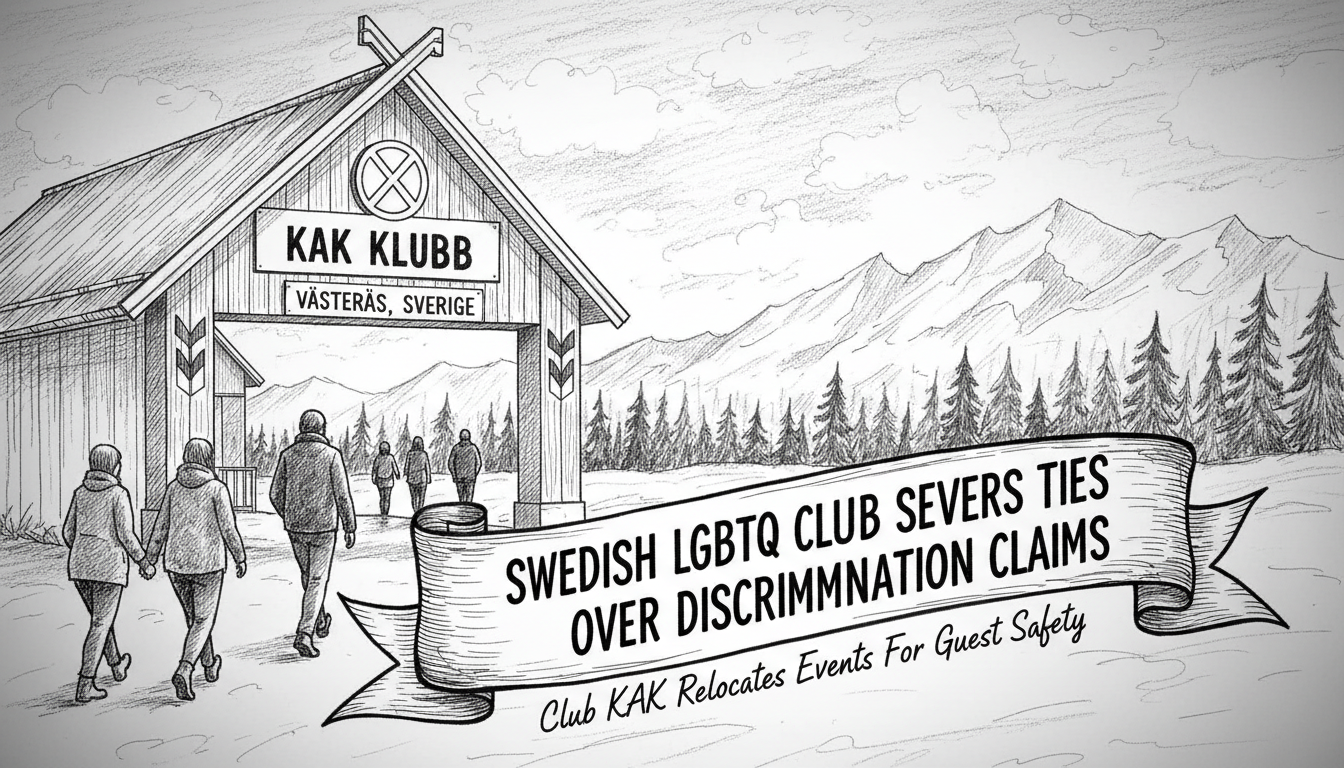
A prominent Swedish LGBTQ event organizer has terminated its partnership with a Västerås nightclub following multiple discrimination complaints. Club KAK announced it will no longer host events at Fenix nightclub after guests reported experiencing homophobic harassment during their recent gathering.
Event organizer Daniel Larsson confirmed receiving multiple complaints from attendees. These individuals reported being subjected to harassment from external persons during the club night. Larsson expressed deep concern about the incidents in a public statement. He emphasized that such problems had never occurred at their previous events.
Nightclub owner John Garabet has strongly denied the discrimination allegations. He maintains that he received no formal complaints about the event. Garabet and his staff considered the evening successful with satisfied guests according to their assessment.
The conflict escalated when Garabet became upset about media coverage of the incident. He expressed concern that publicity might create public perception of Fenix as a permanent gay club. This reaction contributed to Club KAK's decision to seek alternative venues.
Larsson explained the practical considerations behind their original venue choice. The Fenix location perfectly suited their event requirements with limited time available for finding alternatives. The organizer confirmed they will continue their popular events at different locations moving forward.
This situation highlights ongoing challenges facing Sweden's LGBTQ community despite the country's progressive reputation. Sweden maintains comprehensive anti-discrimination laws protecting sexual orientation and gender identity. The Swedish government has implemented numerous policies supporting LGBTQ rights through Riksdag decisions.
Recent government policy in Sweden has emphasized strengthening equality protections. The Swedish Parliament continues debating measures to combat discrimination in public accommodations. Stockholm politics frequently addresses inclusion issues affecting minority communities.
Similar incidents have occurred previously in Swedish nightlife despite legal protections. Many LGBTQ venues maintain exclusive partnerships to ensure guest safety. The Swedish government's equality initiatives face practical implementation challenges across different regions.
International observers often view Sweden as a leader in LGBTQ rights. This case demonstrates how discrimination can persist even in progressive societies. The response from authorities and community organizations will be closely monitored.
Club KAK's experience raises questions about enforcement of Sweden's discrimination laws. Business owners face legal obligations to protect all customers under Swedish legislation. The case may prompt broader discussions about accountability in the hospitality industry.
Västerås municipal authorities could potentially review the nightclub's operating license. Swedish local governments maintain authority over entertainment venue regulations. Previous similar cases have resulted in formal investigations and sanctions.
The Swedish legal system provides multiple avenues for discrimination complaints. Victims can approach the Equality Ombudsman or pursue civil litigation. Sweden's robust legal framework offers protections, but implementation remains key.
This development comes amid ongoing national conversations about inclusion in Swedish society. The Swedish government recently announced new initiatives to combat hate crimes. Riksdag decisions have allocated additional resources for equality enforcement.
Nightlife safety concerns affect both Swedish residents and international visitors. Sweden's tourism industry emphasizes the country's open and tolerant values. Incidents like this could impact perceptions among LGBTQ travelers considering Sweden as a destination.
The case demonstrates how individual businesses navigate Sweden's commitment to equality. While laws exist on paper, practical implementation requires continuous effort and monitoring. Community responses to such incidents often drive broader social change.
Sweden's approach to LGBTQ rights has evolved through decades of legislation and public education. The current government policy continues this tradition of progressive social development. However, isolated incidents reveal where additional work remains necessary.
Event organizers like Club KAK play crucial roles in creating safe social spaces. Their decisions to terminate partnerships over discrimination concerns reinforce community standards. Such actions contribute to maintaining Sweden's reputation as an inclusive society.