
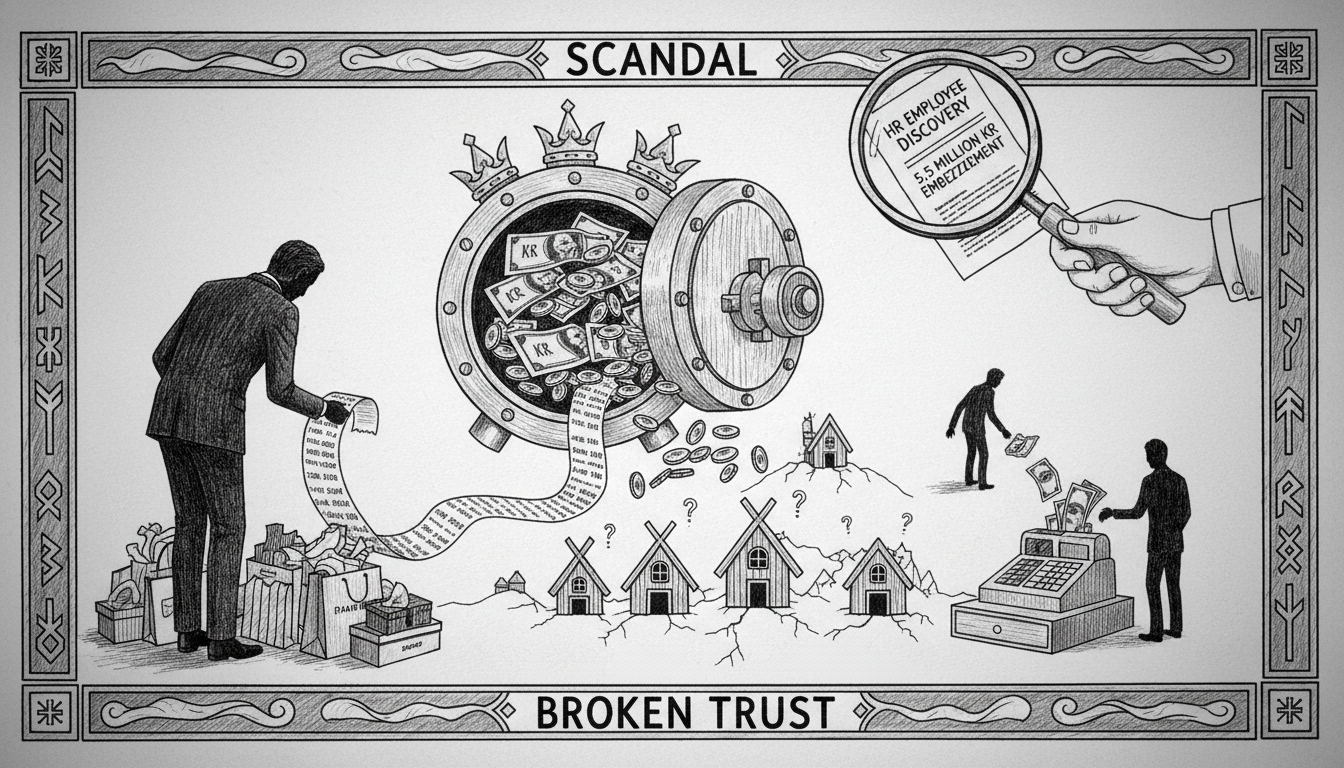
A story of addiction and betrayal is unfolding in southern Sweden. A municipal chief stands accused of embezzling millions of kronor from five local councils. The funds allegedly fueled a compulsive shopping habit. This case touches on deep questions of trust and oversight in Swedish society.
The scheme unraveled almost by accident. A human resources employee noticed several smaller payments directed to the woman's private bank account. The total sum reached 5.5 million Swedish kronor. The money came from the municipalities of Perstorp, Klippan, Bjuv, Åstorp, and Hässleholm. These are smaller towns in Skåne county, known for their tight-knit communities and traditional values.
The woman held a position of significant trust. She worked as a municipal chief with assignments in the very councils she defrauded. Officials say she created and then approved fake payments to siphon the money. She also allegedly took out a loan for 1.9 million kronor in her former partner's name without his consent.
Two relatives of the woman now face charges for money laundering. Prosecutors claim they received payments from the municipalities and then forwarded the money to the main suspect. An official involved in the case was direct in her assessment. She said the relatives should have been suspicious when large sums arrived in their accounts only to be sent onward immediately.
This scandal reveals a crack in the famed Swedish model of transparency and trust. Municipal governments are the backbone of the welfare state. They manage schools, elderly care, and local infrastructure. Citizens place immense faith in these institutions. A breach like this shakes that foundational trust. It forces a difficult conversation about accountability.
The case also highlights a darker side of consumer culture. Reports link the embezzlement directly to a shopping addiction. Sweden has a strong ethos of lagom, or moderation. This story stands in stark contrast to that ideal. It shows how compulsive behavior can override even the strongest social norms.
What happens next? The legal process will determine guilt and potential prison sentences. The five affected municipalities must recover the lost funds. They also face the harder task of rebuilding public confidence. This likely means stricter financial controls and audit procedures. For international observers, it serves as a reminder. No system is immune to human frailty, not even in famously orderly Sweden.
The broader implications touch on Swedish society trends. There is an ongoing discussion about stress, mental health, and the pressures of modern life. Could such pressures contribute to destructive behaviors, even among those in power? This case may prompt local governments to look closer at employee support systems. It is a sobering lesson in why vigilance matters at every level of public service.