
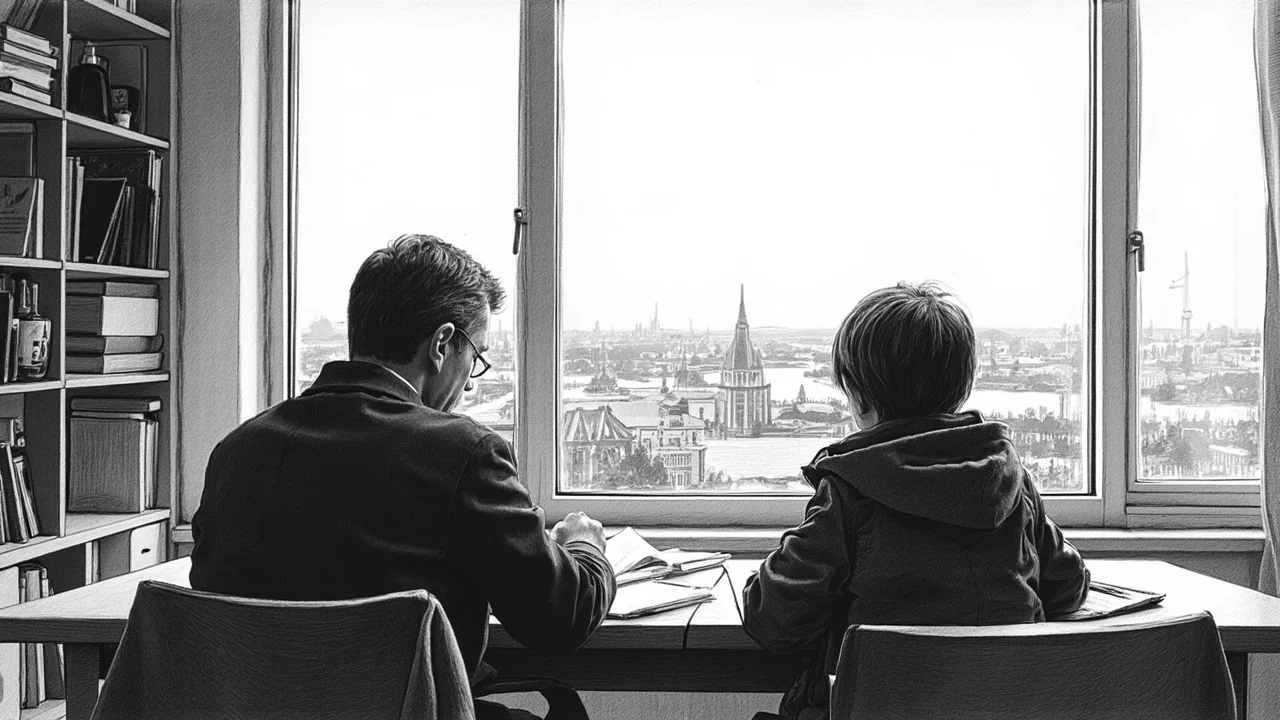
Parents across Swedish society are hiring private tutors because municipal schools can't support children with neuropsychiatric diagnoses. What started as an education issue has become a class divide.
Elin Hedensjö represents 20 families with 45 children who have NPF diagnoses in Nacka municipality. These kids need full-time support but get maybe an hour per week with a special education teacher.
"One special education teacher is supposed to cover several students across different grade levels," Hedensjö told local media. "The equation doesn't add up. In one school, books are being thrown that hit kids in the corner of their eyes." Reference: Swedish National Agency for Education (Skolverket) Statistics.
The math is brutal. A class of 27 students where five have NPF diagnoses needs constant specialist attention. But Sweden's municipal schools are stretched thin, forcing families to look elsewhere.
Private tutoring creates two-tier system
More parents are hiring private tutors to fill the gaps. This turns educational support into a luxury good.
"Suddenly it becomes a class issue," Hedensjö said. "Children's schooling becomes dependent on who has the means to provide private support."
This hits at the core of Sweden's egalitarian education model. Schools operate under a "compensatory mandate" requiring them to consider children's different needs, according to Skolverket. Children have legal rights to "extra adjustments" or "special support" under school law.
But legal rights don't guarantee resources. Skolverket has documented that "many students with neuropsychiatric functional impairments do not receive the support they are entitled to in primary school."
Municipal budgets vs legal obligations
The gap between legal requirements and actual delivery reveals a funding crisis in Swedish education. NPF diagnoses include ADHD, autism spectrum disorders, Tourette syndrome, and language disorders. These conditions require specialized, often one-on-one support.
Municipalities control school budgets but face competing demands. Special education is expensive and labor-intensive. When resources are tight, it's easier to spread one specialist thin across multiple students than hire adequate staff.
What comes next
Riksförbundet Attention, which advocates for people with NPF diagnoses, has been pushing for better school support for years. But advocacy doesn't create classroom hours.
Parents who can afford private tutors are essentially subsidizing the state's failure to meet its legal obligations. Those who can't watch their children struggle in overcrowded classrooms without proper support.
Expect this divide to widen as more families realize municipal schools can't deliver what they promise. Sweden's education equality is becoming a myth that only wealthy families can afford to ignore.
Read more: Swedish Schools Turn Lunch Into Classroom Learning.
Read more: Swedish Kids Beat Cancer at 88% Rate, Tough Cases Improve.