
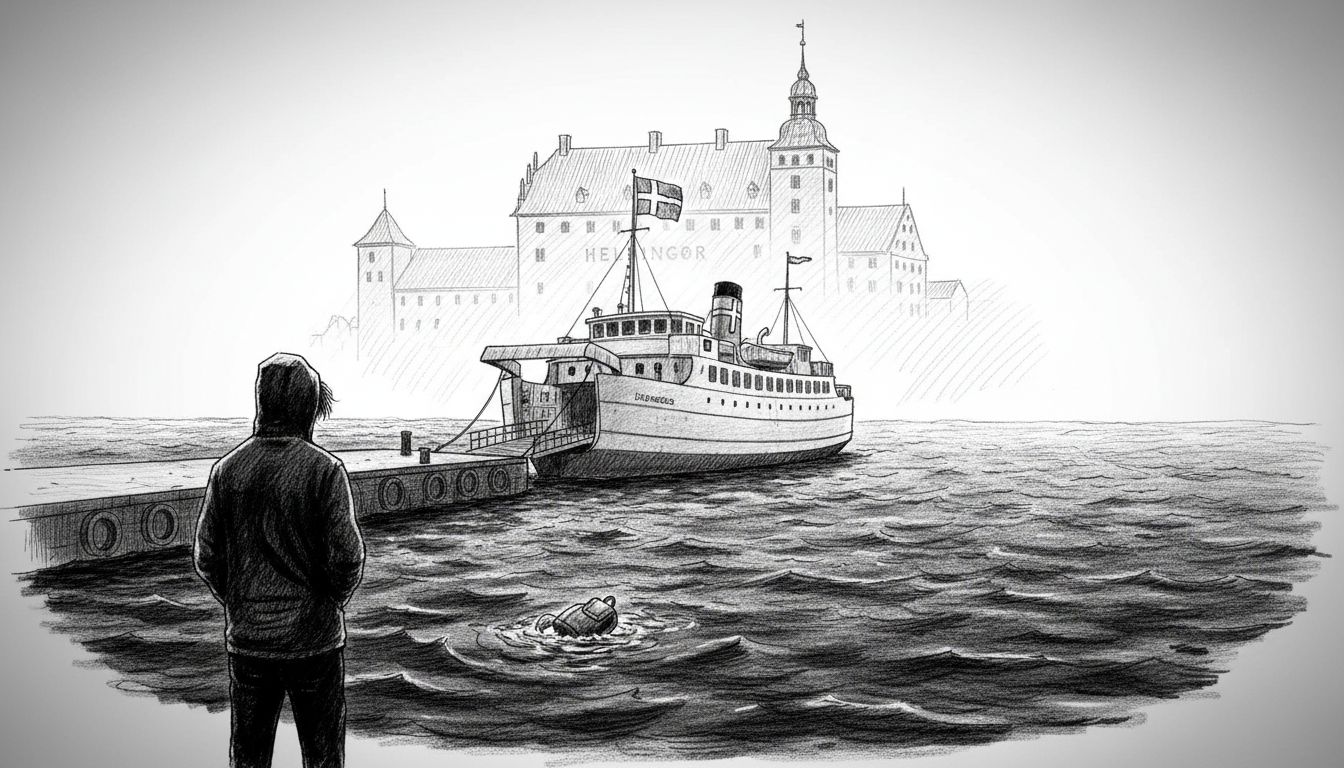
Denmark news reports a tragedy in the Øresund region after a 16-year-old Swedish boy was found dead in Helsingør Harbor. North Zealand Police confirmed the discovery, which followed reports of someone falling into the water. The incident occurred near the busy ferry terminal connecting Denmark to Sweden, casting a pall over the historic port city. Emergency services responded quickly, but the teenager was pronounced dead at the scene. This event highlights ongoing safety concerns in active harbor areas frequented by both locals and international travelers.
A Community in Mourning
Helsingør, known internationally for Kronborg Castle, is a city defined by its relationship with the sea. The narrow strait here separates Denmark from Sweden by just four kilometers. This proximity fosters a vibrant cross-border community, making the loss resonate on both sides of the water. Local residents expressed shock, noting the harbor's central role in daily life. “It’s a place of passage, of meeting, not of tragedy,” one Danish shopkeeper near the port said, requesting anonymity due to the sensitive investigation. Police have not released the victim's name, respecting the family's privacy during their grief.
Authorities are conducting a thorough investigation to determine the exact circumstances. A police spokesperson stated they are examining all possibilities, from a tragic accident to other factors. They are reviewing CCTV footage from the harbor area and speaking to potential witnesses. Drowning accidents in Nordic harbors, while not common, often prompt reviews of safety infrastructure. Harbor areas present unique risks due to cold water, strong currents from ferry traffic, and often slippery surfaces. The investigation will likely focus on the boy's actions prior to the incident and the environmental conditions at the time.
Harbor Safety Under Scrutiny
This incident brings harbor safety protocols into sharp focus. Helsingør Port handles significant ferry traffic to Helsingborg, Sweden, alongside recreational boating. Experts note that safety in such multi-use zones requires constant vigilance. “Integrated safety measures are critical,” said Lars Nygaard, a maritime safety consultant familiar with Danish ports. “This includes adequate lighting, clear signage, accessible life-saving equipment, and physical barriers where appropriate.” He emphasized that prevention relies on a combination of infrastructure and public awareness, especially for young people.
National statistics on harbor drownings are not centrally aggregated, but local data suggests they are rare yet devastating events. The Danish Maritime Authority sets general safety standards for public ports, but implementation often falls to municipal authorities and port operators. In Copenhagen and Helsingør, many harborfront areas have been developed for public recreation, increasing foot traffic near water. This development demands a parallel commitment to safety planning. Police did not comment on whether existing safety features at Helsingør Havn were a factor, stating it was too early in their investigation.
A Cross-Border Response
The tragedy underscores the close operational ties between Danish and Swedish emergency services. The Øresund region is a integrated zone where police and coast guard units regularly collaborate. This cooperation would have been active during the search and recovery operation. Such incidents test the response protocols designed for a binational body of water. Community leaders on both sides often work together on youth outreach and safety campaigns, recognizing the shared social landscape. The boy's Swedish nationality adds a layer of diplomatic sensitivity to the case, though authorities on both sides are experienced in handling cross-border incidents.
Grief counseling services in Helsingør's municipality are likely to be offered to those affected, following Denmark's structured approach to community trauma. Social centers in the city, which often serve as hubs for youth activities, may become focal points for support. This model is a cornerstone of the Danish welfare system, providing a localized response to sudden crises. The event is a somber reminder of the vulnerabilities that exist even in well-organized societies with strong social safety nets.
Looking Ahead: Prevention and Remembrance
As the police investigation continues, the conversation will inevitably turn to prevention. Could more be done to protect young people in urban waterfront areas? This question faces many coastal cities. Some advocates call for enhanced educational programs in schools, teaching water safety specific to harbor environments. Others may examine the role of peer influence and nighttime activities. The answers are complex, balancing personal responsibility with communal safeguards.
For now, the community mourns a young life lost far too soon. The sound of ferries blowing their horns in the misty Øresund carries a heavier meaning. This tragedy, isolated yet profound, interrupts the daily rhythm of a region built on connection. It leaves behind unanswered questions and a family shattered by loss. The ultimate analysis from authorities will take time, but the human impact is immediate and deep. How a society responds to such a moment—with care, with scrutiny, and with a commitment to learn—defines its character as much as its celebrated institutions and policies.
Final reports from North Zealand Police will provide conclusive details. Their findings may influence local safety assessments in harbors across Denmark. For the residents of Helsingør and its Swedish neighbors, the water that links them now also tells a story of profound sorrow. The hope is that from this loss, a renewed emphasis on vigilance and protection will emerge, ensuring the harbor remains a place of safe passage.