
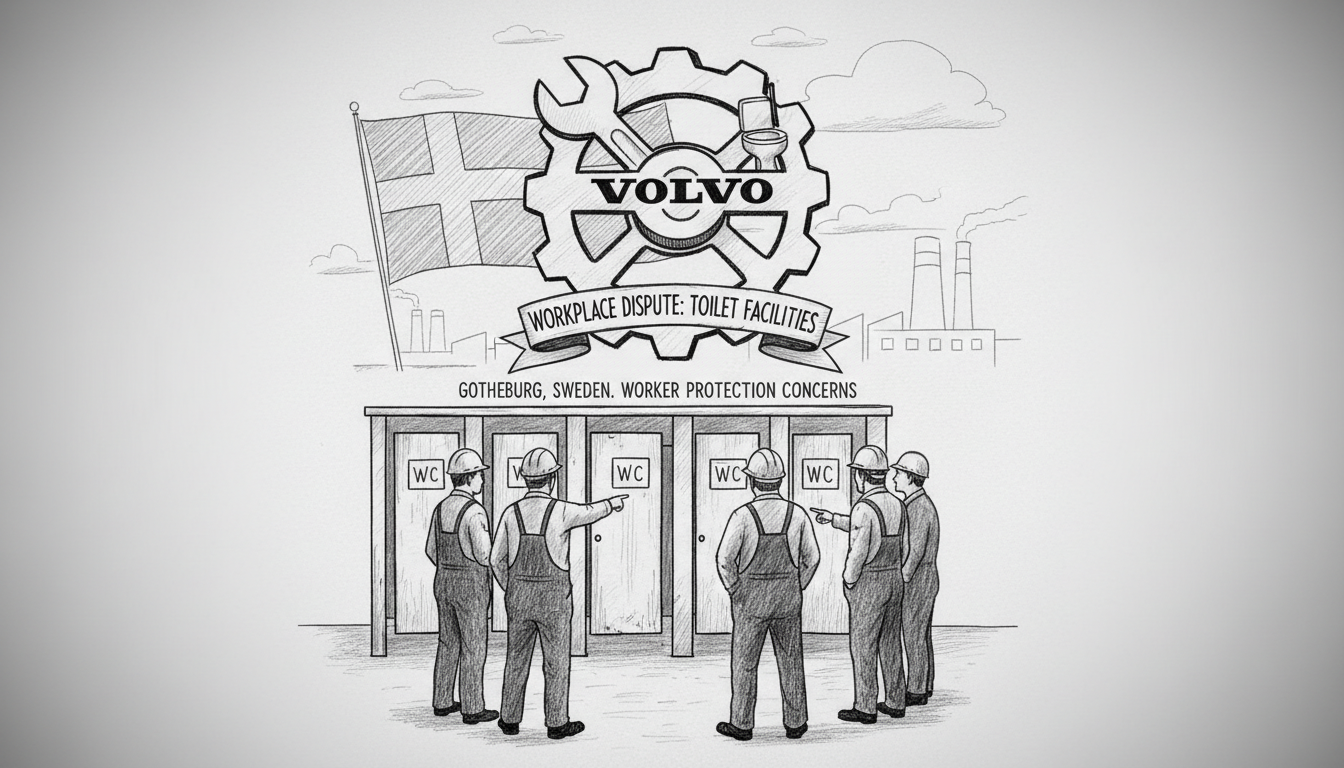
A heated workplace debate has emerged at Volvo's truck factory in Tuve, Gothenburg. Safety representatives are raising alarms about toilet facilities for production workers. They claim the current number of restrooms fails to meet employee needs.
Workers in the production area report insufficient facilities for the workforce size. Two toilets must serve numerous employees during busy shifts. This creates practical challenges and affects worker comfort throughout the day.
Factory management maintains a different position. They state the current facilities meet regulatory requirements. Company officials say they provide adequate restroom access for all employees.
This dispute highlights Sweden's strong worker protection traditions. Swedish workplaces typically feature robust safety representative systems. These elected representatives have legal authority to raise concerns about working conditions.
Gothenburg's industrial sector has long been central to Sweden's economy. The city's manufacturing plants often set standards for Scandinavian workplace practices. Volvo's facilities particularly influence regional industrial norms.
International readers might wonder why toilet access matters. In Swedish workplace culture, basic facilities represent fundamental worker dignity. Proper restroom access reflects broader commitments to employee wellbeing.
Swedish labor law emphasizes humane working conditions. The Work Environment Act requires employers to provide satisfactory facilities. This includes appropriate sanitation arrangements for all workers.
Similar disputes have occurred in other Swedish factories recently. Several manufacturing plants faced questions about facility adequacy. The Volvo situation follows this emerging pattern in Swedish industry.
What happens next in this workplace disagreement? Safety representatives will likely continue discussions with management. Swedish labor practices typically favor negotiated solutions through dialogue.
The outcome could influence other Swedish manufacturing facilities. Many companies watch how major employers like Volvo handle such matters. Their approaches often become reference points for smaller factories.
For expats working in Swedish industry, this story demonstrates local workplace dynamics. Swedish employees actively participate in shaping their work environment. Safety representatives play crucial roles in maintaining standards.
Gothenburg's industrial areas like Tuve feature many international workers. Understanding these workplace discussions helps newcomers navigate Swedish employment culture. Such disputes reveal how Swedish companies balance productivity and worker wellbeing.
The Volvo factory dispute continues without immediate resolution. Both sides present reasonable perspectives based on different interpretations of needs. The situation reflects ongoing conversations about modern industrial workplace standards.