
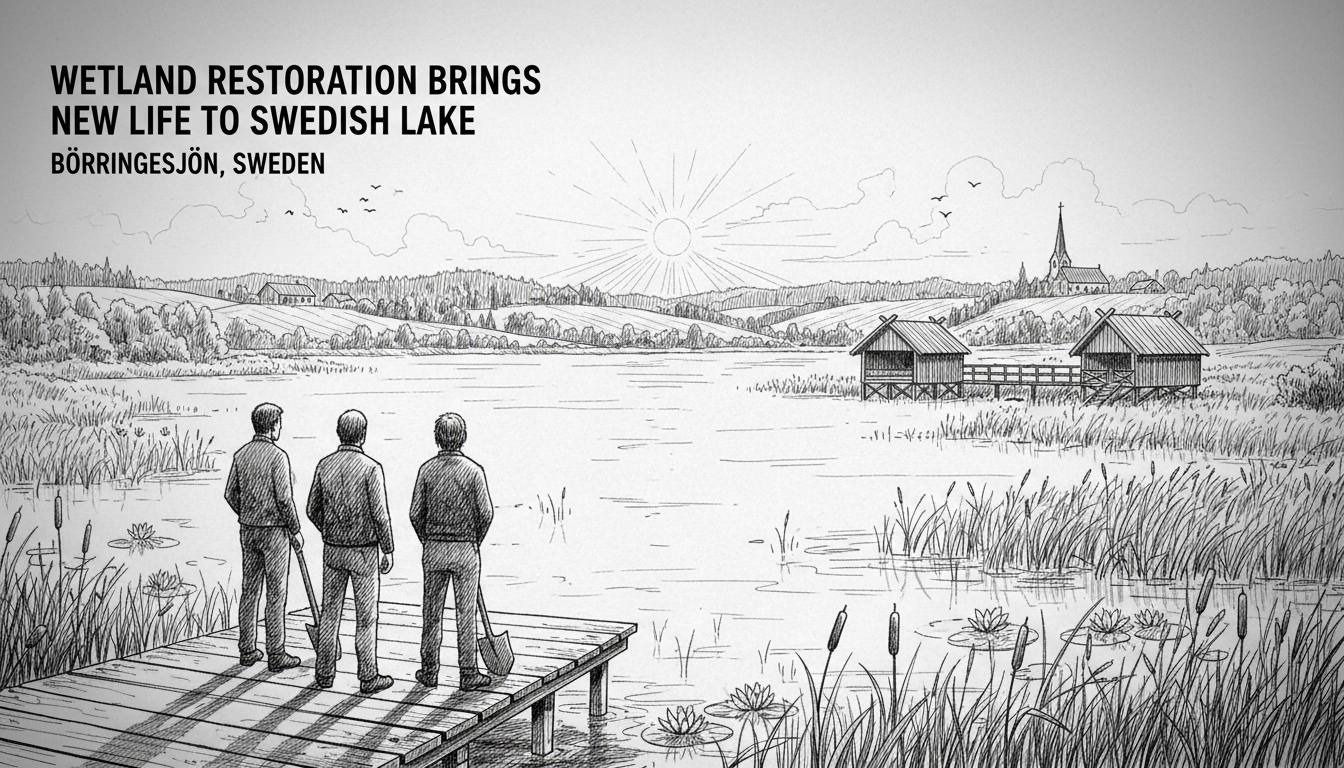
Walking along the newly restored shores of Börringesjön, you can hear the distinct calls of returning waterfowl. This scenic lake in southern Sweden is experiencing a remarkable transformation that speaks to broader Swedish society trends. Local conservationists have completed their largest wetland restoration project to date at Klosterviken bay.
Isak Nyborg, coordinator for the local water council, explained the historical context. Sweden needed more food so we drained wetlands for farmland. This made waterways and lakes disappear or shrink. His team built a 48-meter dam at the outlet, cleared vegetation, and removed soft sediments.
The project represents a significant shift in Swedish environmental policy. For decades, agricultural expansion took priority over natural preservation. Now Sweden is rediscovering the value of its wetlands. These ecosystems act as nature's kidneys, filtering nutrients and supporting biodiversity.
Nyborg described the ecological benefits in simple terms. A larger lake retains more nutrients and cleans itself better. This creates much greater biological diversity in the surrounding area. The restoration has already attracted new bird species and improved water quality noticeably.
This project reflects Sweden's growing commitment to environmental restoration. Similar initiatives are underway across the country as Swedes balance modern agriculture with ecological preservation. The work at Börringesjön shows how historical land use decisions can be reconsidered for environmental benefit.
Local residents have embraced the changes. Families now visit the restored wetlands for weekend outings, combining Swedish lifestyle traditions of nature appreciation with environmental education. The area has become a living classroom about wetland ecosystems and their importance.
What makes this restoration particularly meaningful is its location in agricultural southern Sweden. It demonstrates that farming communities and conservationists can work together successfully. The project maintains surrounding farmland while bringing ecological benefits to the entire region.
The success at Börringesjön could inspire similar efforts throughout Scandinavia. As climate change intensifies, wetland restoration offers natural solutions for water management and biodiversity protection. This Swedish approach to environmental stewardship may become a model for other northern countries facing similar challenges.