
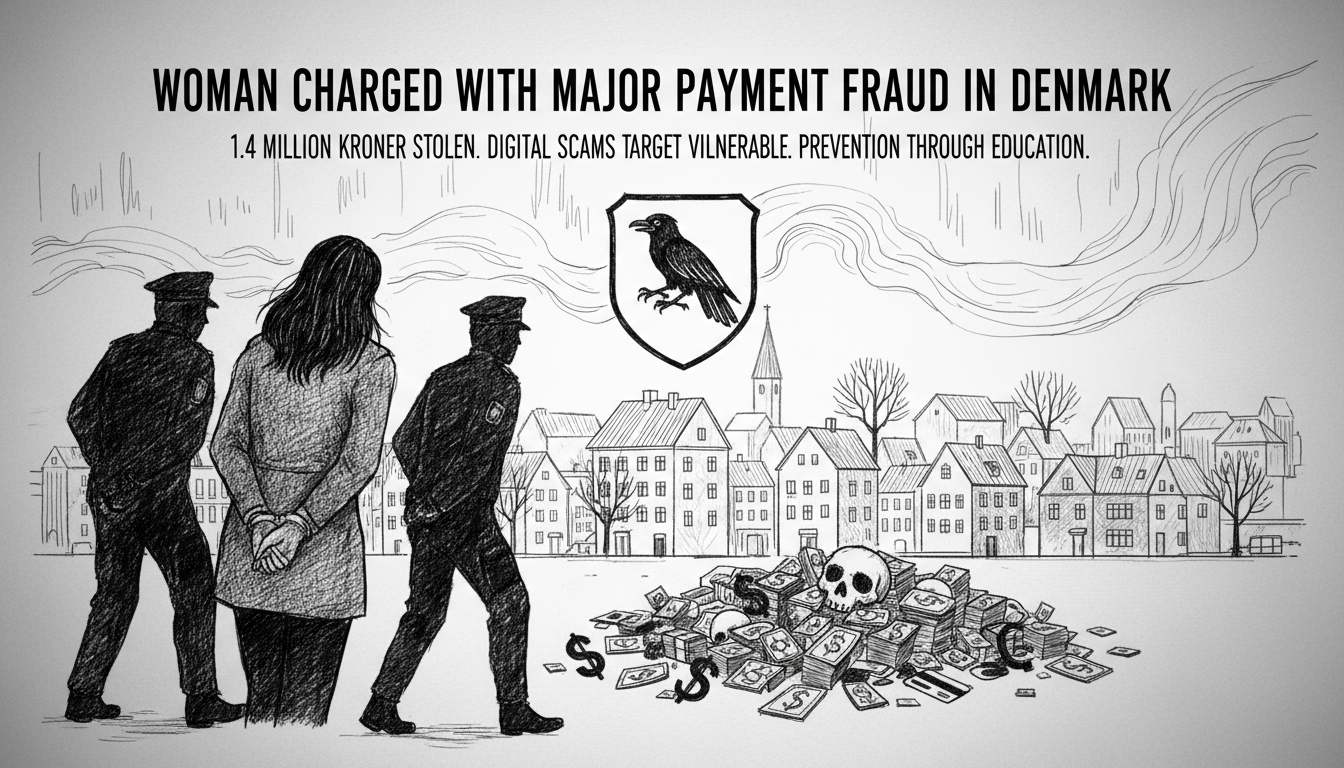
Danish authorities have detained a 27-year-old woman accused of orchestrating a sophisticated payment information scam. Police in Southeast Jutland confirmed she allegedly deceived numerous victims into surrendering their financial details. The scheme resulted in fraudulent purchases and debt payments totaling 1.4 million kroner. This case highlights growing concerns about digital security in Denmark's welfare society.
The suspect appeared in a closed-door constitutional hearing, preventing public access to evidence or statements. Such privacy measures sometimes protect ongoing investigations but limit transparency. Police have not detailed her specific methods, though patterns emerge from recent fraud trends.
Contact frauds have become increasingly common throughout Danish municipalities. Criminals impersonate bank officials, police authorities, or government agencies. They typically target vulnerable populations, including elderly residents. One technique involves sending SMS or email links to fake websites that harvest payment information.
Another method exploits online marketplace transactions. Fraudsters use legitimate shipping company names and logos to create counterfeit delivery service pages. Sellers receive requests to confirm payment details through these fraudulent portals. Police emphasize that actual shipping firms never handle direct payments for goods.
This case intersects with broader Danish integration and social policy challenges. New residents often face heightened vulnerability to financial crimes during their settlement process. Community centers in Copenhagen and other cities increasingly incorporate digital literacy into integration programs. They teach newcomers how to recognize and report suspicious financial requests.
Danish social policy experts note that fraud prevention requires coordinated efforts across multiple systems. The welfare state's extensive digital infrastructure creates both convenience and security risks. Municipal social offices now collaborate with police on prevention campaigns targeting at-risk communities.
Recent statistics show digital fraud reports increased substantially across Danish regions. Integration success often correlates with financial security and digital competency. Education programs in Danish language schools now include basic cybersecurity components. This holistic approach reflects Denmark's evolving social contract in the digital age.
The accused remains in custody while investigations continue. This case demonstrates how financial crimes impact both individual victims and societal trust. Denmark's robust welfare system faces new challenges in protecting all residents from evolving digital threats.