
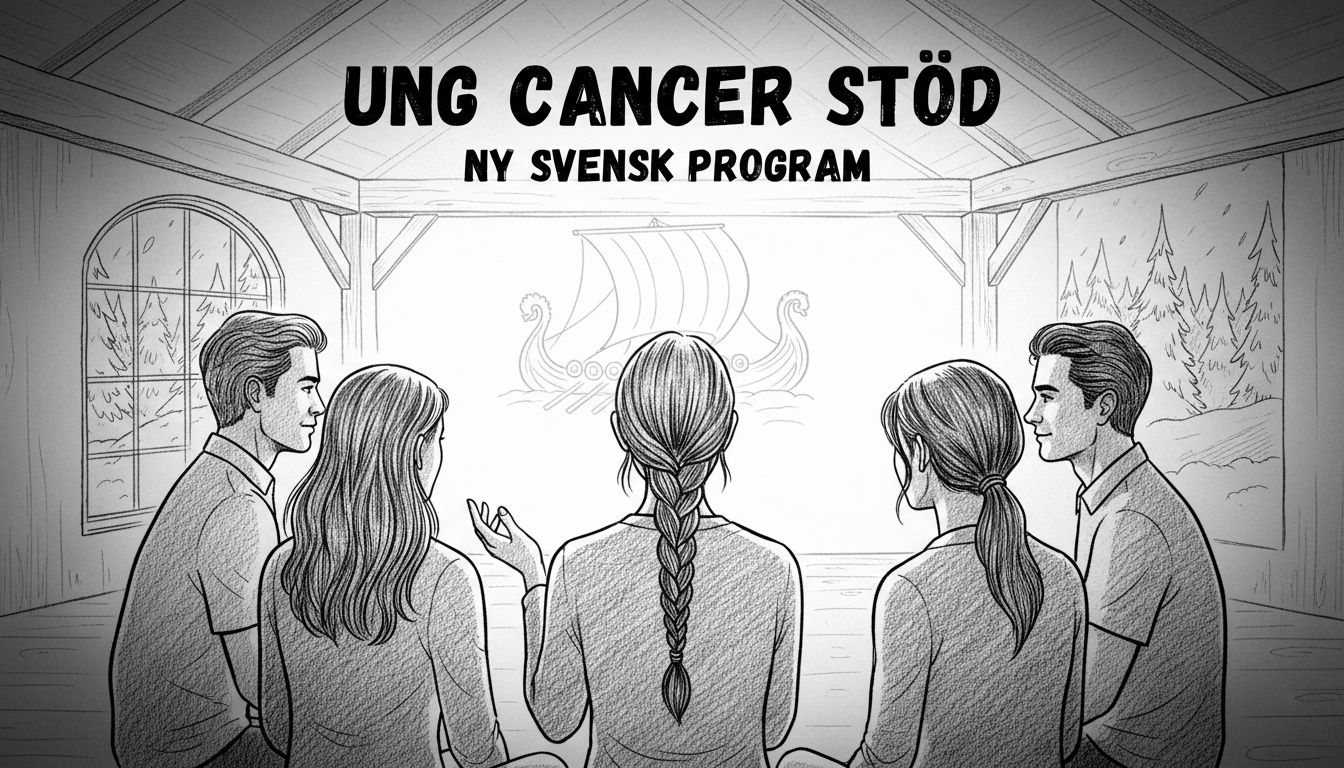
Felicia Baki Lindberg discovered a lump near her collarbone at age 24. The diagnosis revealed Hodgkin's lymphoma, a cancer affecting the lymph nodes. Her treatment journey through Sweden's healthcare system brought physical healing. But the emotional aftermath presented different challenges entirely.
Moving forward after treatment proved difficult for the young Swede. She felt isolated while trying to reenter the world she knew before cancer. This experience reflects broader Swedish society trends where young adults often struggle with transitional periods.
You feel completely alone, Felicia explains in a recent interview. You're supposed to return to the same world you left behind. Yet you find yourself lagging behind everyone else.
This gap in Sweden's otherwise comprehensive healthcare system sparked change. When patients turn 18, they no longer qualify for the aftercare available to pediatric patients. Nurses at a major southern Swedish hospital noticed this problem firsthand.
Young adults fare worse both mentally and physically than older adults after cancer treatment, according to oncology nurse Ida Wiktorsson. Their specific needs weren't being met through existing programs.
The new initiative Young Vitality addresses this exact issue. It targets Swedes aged 18 to 29 who've completed cancer treatment. The program organizes patient meetings and provides counseling support. These Stockholm events today would likely attract similar young adults navigating post-treatment life.
For Felicia, now fully recovered, participating was unquestionable. Her perspective embodies the communal spirit found throughout Swedish culture news. If I can help just one person, that's good, she states. Helping many would be even better.
This program represents Sweden's ongoing commitment to healthcare equality. The Swedish lifestyle often emphasizes collective wellbeing over individual achievement. Yet the transition from pediatric to adult care remains challenging worldwide.
Medical professionals recognize that young adults face unique hurdles. They're often establishing careers, relationships, and independence. Serious illness disrupts these critical developmental stages. The program specifically addresses these Swedish society trends through targeted support.
Sweden immigration news often highlights the country's robust social safety net. This program strengthens that net for young cancer survivors. It demonstrates how Swedish systems evolve to meet changing population needs.
The initiative also reflects Sweden's data-driven approach to healthcare. Medical staff identified a clear need through patient outcomes. They then developed a targeted solution. This practical problem-solving characterizes much of Swedish social policy.
Young cancer survivors across Sweden now have better support options. The program acknowledges their distinct challenges. It provides community during a vulnerable life transition. This approach aligns with Sweden's reputation for compassionate, comprehensive care.