
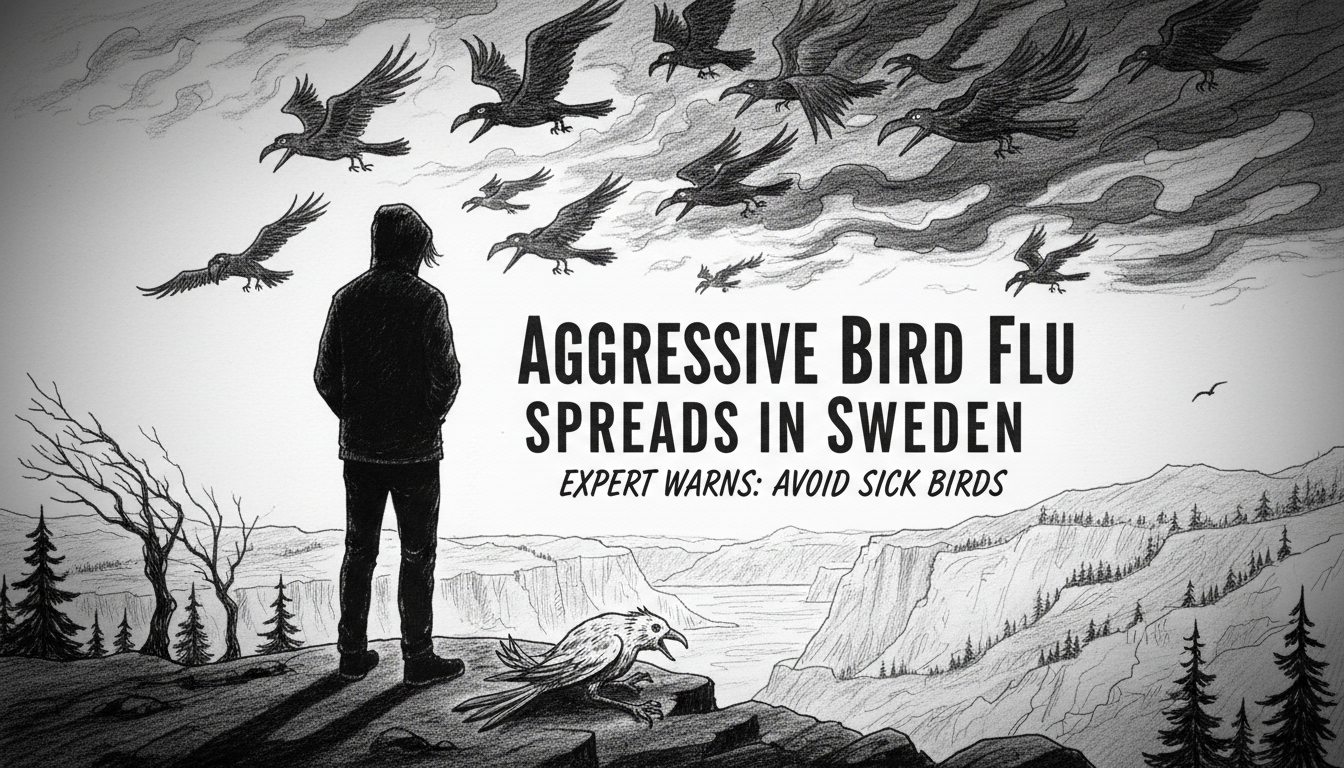
Stockholm residents enjoying the spring thaw in parks like Djurgården or along the waterfront at Södermalm are noticing something unsettling. A growing number of sick and dead birds are appearing. Wildlife experts confirm an aggressive strain of bird flu is spreading across Sweden. The public health message is clear but concerning. Do not touch any birds that appear ill.
Professor Jonas Waldenström, a microbiology expert, issued the warning. He said the risk of the virus transferring to humans remains small. But he stressed the danger is real. The current variant is highly pathogenic. This means sick birds carry large amounts of the virus. Contact with them increases potential exposure. This situation touches on a core part of Swedish lifestyle. Interaction with nature is a daily ritual for many. From feeding ducks in city ponds to hiking in the archipelago, birds are constant companions. This outbreak forces a temporary change to those habits.
The spread of avian influenza has broader implications for Swedish society. It impacts wildlife conservation efforts led by groups across the country. It also affects rural communities where poultry farming is common. For international readers and expats, this is a practical reminder of Sweden's deep integration with its natural environment. Public health advisories here often stem from environmental observations. The response is typically cautious, science-led, and community-focused. This approach reflects a societal trend of prioritizing precaution.
What should you do if you see a sick bird? The advice is straightforward. Keep your distance. Do not attempt to help it yourself. Instead, report it to local authorities or animal welfare organizations. This allows professionals to handle the situation safely. The outbreak is a reminder of the delicate balance in urban ecosystems. Cities like Stockholm are green hubs where human and animal worlds intersect closely. This closeness requires shared responsibility. The current advice may seem simple, but it is a critical part of managing public health in a society that values its connection to the natural world. The coming weeks will show if these measures can contain the spread.