
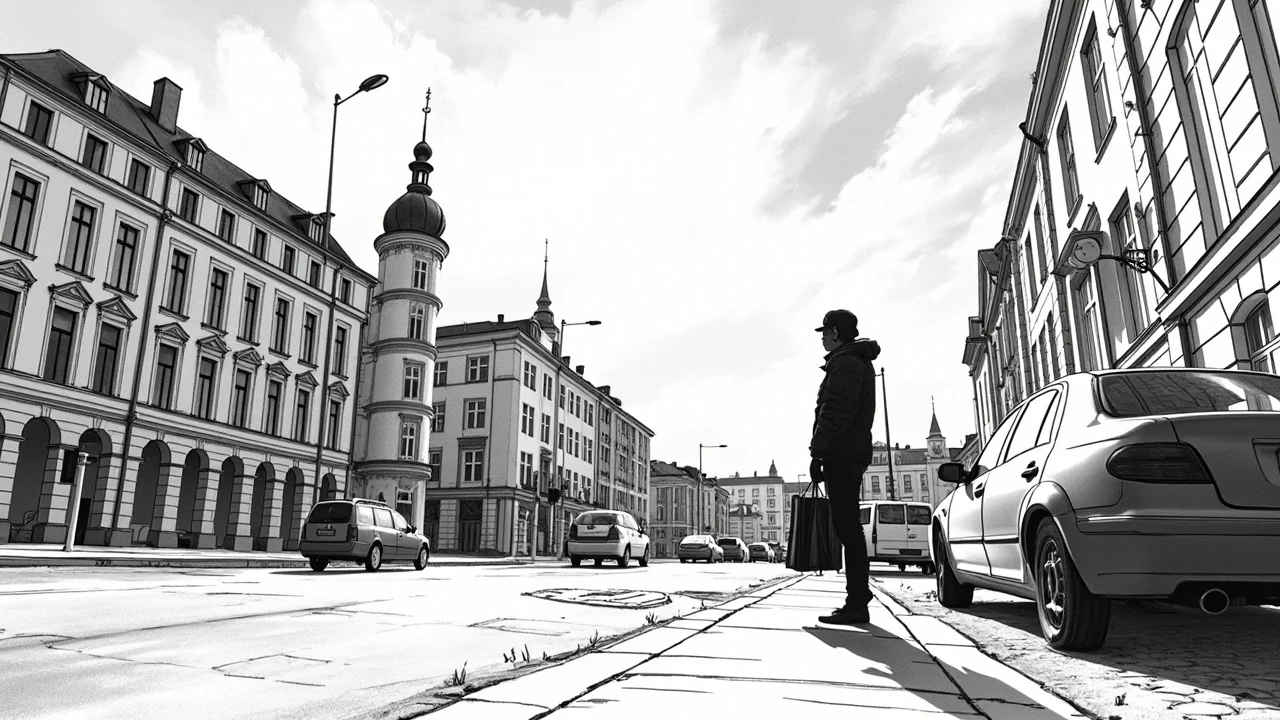
Rush hour desperation at Mariehällstorget
Eva Flodin watches potential customers drive past her ICA store every afternoon around 4 PM. They circle the block once, maybe twice, then give up. The problem isn't her prices or selection. It's parking.
At Mariehällstorget in Stockholm, the few 30-minute parking spots disappear instantly during rush hour. Customers who do manage to shop often arrive "breathless" after being forced to park illegally, Flodin reports. They're rushing to grab groceries on their way home from work, but Sweden's strict parking enforcement makes this a risky gamble.
This isn't just one retailer's complaint. It reveals how Sweden's car-dependent suburbs clash with Stockholm's more restrictive parking policies. Swedish urban planning prioritizes public transit and cycling, but many residents still rely on cars for grocery runs, especially families with children.
When Swedish efficiency meets real life
Flodin believes many potential customers simply skip shopping rather than risk a parking fine. In Sweden, illegal parking fines start at SEK 500 ($48) and can reach SEK 1,200 ($115) in central Stockholm. For a quick grocery stop worth SEK 300-500 ($29-48), those stakes feel too high.
The timing makes it worse. Between 4 PM and 6 PM, commuters want to shop on their way home, but this overlaps with afternoon school pickups and other family logistics. Swedish work culture's emphasis on leaving the office by 5 PM creates a concentrated rush that the current parking supply can't handle.
According to Stockholm's development plans, the city intends to create more "angöringsficka" (loading zones) and short-term parking in the Mariehäll area. But these plans focus on residential development, not retail support.
The Swedish parking paradox
This situation captures a broader tension in Swedish urban policy. Stockholms kommun wants to reduce car dependency through restrictive parking, but suburban retailers like Flodin depend on car-driving customers. The city's parking authority manages zones and rates with typical Swedish precision, but the system assumes people can easily switch to public transit for all trips.
That assumption breaks down for grocery shopping. Carrying heavy bags on the tunnelbana works for singles buying dinner ingredients. It's much harder for families doing weekly shopping or elderly customers who struggle with public transit.
Flodin's experience suggests Stockholm's parking policy is working exactly as intended, pushing people away from car trips. But the collateral damage hits small retailers who can't relocate to car-friendly shopping centers.
Expect more suburban retailers to lobby municipal authorities for parking relief as the city's anti-car policies intensify. The alternative is watching customers drive to big-box stores with free parking outside the city center.
Read more: Private Jet Mayday Call Disrupts Stockholm Air Traffic.
Read more: Stockholm Escalator Crisis Exposes Infrastructure Decay.