
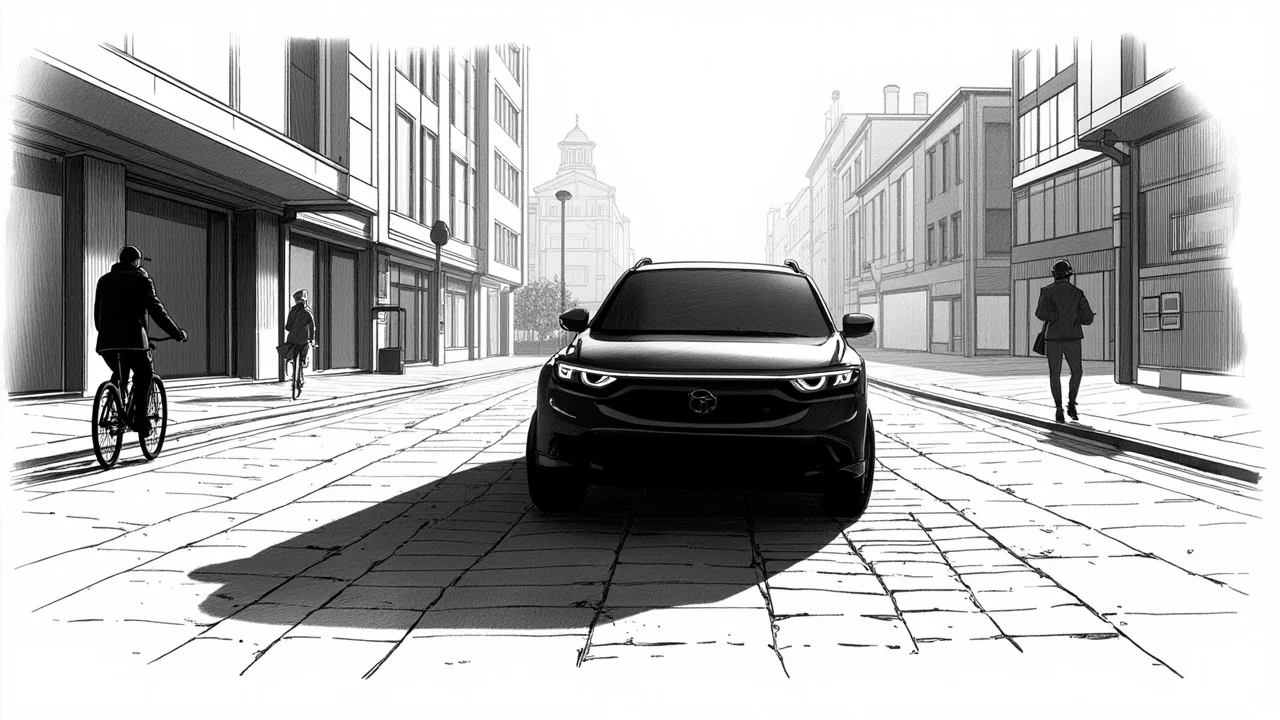
Over the past ten years, passenger cars in Denmark have become noticeably larger. This growth in vehicle size has led to improved safety conditions for people inside the cars. Larger vehicles often include stronger structural frames and more advanced safety technologies, which help protect occupants during collisions., this same trend introduces challenges for others who share the road and public spaces. The expanding dimensions of Danish passenger cars are placing strain on existing transportation infrastructure. Roads, parking areas, and traffic management systems were originally built with smaller vehicles in mind. As cars grow wider, longer, and heavier, these systems struggle to accommodate them efficiently and safely. Cyclists and pedestrians, commonly referred to as vulnerable or soft road users, are particularly affected. Bigger cars can obstruct sightlines, making it harder for drivers to see people walking or biking nearby. In the event of a crash, the physical impact from a larger vehicle is typically more severe. This shift highlights a growing tension between individual safety and collective urban design. While drivers benefit from enhanced protection, city planners and local authorities now face the task of adapting streets and public spaces to safety for all road users. The original report does not provide specific data on accident rates linked to vehicle size, but it clearly states that what improves conditions for those inside cars may worsen them for everyone else outside.
Read more: Denmark Raises Skilled Worker Salary Bar Despite Labor Crisi....
Read more: Denmark Expands Military Property Seizure Powers Beyond Citi....