
Introduction to Sweden's Major Cities
Overview of Stockholm, Gothenburg, and Malmö
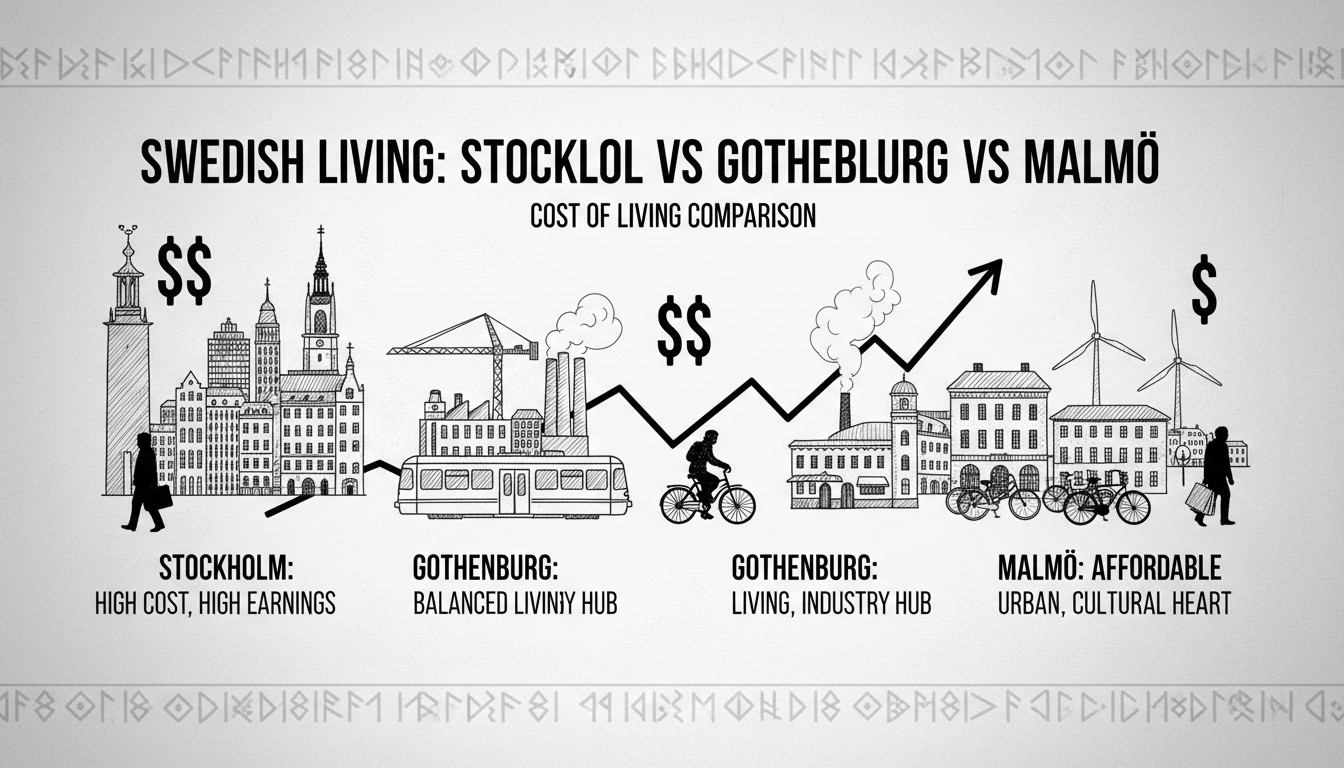
Stockholm is Sweden's capital and largest city. Gothenburg is the major west coast port city. Malmö connects Sweden to Denmark via the Öresund Bridge. These three cities represent distinct Swedish urban experiences. Each offers unique living environments and costs.
Why Compare These Three Cities
These cities attract most international residents. They represent different regional economies. Stockholm dominates finance and tech. Gothenburg focuses on automotive and shipping. Malmö emphasizes sustainability and cross-border commerce. Understanding their cost differences helps relocation decisions.
Key Factors Influencing Living Costs
Housing costs vary dramatically between cities. Transportation infrastructure affects commute expenses. Local taxes differ by municipality. Grocery prices reflect distribution networks. Entertainment costs match local demand. These factors combine for total living expenses.
Housing and Accommodation Costs
Rental Prices Comparison
Stockholm one-bedroom apartments average 12,000 SEK monthly. Gothenburg similar units cost about 9,500 SEK. Malmö offers the lowest at 8,000 SEK. Central locations command premium prices everywhere. Suburban rentals provide better value.
Property Purchase Costs
Stockholm apartments average 75,000 SEK per square meter. Gothenburg prices reach 45,000 SEK per square meter. Malmö properties cost around 35,000 SEK per square meter. House prices follow similar patterns. Mortgage regulations affect all purchases.
Housing Market Trends
Stockholm faces continuous housing shortages. Gothenburg market shows steady growth. Malmö offers more new construction. Rental queues remain long in Stockholm. All cities see rising prices annually.
Neighborhood Variations
Stockholm's Östermalm costs triple other areas. Gothenburg's Haga district commands premium rents. Malmö's Västra Hamnen features luxury waterfront living. Each city has affordable suburbs. Research local areas thoroughly.
Daily Living Expenses
Groceries and Food Costs
Monthly groceries cost about 3,000 SEK per person. Stockholm prices run 5% higher than national average. Gothenburg matches national averages closely. Malmö benefits from Danish competition. Eating out follows similar cost patterns.
Transportation Expenses
Stockholm monthly transit passes cost 970 SEK. Gothenburg passes are 780 SEK monthly. Malmö transit costs 660 SEK per month. Car ownership adds insurance and fuel costs. Biking infrastructure reduces transportation expenses.
Utilities and Bills
Average monthly utilities total 1,200 SEK. Heating costs vary by building type. Internet packages average 300 SEK monthly. Electricity prices fluctuate seasonally. Water bills remain consistent across cities.
Entertainment and Leisure
Cinema tickets cost 140 SEK nationwide. Restaurant meals average 120-180 SEK. Gym memberships range from 300-500 SEK monthly. Cultural events pricing differs by city. Outdoor activities often cost nothing.
Employment and Income Considerations
Average Salaries by City
Stockholm professionals earn 42,000 SEK monthly. Gothenburg averages reach 38,000 SEK. Malmö salaries average 36,000 SEK. Tech sector pays above these figures. Service industry positions pay less.
Job Market Overview
Stockholm dominates tech and finance hiring. Gothenburg needs engineering and maritime skills. Malmö seeks sustainability and IT professionals. Unemployment rates differ slightly. English-speaking jobs concentrate in Stockholm.
Taxation Differences
Sweden uses progressive national income tax. Municipal taxes add 29-34% locally. Gothenburg charges 32.5% municipal tax. Stockholm municipality taxes at 29.8%. Malmö residents pay 34.2% municipal tax.
Work-Life Balance Factors
Swedish law mandates 25 vacation days minimum. Parental leave provides 480 days per child. Flexible working hours are common. Commute times affect daily schedules. Workplace culture values life outside work.
Quality of Life and Additional Factors
Healthcare and Education
Healthcare costs 300 SEK per doctor visit maximum. Dental care has higher out-of-pocket costs. University education remains tuition-free for EU citizens. Preschool costs vary by municipality. Quality standards remain high nationwide.
Cultural and Social Life
Stockholm offers 100 museums and royal palaces. Gothenburg features Scandinavia's largest film festival. Malmö hosts the famous Malmö Festival annually. All cities provide extensive park systems. Social integration programs help newcomers.
Commute Times and Infrastructure
Stockholm commuters average 45 minutes daily. Gothenburg residents commute 35 minutes typically. Malmö boasts 25-minute average commutes. Public transit systems run efficiently. Biking infrastructure continues expanding.
Environmental Factors
All Swedish cities prioritize sustainability. Stockholm aims for fossil-free public transport by 2030. Gothenburg leads in green building standards. Malmö focuses on renewable energy. Air quality remains excellent in all three.
Making Your Decision
Budget Planning Tips
Calculate housing as 30% of net income. Include healthcare and insurance costs. Remember municipal tax differences. Factor in transportation expenses. Account for seasonal utility variations.
City-Specific Recommendations
Choose Stockholm for career advancement opportunities. Select Gothenburg for maritime and automotive industries. Pick Malmö for cross-border European connections. Consider personal lifestyle preferences. Visit each city before deciding.
Long-Term Considerations
Housing appreciation rates differ by city. Career growth potential varies by industry. Family needs change over time. Climate adaptation plans affect future livability. Infrastructure investments continue evolving.
Resources for Further Research
Visit Statistics Sweden for official data. Check Numbeo for current cost comparisons. Consult Migration Agency for residency requirements. Review municipal websites for local services. Connect with expat communities for personal experiences.