
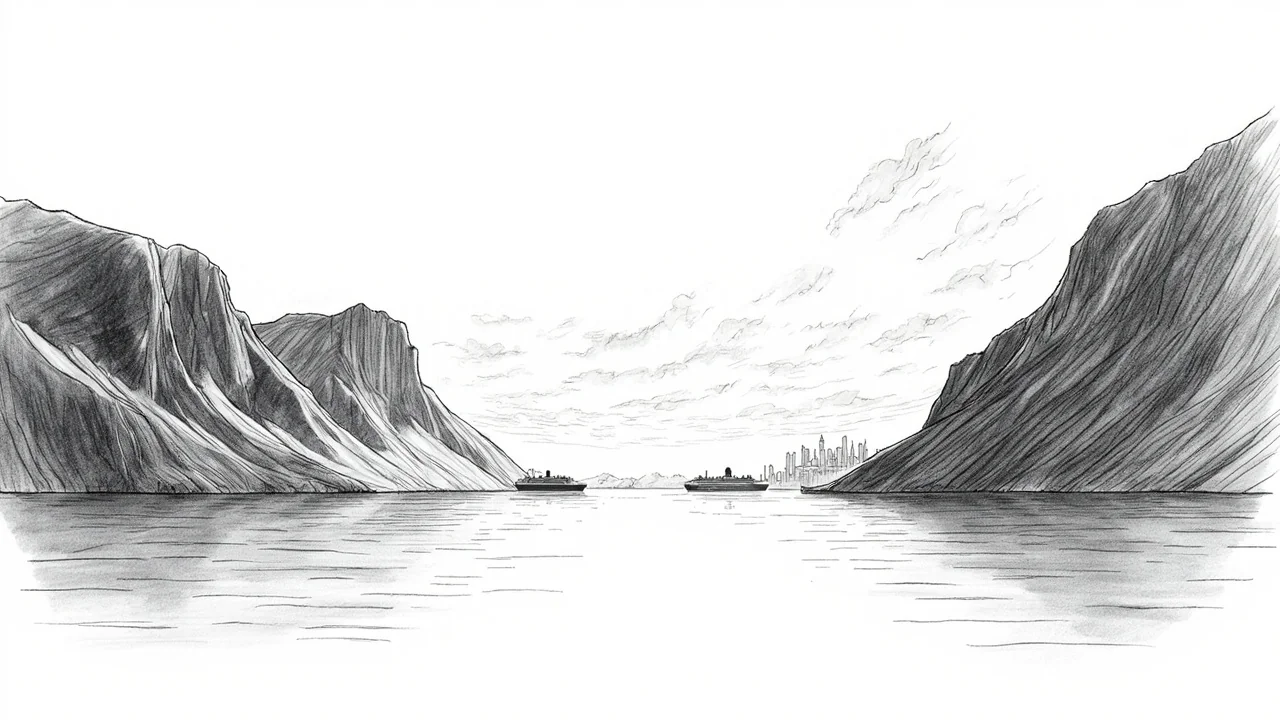
A major cruise line has announced new itineraries focused on Norway's Northern Fjords. This surge in planned travel highlights a growing global interest in Nordic natural wonders. It also signals a key moment for Norway's tourism and tech sectors. The country is increasingly blending its iconic landscapes with digital innovation.
These specialized voyages are scheduled to begin in the late spring and run through early autumn. They will offer passengers extended views of UNESCO World Heritage sites. The focus on Norway's western coastline is a strategic move. It caters to travelers seeking unique, scenic, and immersive destinations beyond typical European ports.
For Norway, this represents more than a seasonal tourism boost. It is a test case for the nation's broader digital transformation. Norwegian tech startups in Oslo and Bergen are deeply involved in this shift. They are creating apps for sustainable travel, virtual fjord tours, and smart port logistics.
This cruise trend directly impacts Oslo's innovation districts. Labs in Vulkan and Fornebu are developing solutions for the future of travel. They work on everything from crowd management analytics to carbon footprint tracking for ships. A CTO at an Oslo-based travel tech firm recently explained their role. 'Our goal is to enhance the visitor experience while protecting the fjords,' the CTO said in a statement. 'We use sensor data and AI to manage traffic and suggest less-congested viewing times.'
The economic implications are substantial. Increased cruise traffic can support local businesses in coastal towns. It also drives investment in port infrastructure and digital services. This aligns with Norway's national strategy to become a leading sustainable tourism hub. The government has funded several innovation labs focused on green maritime tech.
There is another side to this growth. Environmental groups consistently raise concerns about emissions and ecosystem disruption. The Norwegian government has implemented stricter regulations for vessels in the fjords. Compliance often requires the very technology that local startups provide. This creates a market for emission monitoring and electric shore power systems.
What happens next will depend on balancing growth with sustainability. The success of these cruise seasons will be measured in more than passenger numbers. Metrics will include environmental impact scores and local economic benefits. The trend underscores a broader Scandinavian tech hub dynamic. Innovation often springs from the need to solve specific regional challenges, like preserving natural beauty amid rising popularity.
For international observers, this is a case study in Nordic technology trends. Norway is not just selling a scenic cruise. It is integrating its natural capital with a digital layer. This approach could define the next era of global travel. The coming seasons will show if the model works. They will test whether tourism growth can coexist with the pristine conditions that draw visitors in the first place.