
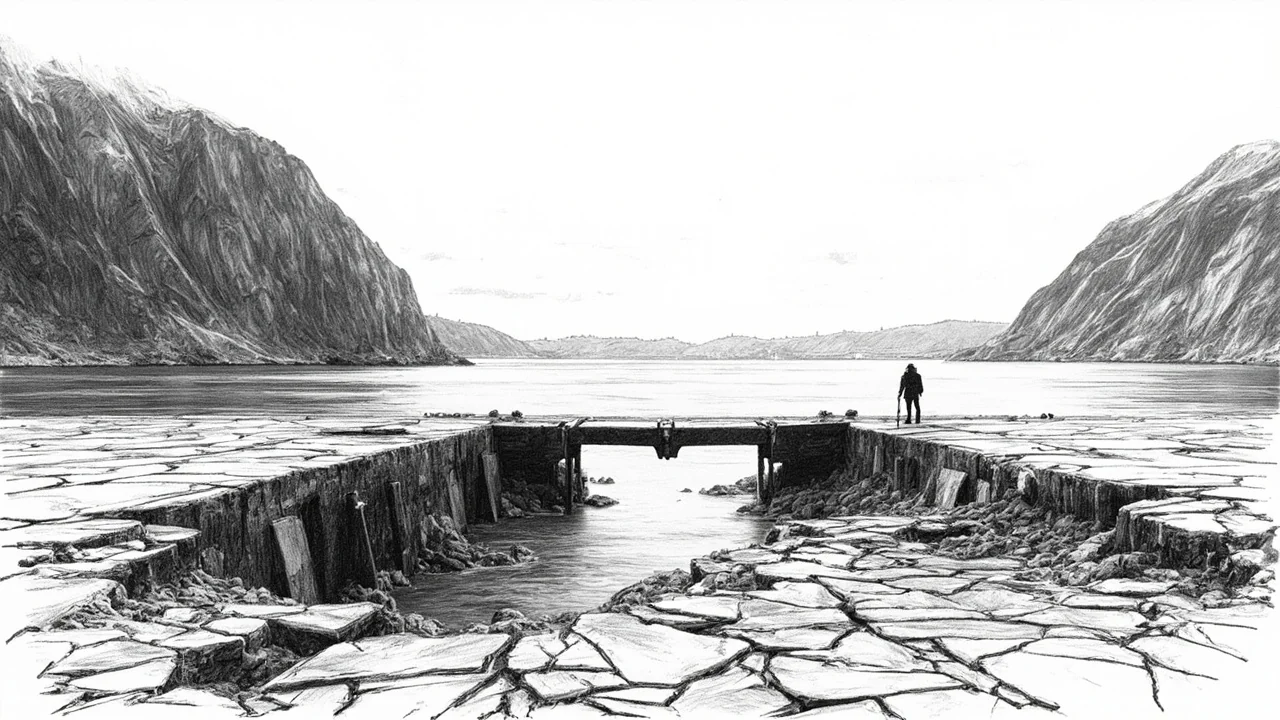
Crumbling quays threaten coastal lifelines
Over half of ferry quays in Vestland county are deteriorating beyond safe operation, with only three meeting current building standards. The maintenance backlog has reached 900 million NOK ($82 million), according to Bergens Tidende. This isn't just about concrete and steel. It's about Norway's fundamental promise that geography won't isolate communities. Source: Statistics Norway - Domestic transport statistics.
Vestland fylkeskommune (the county authority) now faces an impossible choice: drain municipal budgets or watch ferry connections fail. The Norwegian Public Roads Administration (Statens vegvesen) oversees ferry subsidies, but counties bear infrastructure costs. When a quay collapses, entire communities lose their economic lifeline to Bergen and beyond.
Ferry ridership has surged as remote work makes coastal living viable again. Young families are moving back to islands their grandparents abandoned. Now they're discovering the infrastructure can't support the revival.
Political arithmetic doesn't add up
Vestland's annual budget runs roughly 20 billion NOK. Spending 900 million on ferry quays means cutting schools, healthcare, or roads. No county politician survives that math. The Storting will face pressure to intervene, but national infrastructure funds are already stretched thin.
This exposes a deeper flaw in Norwegian federalism. Counties inherited ferry responsibilities during decentralization reforms, but never received adequate funding mechanisms. The state kept oil revenues while pushing infrastructure costs downward. Now the bill is due.
The ambitious E39 highway project—designed to replace ferries with bridges and tunnels along Norway's west coast—aimed to eliminate these bottlenecks entirely, according to transport planning documents. But that timeline stretches decades, while quays are failing now. Communities can't wait for megaprojects when daily connections are at risk.
Emergency intervention expected by summer
The safety implications will force the Storting's hand before tourist season peaks. No government survives ferry accidents caused by deferred maintenance. Expect emergency infrastructure funding announced by June, likely financed through petroleum revenues rather than county budgets.
The alternative is watching coastal Norway's economic revival collapse under its own weight. Island communities that survived fishing industry decline and youth exodus now face isolation again—this time because the state can't maintain basic transport links it promised to provide.
Read more: Norway Rockslide Exposes E134 Infrastructure Vulnerability.
Read more: Ferry grounding exposes Norway's remote transport gaps.