
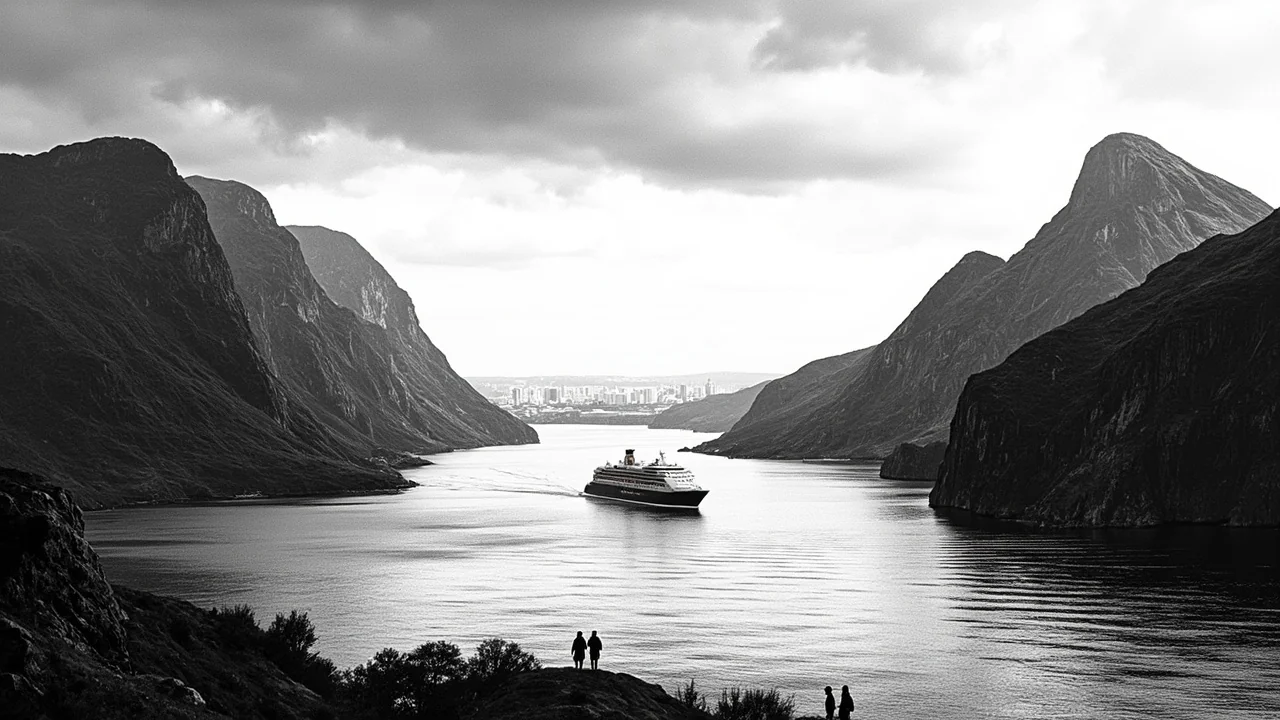
Major cruise operators are expanding their presence in Norway's iconic fjords. This trend promises economic benefits but also intensifies a long-running debate over sustainability and local impact. The Norwegian government faces pressure to balance tourism revenue with environmental protection in these sensitive Arctic and sub-Arctic regions.
Holland America Line recently announced new itineraries focusing on Northern Europe's fjords. The routes will include Norway's famous Geirangerfjord and Sognefjord. These are UNESCO World Heritage sites known for their dramatic cliffs and pristine waters. The cruise season typically runs from May through September.
Company president Gus Antorcha said the itineraries offer luxurious and sustainable travel. He emphasized the natural wonders of Norway in a recent statement. Travel analysts note that cruising provides a unique perspective on the region's landscape. They also point to the convenience of seeing multiple fjords from a single vessel.
This expansion matters deeply for Norway. The cruise industry brings substantial revenue to coastal communities. Ports like Bergen, Ålesund, and Geiranger see thousands of visitors each season. Local businesses from souvenir shops to tour operators depend on this traffic.
Yet the environmental questions are serious and persistent. Large cruise ships emit pollutants and create underwater noise. They can disturb marine life in the narrow fjords. The visual impact of massive vessels in serene natural settings also draws criticism from residents and environmental groups.
The Storting, Norway's parliament, has debated stricter regulations for years. Some proposals include banning certain fuels in the fjords. Others suggest limiting the number or size of ships. These discussions often pit economic interests against green political goals.
Norway's commitment to the Paris Agreement and its own climate targets adds another layer. The country is a major oil and gas producer, yet it champions environmental causes internationally. This creates a visible contradiction when large, fossil-fuel-powered ships navigate its protected fjords.
From a policy perspective, the cruise trend tests Norway's Arctic policy framework. The government aims to develop the High North sustainably. Increased maritime traffic in northern fjords like those near Tromsø requires careful management. It involves coordination between the Norwegian Coastal Administration, the Ministry of Climate and Environment, and local municipalities.
What happens next? The industry will likely continue to grow as global travel recovers. The Norwegian Maritime Authority will need to enforce existing and new environmental rules. Local governments must invest in port infrastructure to handle waste and provide shore power. This reduces emissions when ships are docked.
The real test is whether tourism growth can be decoupled from environmental harm. Norway has the technology and regulatory power to set a global standard for green cruising. The political will to impose stricter rules on a lucrative industry remains the central question. The coming seasons will show if Norway chooses to be a passive destination or an active regulator of its most famous natural assets.