
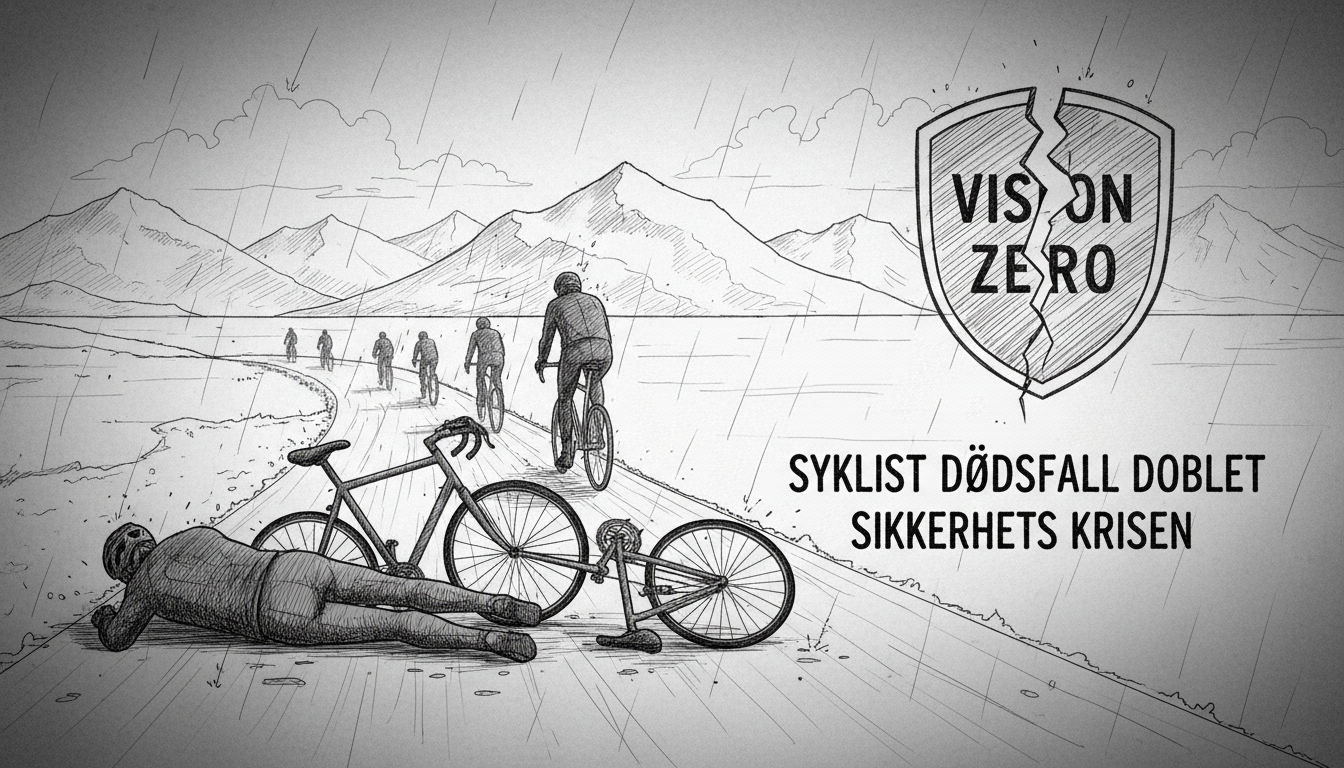
Preliminary figures from the Norwegian Public Roads Administration reveal a sharp increase in cyclist fatalities. The number of cyclists killed in traffic has doubled compared to the same period last year. This trend clashes directly with national goals for increased cycling and a vision of zero road deaths.
Guro Ranes, the agency's director for traffic safety, addressed the concerning statistics. She said the government wants more people to cycle while also working toward zero growth in serious injuries and the ultimate vision of zero deaths. Ranes emphasized the vulnerability of cyclists in traffic. She urged both drivers and cyclists to show extra caution, especially during the current dark season.
So far this year, 102 people have lost their lives on Norwegian roads. This marks an increase of 19 compared to the same date last year. Ten of those fatalities were cyclists. That figure is double the number recorded by December 1 of the previous year.
The situation appears particularly acute in the capital. Seven people have died on Oslo's roads so far this year, the highest number in 13 years. Five of those seven accidents in Oslo involved vulnerable road users. This group includes pedestrians, cyclists, and users of electric scooters.
Ranes stated this data shows a need for extra attention on this group. She said authorities must create even better conditions so everyone can cycle and walk safely in cities. Oslo's City Councilor for Environment and Transport, Marit Kristine Vea of the Green Party (MDG), expressed deep concern. She said the high number of cyclist deaths this year is deeply worrying. It shows how important it is for all road users to show consideration for each other. Vea pledged to maintain the pace of building out good and safe infrastructure for cyclists and pedestrians in Oslo.
This safety crisis presents a clear policy contradiction. The Norwegian government and municipalities like Oslo actively promote cycling to reduce emissions and congestion. They invest in bike lanes and urban planning that favors active transport. Yet, these preliminary figures suggest the infrastructure or cultural shift is not keeping pace with the policy ambition. The spike in deaths, especially in Oslo, will likely intensify debates over urban space. It raises questions about the balance between car traffic and dedicated, protected cycling corridors.
Norway's 'Vision Zero' policy, aiming for no road deaths or serious injuries, is a cornerstone of its transport planning. The current data represents a significant setback for that vision. It places immediate pressure on the Roads Administration and municipal governments. They must analyze whether the deaths are concentrated in specific areas, like busy commuter routes into major cities or on certain highway stretches. The coming months will see increased scrutiny on planned infrastructure projects. Safety advocates will demand faster implementation of separated bike paths, lower speed limits in urban areas, and improved lighting on key routes.
For international observers, this is a stark reminder that the Nordic model is not immune to policy implementation gaps. Norway is often seen as a leader in sustainable urban planning and road safety. This incident shows that even well-funded systems face challenges when translating high-level goals into safe outcomes on the ground. The response from Oslo and national authorities in the next quarter will be closely watched as a test of their commitment to sustainable and safe mobility.