
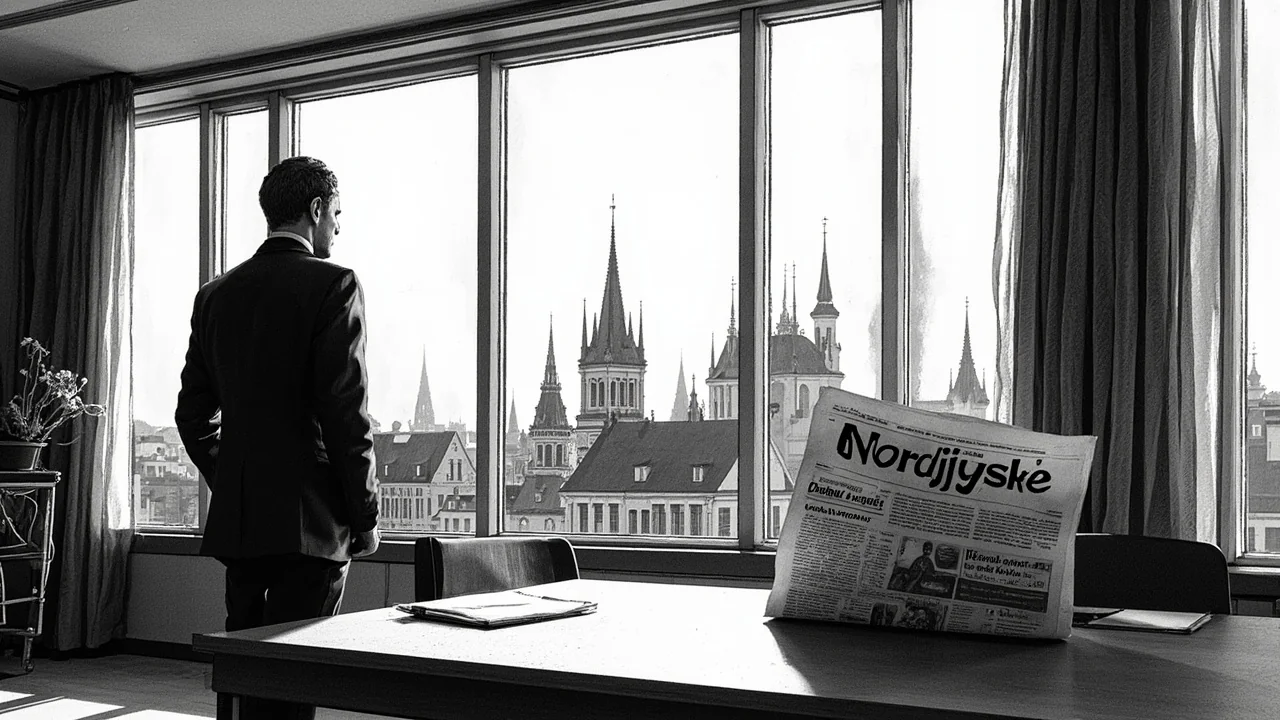
Denmark's media watchdog has delivered a sharp rebuke to regional newspaper Nordjyske for publishing the name of a tax fraud suspect despite explicit requests for anonymization. The February 2026 ruling by Pressenævnet reveals how Danish media outlets are struggling to balance public interest reporting with privacy protections in high-profile financial crime cases. Source: Pressenævnet.
The case centers on Nordjyske's coverage of police raids targeting a North Jutland property developer suspected of VAT and tax evasion. When the newspaper published the suspect's name in February 2025, it ignored both a pre-publication request for anonymization and a subsequent court-ordered name ban (navneforbud). Even after the legal prohibition was in place, Nordjyske refused to update its article or remove identifying information.
Coordinated coverage raises questions
What makes this case particularly striking is that EjendomsWatch received identical criticism from Pressenævnet for the same violations involving the same suspect. Both outlets published the developer's name and refused anonymization requests, suggesting either coordinated editorial decisions or a broader industry misunderstanding of Danish privacy law.
This parallel enforcement action signals that Pressenævnet is taking a harder line on media compliance with navneforbud orders. The timing is notable: Denmark has been grappling with several high-profile tax evasion cases involving property developers, making media coverage particularly sensitive.
The property sector has faced increased scrutiny since the 2019 tax reform tightened rules on real estate transactions. When police conduct raids in these cases, media outlets face pressure to name suspects to satisfy public interest, but Danish law provides strong protections for individuals who haven't been formally charged.
Press freedom meets privacy rights
Nordjyske's defiance of the anonymization request reflects a broader tension in Danish journalism between transparency and privacy. Unlike Sweden or Norway, Denmark's navneforbud system allows suspects to request name suppression even before formal charges are filed. Media outlets can challenge these requests, but they cannot simply ignore them.
The Pressenævnet ruling criticized Nordjyske not just for the initial publication, but for refusing to anonymize the article after the navneforbud was formally imposed. This suggests the newspaper believed its editorial judgment should override legal privacy protections.
What comes next
The case exposes a gap in how Danish media outlets handle financial crime reporting. Property development fraud often involves complex corporate structures and multiple suspects, making it tempting for journalists to name individuals to help readers follow the story. But Danish privacy law doesn't make exceptions for complexity or public interest.
Expect Pressenævnet to issue clearer guidelines on navneforbud compliance by summer 2026, particularly for financial crime cases where multiple media outlets are covering the same suspects.
Read more: Danish Opposition Demands Ombudsman Review Property Tax Pena....
Read more: Danish Care Home Had Three Directors for Four Children.