
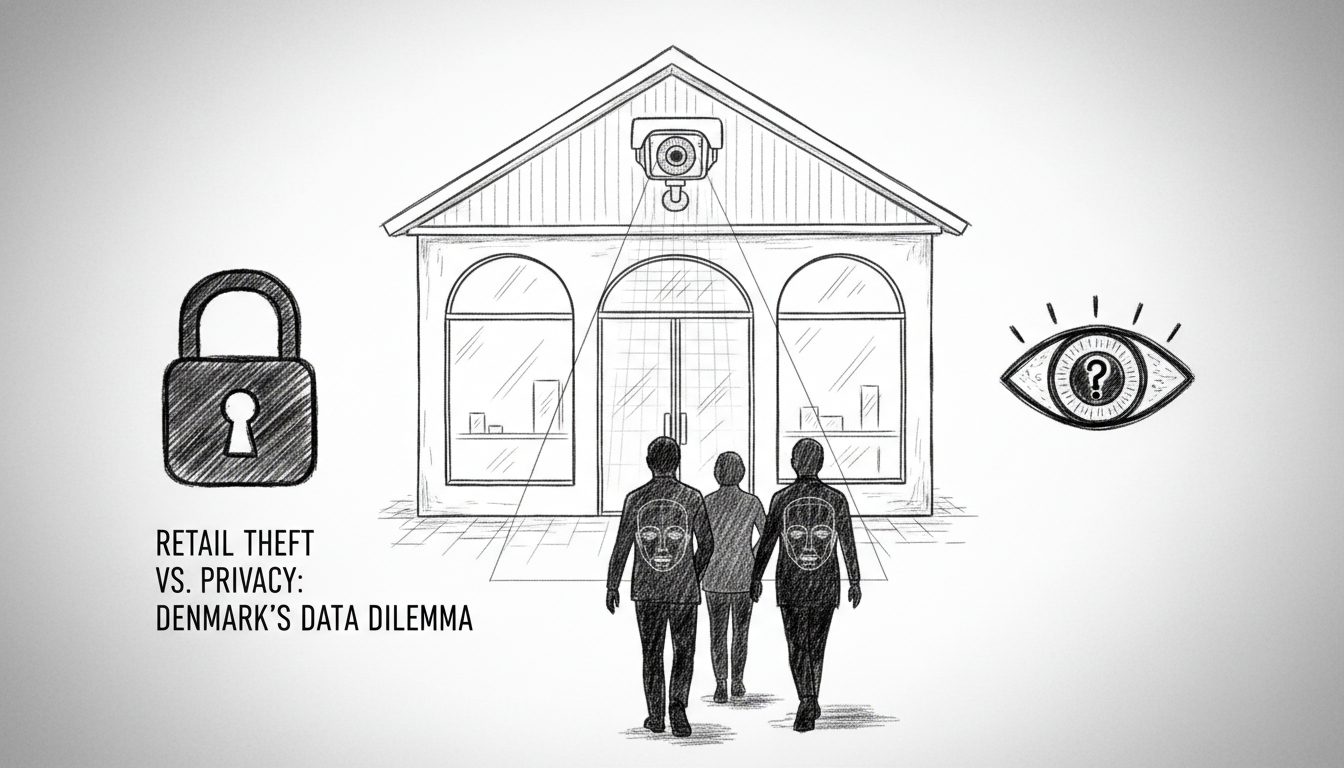
Danish retailers want to install facial recognition cameras in stores. The technology would identify repeat shoplifters as they enter. But privacy advocates warn this approach affects all customers.
The Danish Chamber of Commerce proposed the measure. They suggest using cameras with facial recognition software. The system would alert staff when known thieves enter stores.
Privacy experts raise immediate concerns. They say scanning every customer's face violates personal rights. Law-abiding shoppers become surveillance targets too.
Denmark maintains strict data protection laws similar to EU standards. The country balances security needs with individual privacy rights. This proposal tests that balance.
Store owners face increasing theft problems. They seek effective tools to protect their businesses. Yet critics argue mass surveillance is not the answer.
One privacy advocate called the plan disproportionate. "We cannot treat all customers as potential criminals," they stated in an interview.
The debate reflects a global tension between security and privacy. Other countries have faced similar dilemmas with facial recognition technology.
Retail groups argue they need modern solutions for persistent theft. They claim traditional methods no longer suffice against organized shoplifting rings.
Civil liberties organizations plan to challenge the proposal. They cite potential violations of Denmark's data protection regulations.
The outcome could set important precedents for retail surveillance across Scandinavia. Other Nordic countries watch Denmark's decision closely.
This situation shows how technology often outpaces regulation. Society must decide where to draw the line between security and personal freedom.