
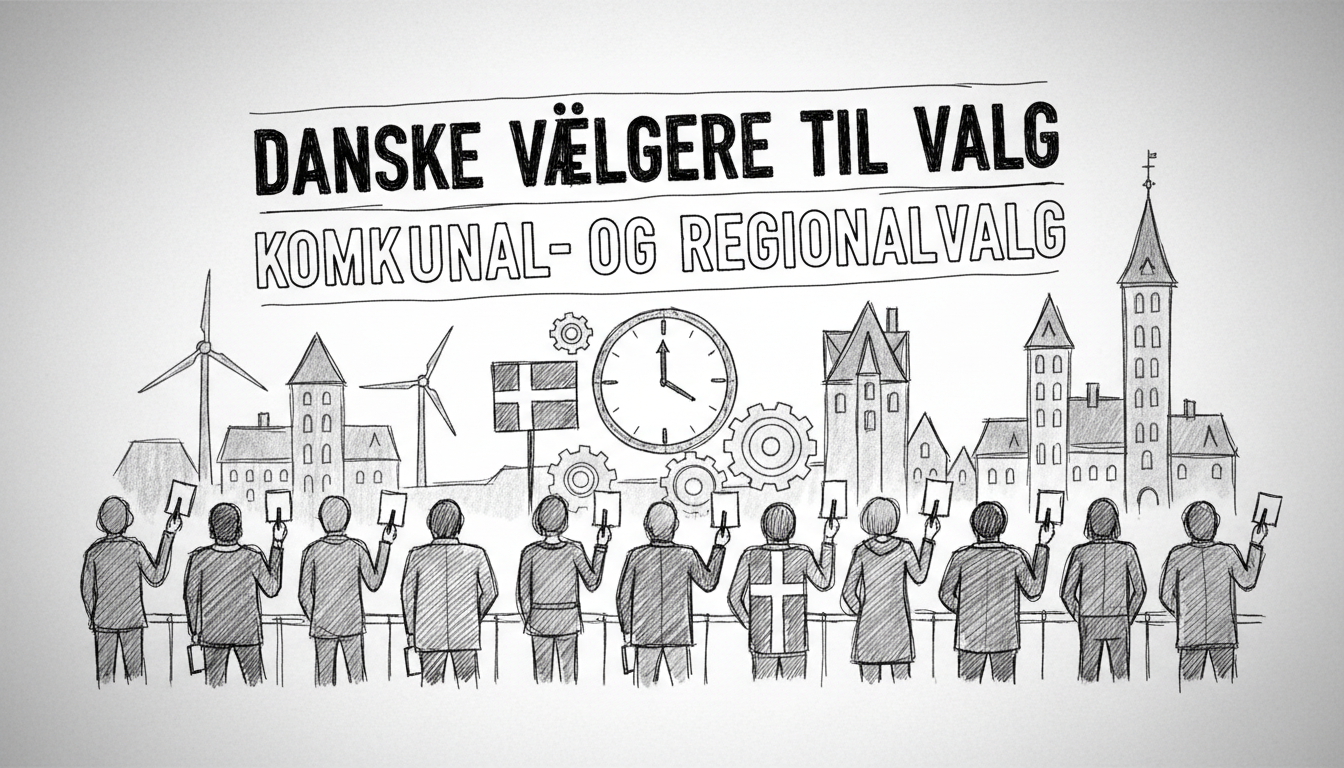
Danish citizens are casting their votes today in nationwide municipal and regional elections. These elections determine local political leadership across Denmark's 98 municipalities and five regions. Voters will select council members who make crucial decisions about local schools, elderly care, and infrastructure projects.
Local elections in Denmark occur every four years, with the last vote taking place in 2021. Today's election results will shape Danish communities for the coming term. The elections feature thousands of candidates representing multiple political parties.
Why do these local elections matter for international observers? Denmark's municipal governments control approximately 70% of all public spending. They manage essential services that affect daily life, from childcare to road maintenance. Regional councils oversee hospitals and public transportation systems.
Danish local elections typically see high voter turnout compared to other European countries. In the previous municipal elections, approximately 71% of eligible voters participated. This reflects strong civic engagement in Danish society.
International residents living in Denmark also have voting rights in municipal and regional elections. EU citizens can vote after six months of residence, while non-EU citizens gain voting rights after four years in the country. This inclusive approach sets Denmark apart from many other nations.
The election results will reveal shifting political trends across Denmark. Local elections often serve as midterm referendums on national government performance. Strong showings by opposition parties could signal challenges for the governing coalition in Copenhagen.
Counting begins immediately after polls close at 8 PM local time. Preliminary results typically emerge within hours, with final results confirmed by Wednesday morning. The new municipal and regional councils will take office on January 1st.
These elections represent Denmark's unique blend of local autonomy and national coordination. Municipalities enjoy substantial independence while implementing national policies. This balance has been a hallmark of Danish governance for decades.
Today's vote occurs amid ongoing debates about healthcare funding and climate adaptation. Many candidates have campaigned on environmental issues, reflecting growing public concern about climate change. The elected councils will face immediate pressure to deliver on these promises.
The election process demonstrates Denmark's robust democratic traditions. The country consistently ranks among the world's least corrupt nations. This electoral exercise reinforces Denmark's reputation for transparent governance and political stability.