
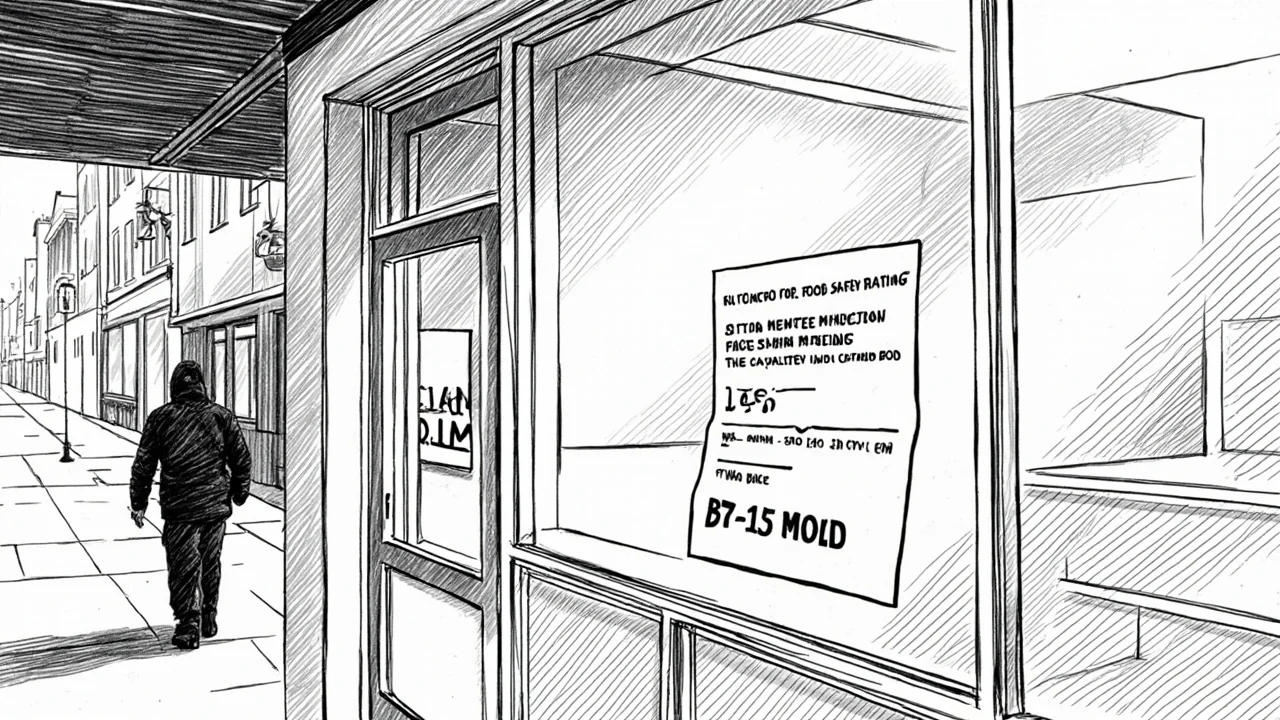
A Copenhagen 7-Eleven's mold violations demonstrate why Denmark's mandatory public food safety ratings create business consequences that dwarf regulatory fines. The Østerbrogade store received 10,000 kroner and a "sur smiley" (sad face) rating after inspectors found green mold on cooling equipment and thick dust in ventilation systems. Source: Danish Veterinary and Food Administration - Smiley Scheme.
Nordic transparency models diverge on public shaming
Denmark forces businesses to display inspection results in store windows through the "Smiley-ordningen" system. Swedish Livsmedelsverket publishes reports online but doesn't require storefront display. Norway's Mattilsynet uses internal compliance tracking. Finland's Ruokavirasto emphasizes industry guidance over public ratings.
The Danish approach creates immediate market punishment. A 2026 Copenhagen Business School study found "sur smiley" ratings reduce foot traffic by 23% within one month. For the Østerbrogade 7-Eleven, lost revenue from customer avoidance will exceed the fine within weeks.
Jesper Østergaard, managing director of 7-Eleven Denmark, called the violations "very serious" and implemented enhanced cleaning protocols. The company operates 180+ locations across Copenhagen, Aarhus, Aalborg, and Odense under franchise agreements that place compliance responsibility on individual operators.
Convenience sector faces systematic oversight gaps
The mold discovery reveals broader franchise monitoring problems. Inspectors found the store couldn't document proper cooling of chicken tenders since December, despite claiming daily procedures. Green substances appeared on multiple refrigeration units, suggesting weeks of neglect.
Danish convenience stores operate extended hours with minimal staff, creating maintenance blind spots. Winter heating systems compound the problem by generating condensation in refrigerated areas. Fødevarestyrelsen conducts 45,000 annual inspections, but franchise chains vary widely in their own audit frequency.
Some operators conduct monthly compliance checks, others rely solely on annual regulatory visits. The Østerbrogade case exposes how this inconsistency allows obvious hygiene failures to develop undetected at high-traffic locations.
Regulatory pressure builds on franchise oversight
Denmark's transparency system is forcing franchise operators to reconsider their monitoring approaches. Unlike neighboring Nordic countries where violations remain largely internal, Danish businesses face immediate public consequences that can damage entire brand networks.
Fødevarestyrelsen is reviewing whether to require franchise chains to implement mandatory monthly audits for ready-to-eat food operations. The agency's 2027 compliance strategy, due for release in June, will likely include stricter oversight requirements for multi-location operators.
Expect Denmark's convenience store chains to announce enhanced monitoring protocols before summer tourist season begins. The alternative is more "sur smiley" ratings that cost far more than regulatory fines.
Read more: Danish Family Billed 8000 Kroner for Dead Child's Transport.
Read more: Denmark's Climate Council Warns 2030 Target Slipping Away.