
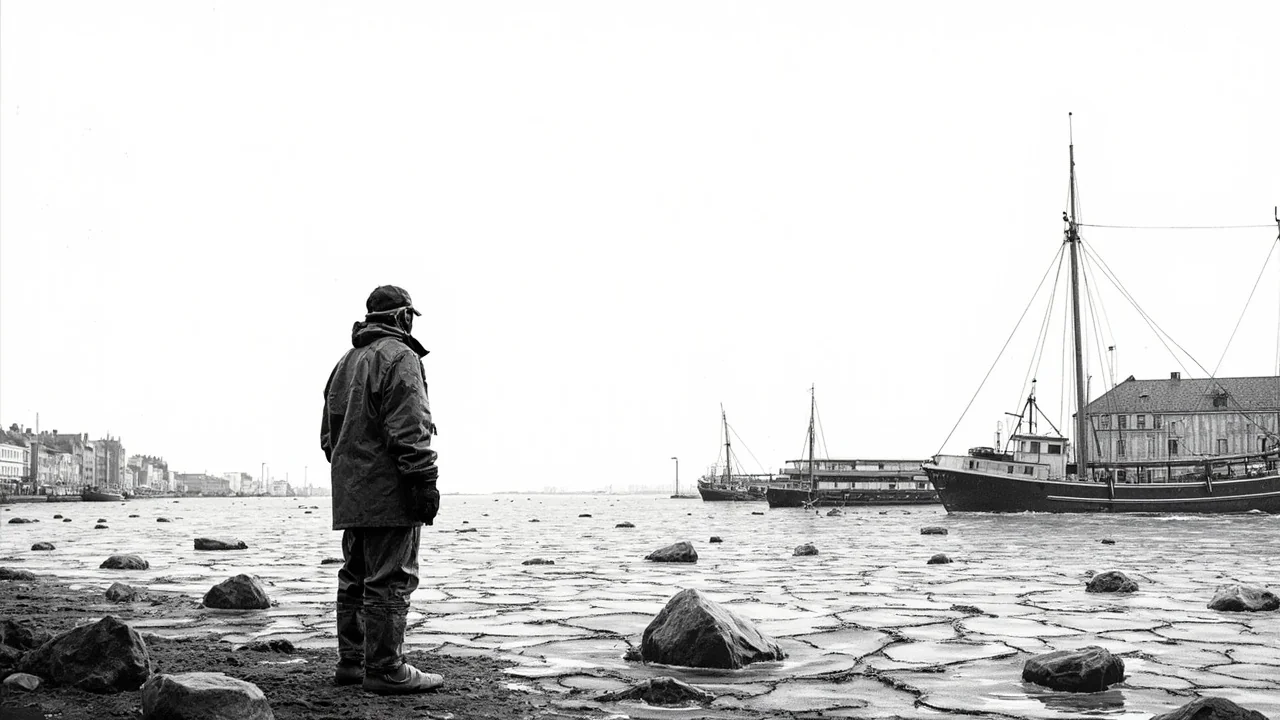
Denmark's Baltic Sea has recorded its lowest water level in 102 years, affecting several harbors across the country. This unprecedented drop is causing operational challenges and community concerns in coastal areas. Harbor officials are noting significant impacts on daily activities and local economies.
A Harbor Master's Direct Appeal
From the island of Rømø on Jutland's west coast, harbor chief Ulla Kiersgaard voiced the immediate struggle. "We really lack a lot of water. So if you have any, you may send it in our direction," she said. Her words highlight the acute shortage faced by Danish maritime operations. The low water levels are disrupting docking and navigation for vessels. This situation is mirrored in other Danish harbors connected to the Baltic Sea.
The Baltic Sea's Unusual Condition
The Baltic Sea, a vital body of water for Denmark, is experiencing this severe low. Experts point to natural cycles, but the 102-year record is striking. The sea may see relief with incoming saltwater when wind patterns shift. However, the current deficit poses risks for marine ecosystems and shipping lanes. Danish authorities monitor these changes closely due to their broad implications.
Impact on Local Communities
Coastal communities rely on harbors for livelihoods, from fishing to tourism. The low water level threatens these economic pillars. In areas like Rømø, reduced harbor activity can affect local jobs and services. Danish municipalities often support such communities through social centers and welfare programs. Environmental shifts like this test the resilience of Denmark's integrated social policies.
Societal and Policy Responses
Danish society news frequently covers how environmental issues intersect with social policy. The low water level in the Baltic Sea is no exception. It raises questions about infrastructure adaptation and community support. Local leaders may need to address potential disruptions in education and employment for residents. Denmark's welfare system could see increased demand if economic impacts worsen.
Broader Environmental Context
While not directly linked to immigration policy, such environmental challenges affect all residents, including integrated communities. Copenhagen integration efforts often consider how shared resources like water impact urban and rural areas. The Baltic Sea's condition serves as a reminder of climate-related pressures on Danish society. It underscores the need for cohesive environmental and social planning.
Looking to the Wind for Change
The source material notes that the Baltic Sea may be filled with fresh saltwater when the wind turns. This natural process could alleviate the low water levels over time. Harbor officials like Ulla Kiersgaard await this change with hope. Yet, the 102-year record suggests that such events may become more frequent. Danish society must prepare for ongoing environmental uncertainties.
Connections to Danish Welfare
Denmark's welfare system is designed to support citizens during crises, including environmental ones. The low water level in harbors could strain local resources and require municipal intervention. Social policies may need to adapt to protect vulnerable populations in affected areas. This situation highlights the interplay between natural events and social safety nets in Denmark.
Maritime Operations at Risk
Shipping and maritime trade are crucial for Denmark's economy. The low water level in the Baltic Sea impedes vessel movements, potentially delaying goods and increasing costs. Harbor authorities are adjusting schedules and operations to cope. This has ripple effects on supply chains and local businesses. Danish society news often reports on such economic interdependencies.
Community Resilience and Adaptation
Residents in harbors like Rømø demonstrate resilience in facing this challenge. Community leaders work with Danish municipalities to find short-term solutions. Social centers might offer support for those impacted by reduced maritime activity. This event tests the integration of environmental awareness into daily life and policy-making.
Future Outlook and Preparedness
The record low water level calls for enhanced monitoring and preparedness in Denmark. As wind patterns may bring relief, long-term strategies are essential. Danish society must balance immediate responses with sustainable planning. This includes considering how immigration policy and integration efforts account for environmental factors. The Baltic Sea's health remains a barometer for broader societal well-being.
A Personal Perspective
As a reporter focused on Danish society, I see how such environmental events weave into the fabric of daily life. They affect everyone, from harbor workers to new residents in Copenhagen. The response to this 102-year low will reveal much about Denmark's adaptive capacity. It underscores the importance of inclusive policies that address both social and environmental needs.
Conclusion: A Watershed Moment
The Baltic Sea's historically low water level is a watershed moment for Denmark. It challenges harbors, communities, and policymakers to think holistically. As we await the wind's turn, one question lingers: How will Danish society leverage its strengths to navigate such uncertainties together?