
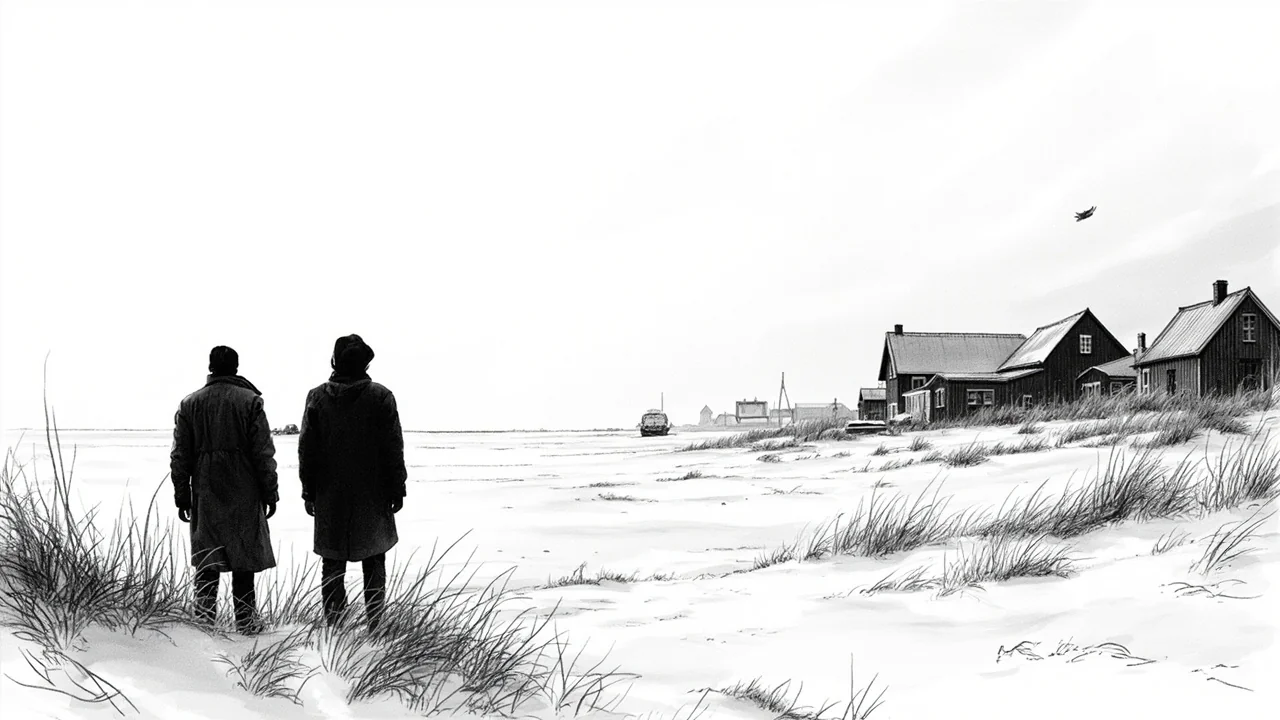
Denmark's small island communities are enduring a winter of profound logistical disruption due to a rare and persistent combination of severe weather. A relentless easterly wind, sustained at speeds of ten meters per second for weeks, alongside heavy frost and snow, has tested the preparedness and spirit of residents on islands like Livø and Tunø in the Kattegat. For newcomers like Tami Vibberstoft Pinkalski and her husband Thomas, who took over the local shop on Tunø last spring, this first winter has been a harsh introduction to island life, exceeding all expectations for isolation and cancellations.
A Harsh Introduction to Island Life
Tami Vibberstoft Pinkalski articulated the shared sentiment of many islanders. "We had expected cancellations, and that you could become a bit isolated over here, but we had not reckoned with having ten meters per second from the east for several weeks in a row," she said. While residents are typically prepared for the challenges of winter, the duration and intensity of this year's conditions have been exceptional. The weather pattern has effectively severed the critical lifelines of ferry services, which are the primary connection to the mainland for goods, services, and people. This has created a unique set of logistical puzzles, from ensuring sufficient supplies for the local shop to managing healthcare needs and simple social contact.
The Mechanics of Isolation
The core issue lies in the wind direction. A strong and persistent easterly wind directly batters the harbors and landing areas on these islands, making maritime travel exceedingly dangerous and often impossible. Ferry operators, who are adept at handling rough North Sea and Kattegat conditions, have been forced into extended periods of cancellation. This goes beyond a simple day's disruption, it creates a cascading effect. Deliveries are postponed, waste collection is halted, and planned visits from tradespeople or family are indefinitely delayed. The isolation becomes a tangible reality, measured not just in days but in the depletion of fresh produce on shelves and the quiet that settles over the harbors.
Resilience in Remote Communities
Despite the challenges, a resilient community spirit is evident. Long-time islanders draw on generations of experience dealing with the whims of the sea and weather. There is a shared understanding and a collective patience that newcomers quickly learn to adopt. The focus shifts inward, relying on local resources and neighborly support. The experience of the Pinkalski family running the købmand, or grocer, is central. Their shop becomes more than a business, it transforms into a vital community hub and barometer for morale. Keeping shelves stocked becomes a logistical triumph, and maintaining a positive attitude is a public service. As long as there is a belief that the wind will turn soon, humor and determination remain high.
Broader Implications for Danish Society
This situation on Livø and Tunø highlights a broader, often overlooked, aspect of Danish society news: the reality of life in geographically marginalized communities within a modern welfare state. Denmark's social policy and welfare system are designed for accessibility, yet extreme weather exposes the vulnerabilities in infrastructure connecting the periphery to the center. It raises quiet questions about long-term resilience, the investment in alternative transport solutions, and how integration into the national fabric is maintained when physical connections are so fragile. The municipalities responsible for these islands must balance practical support with the need to empower local self-sufficiency.
The Human Dimension of Policy
The story of this hard winter is ultimately a human one, set against a backdrop of natural forces and policy frameworks. It provides a stark case study in how environmental factors directly impact social cohesion and daily survival. There are no simple statistics to capture the feeling of watching the horizon for a ferry that does not come, or the community effort to clear a landing strip for a potential helicopter. It is a reminder that for all Denmark's advanced social systems, fundamental challenges remain dictated by geography and climate. The islanders' experience is a testament to adaptability, forcing a conversation about what sustainable living truly means for all of Denmark's communities, not just those in Copenhagen or other urban centers.
Looking Beyond the Wind
The current trial will end when the wind finally shifts. The ferries will resume, supplies will be replenished, and normal rhythms will return. However, the memory of this prolonged isolation will linger. For families like the Pinkalskis, it is a formative chapter in their island life. For local and regional planners, it serves as a real-time stress test of emergency protocols and community support networks. The enduring question is how these experiences inform future planning for Denmark's remote populations. Will they lead to greater investment in infrastructure, or simply reinforce the stoic self-reliance that defines these unique corners of Danish society? The answer, much like the weather, remains on the horizon.